ASUS ROG GA503QM-HQ019T RAM upgrade specifications
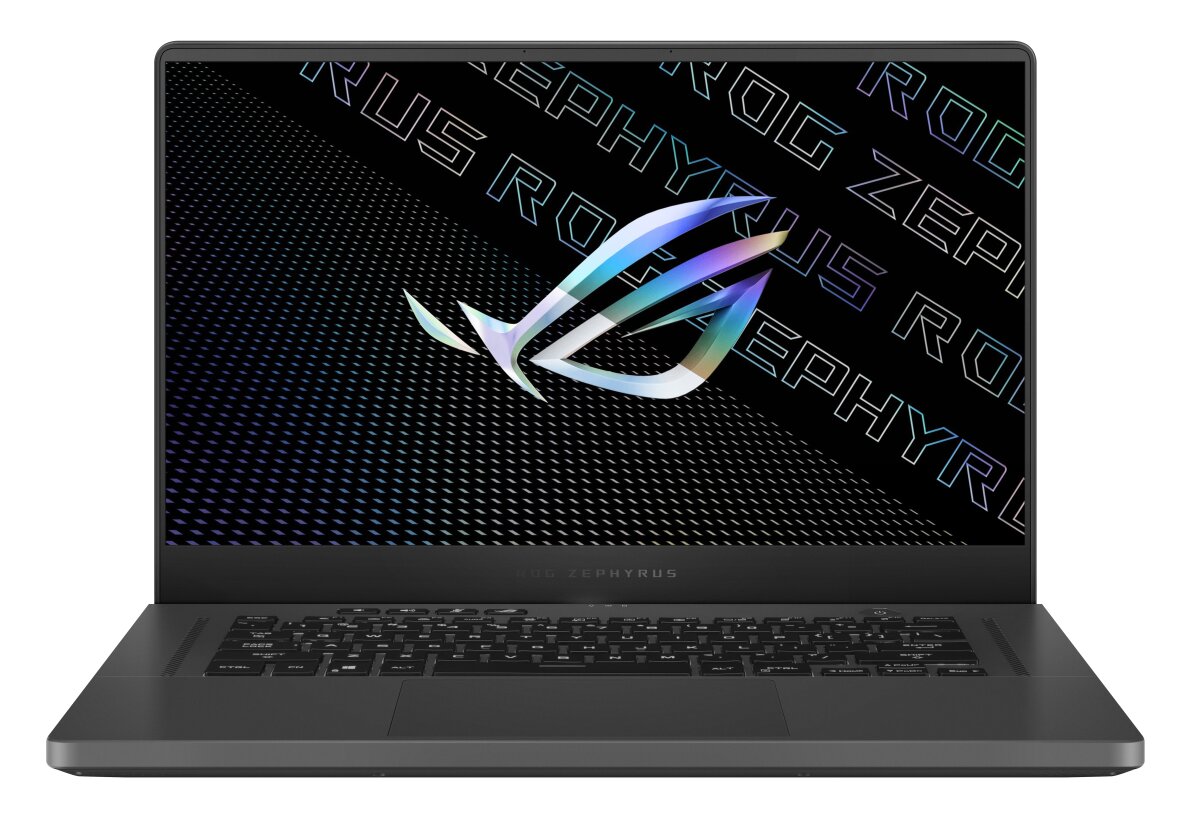
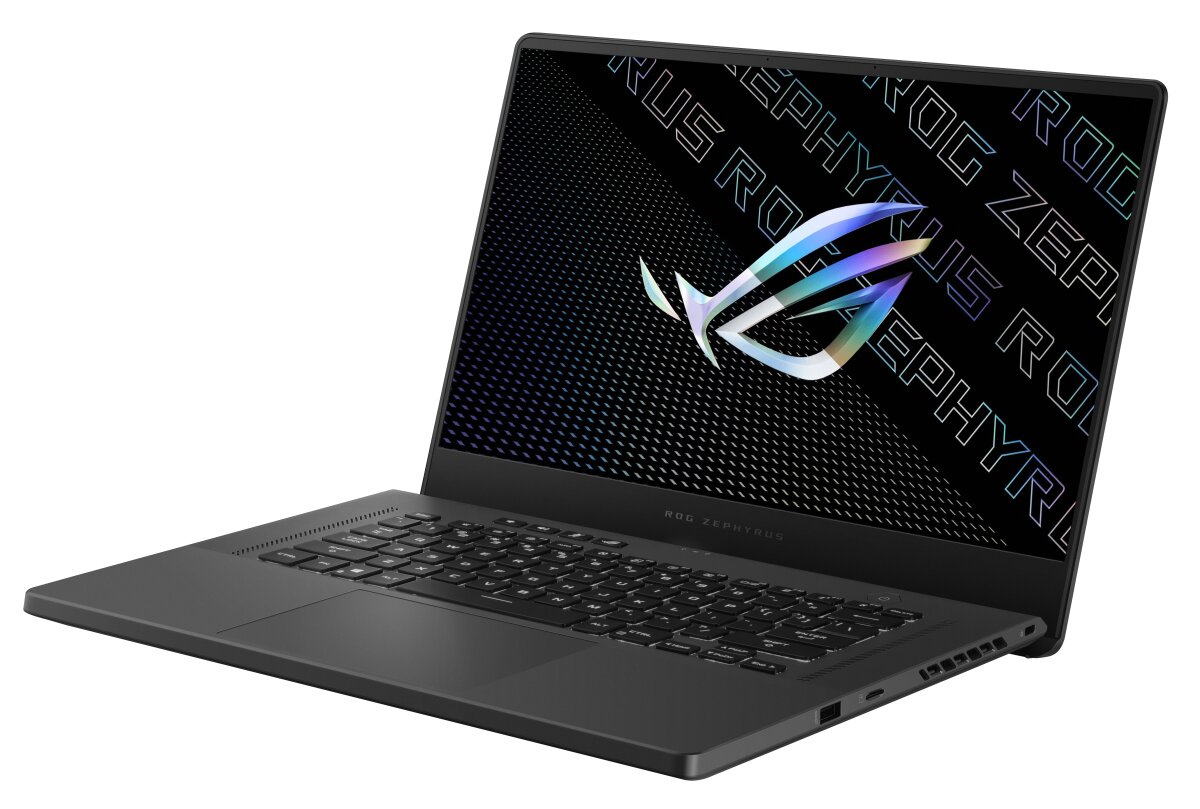
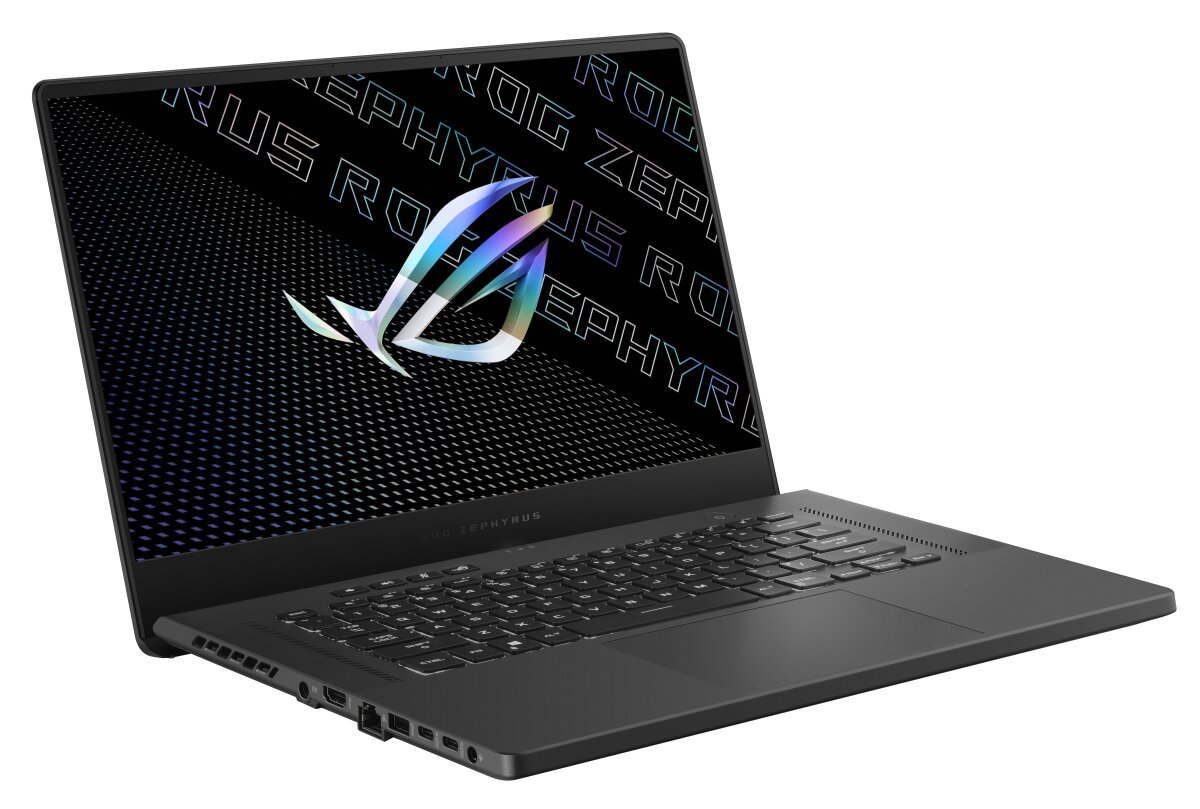
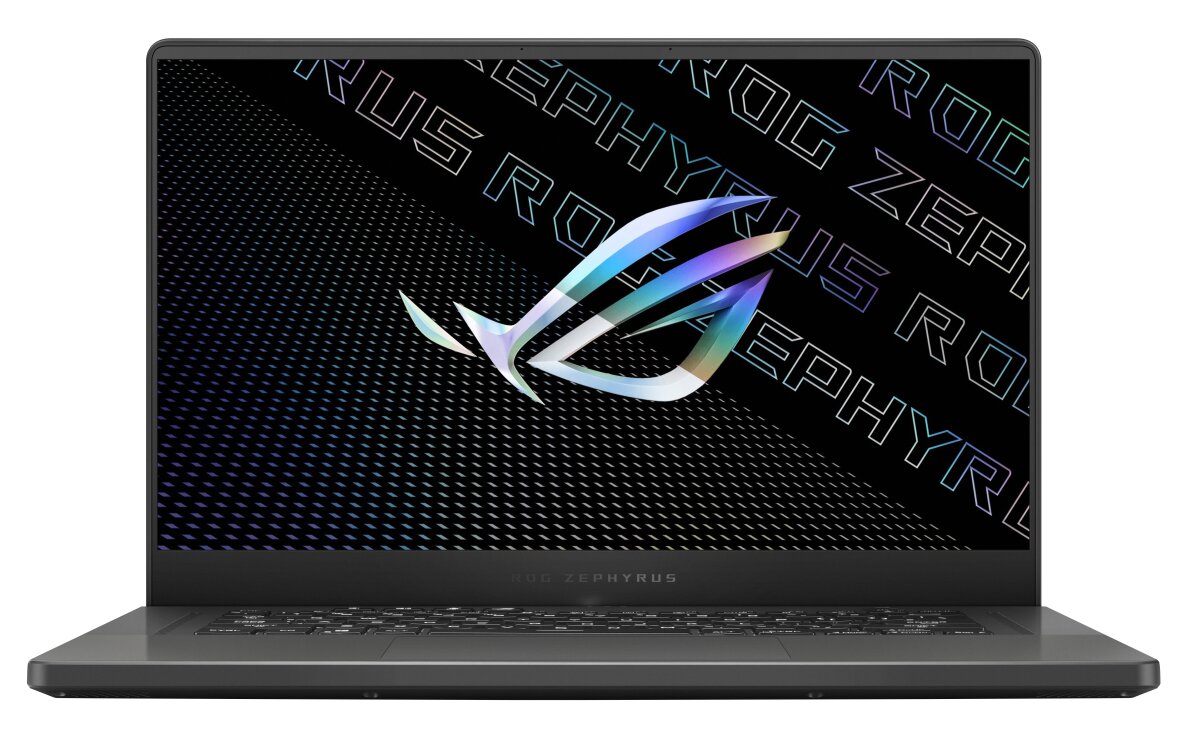
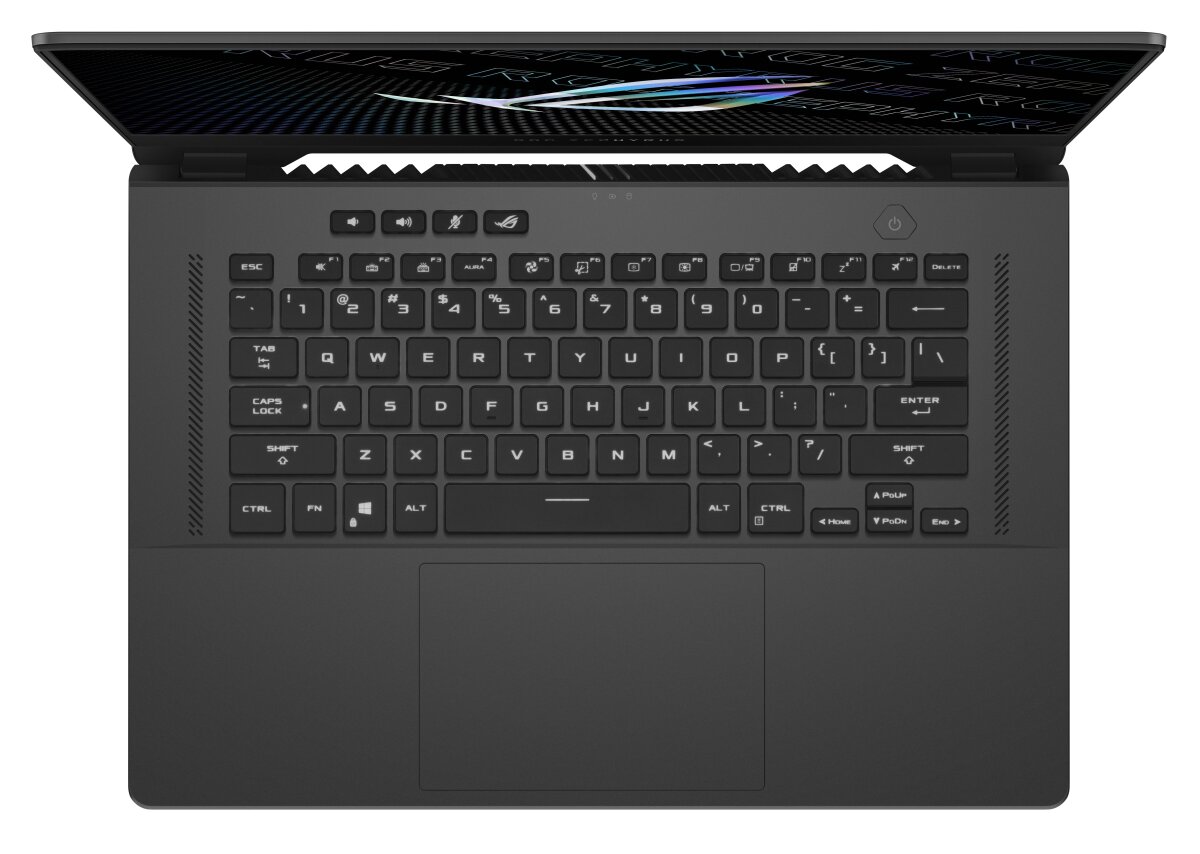
ASUS ROG Zephyrus G15 model GA503QM-HQ019T supports DDR4-SDRAM memory upgrades. The laptop features one SO-DIMM slot for RAM expansion, with maximum memory capacity of 48 GB. Memory specifications include 3200 MHz frequency operation. Compatible RAM upgrades must match DDR4 specifications for proper functioning. The system utilizes on-board memory combined with the expandable SO-DIMM slot configuration. Users seeking memory upgrades should verify DDR4-3200 compatibility with the GA503QM-HQ019T model specifications.
Memory Upgrade Specifications
| Specification | Value |
|---|---|
| Memory slots | 1x SO-DIMM |
| Form factor | On-board + SO-DIMM |
| Memory type | DDR4-SDRAM |
| Frequency | 3200 MHz |
| Maximum RAM | 48 GB |
| Voltage | 1.2V |
| Number of pins | 260-pin |
| Interface | PC4 |
| PC Speed Rating | PC4-3200 (PC4-25600) |
| Bandwidth | 25.6 GB/s |
| Laptop Release date | 13 November 2021 |
Additional Notes
- The presence of a single SO-DIMM slot alongside 8 GB or 16 GB of soldered memory creates an asymmetrical dual channel configuration when utilizing modules larger than the factory on board capacity.
- Upgrading the **ASUS ROG GA503QM-HQ019T** to the 48 GB maximum requires a 32 GB module, which results in the first 16 GB or 32 GB of total system RAM running in dual channel mode while the remaining capacity operates in single channel.
- The soldered memory component dictates the lowest common latency timings for the entire system, preventing the use of high performance XMP profiles even if the secondary module supports them.
- Physical access to the expansion slot requires the removal of the entire bottom chassis panel, which may involve hidden screws under rubber feet affecting ease of maintenance.
- Memory bandwidth is capped at 3200 MHz JEDEC standards, meaning modules with higher rated speeds will downclock automatically to match the fixed motherboard controller frequency.
- Integrated graphics performance relies heavily on the soldered memory speed, so any mismatch in module density can lead to slight frame rate fluctuations in memory intensive applications.
- Technical failure of the on board memory chips necessitates a full motherboard replacement since those components cannot be swapped or bypassed via the SO-DIMM slot.