ASUS ROG GA503QM-HQ043T RAM upgrade specifications
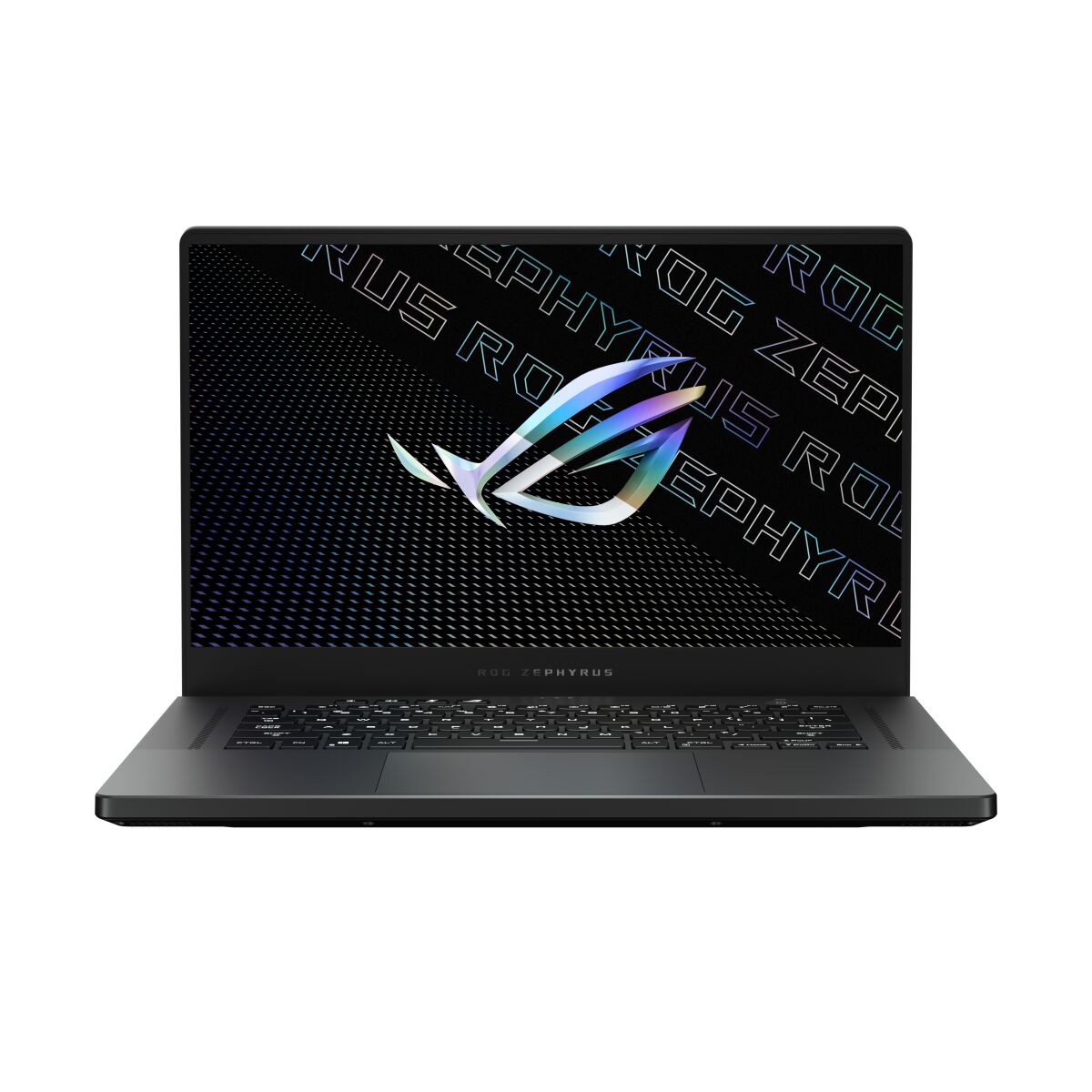
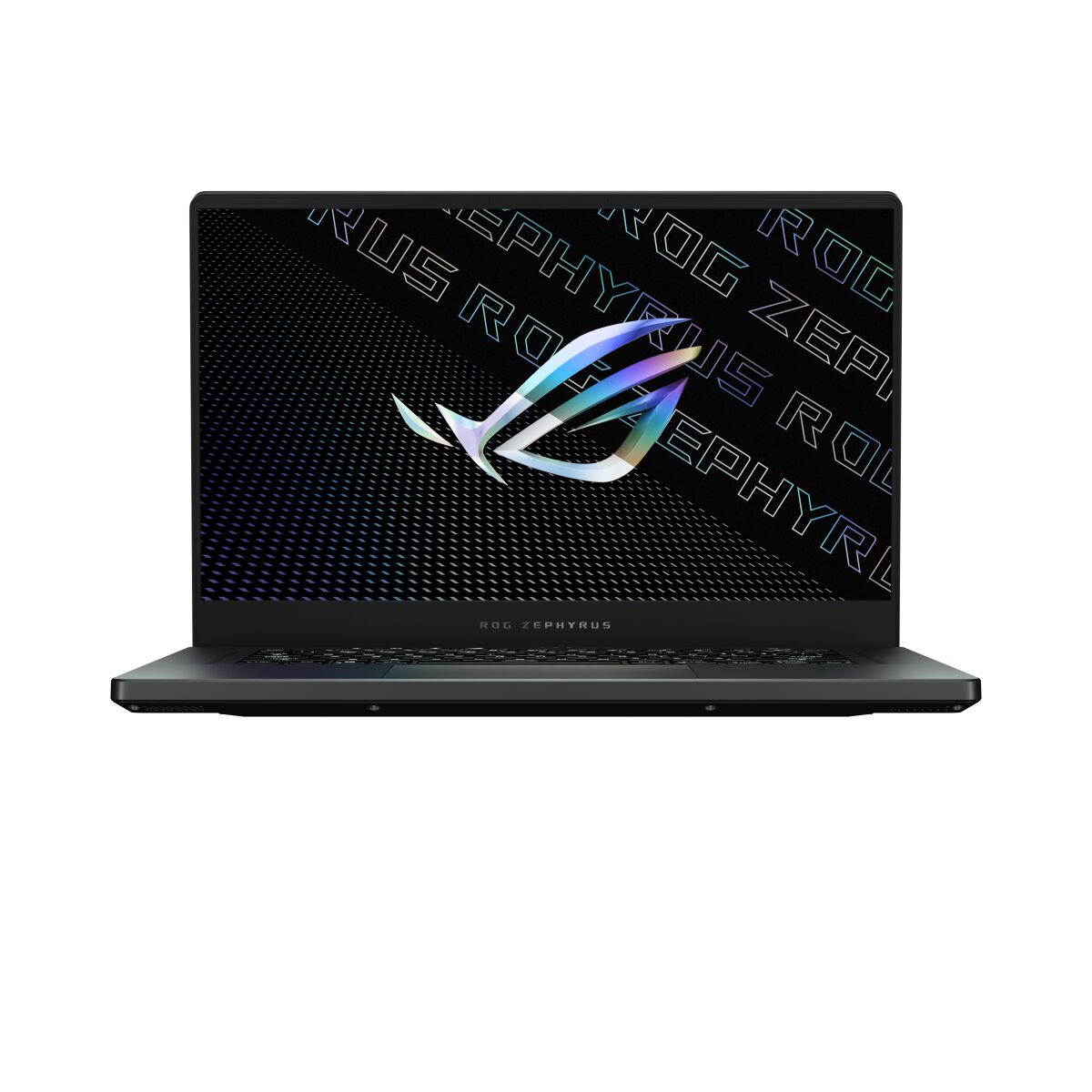
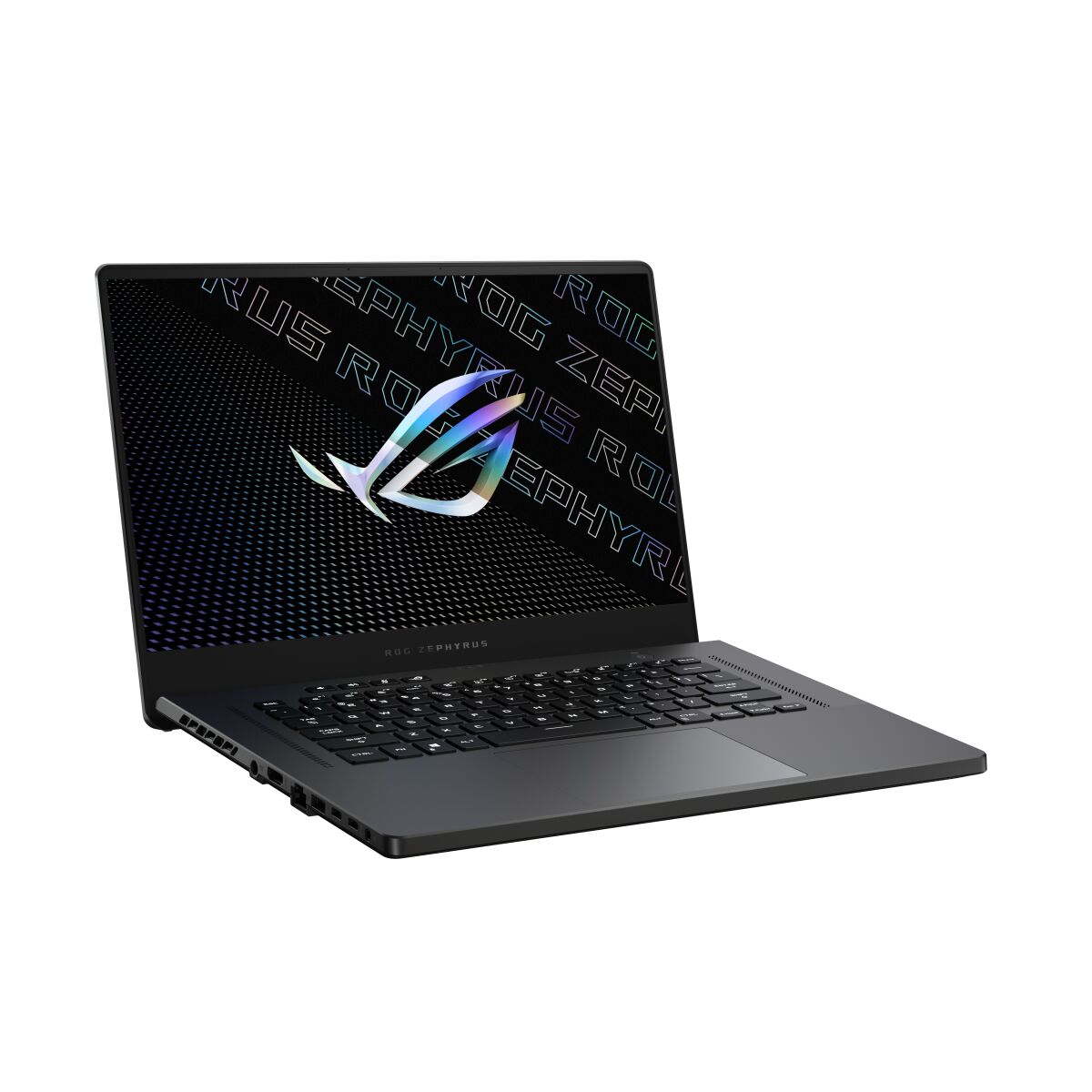
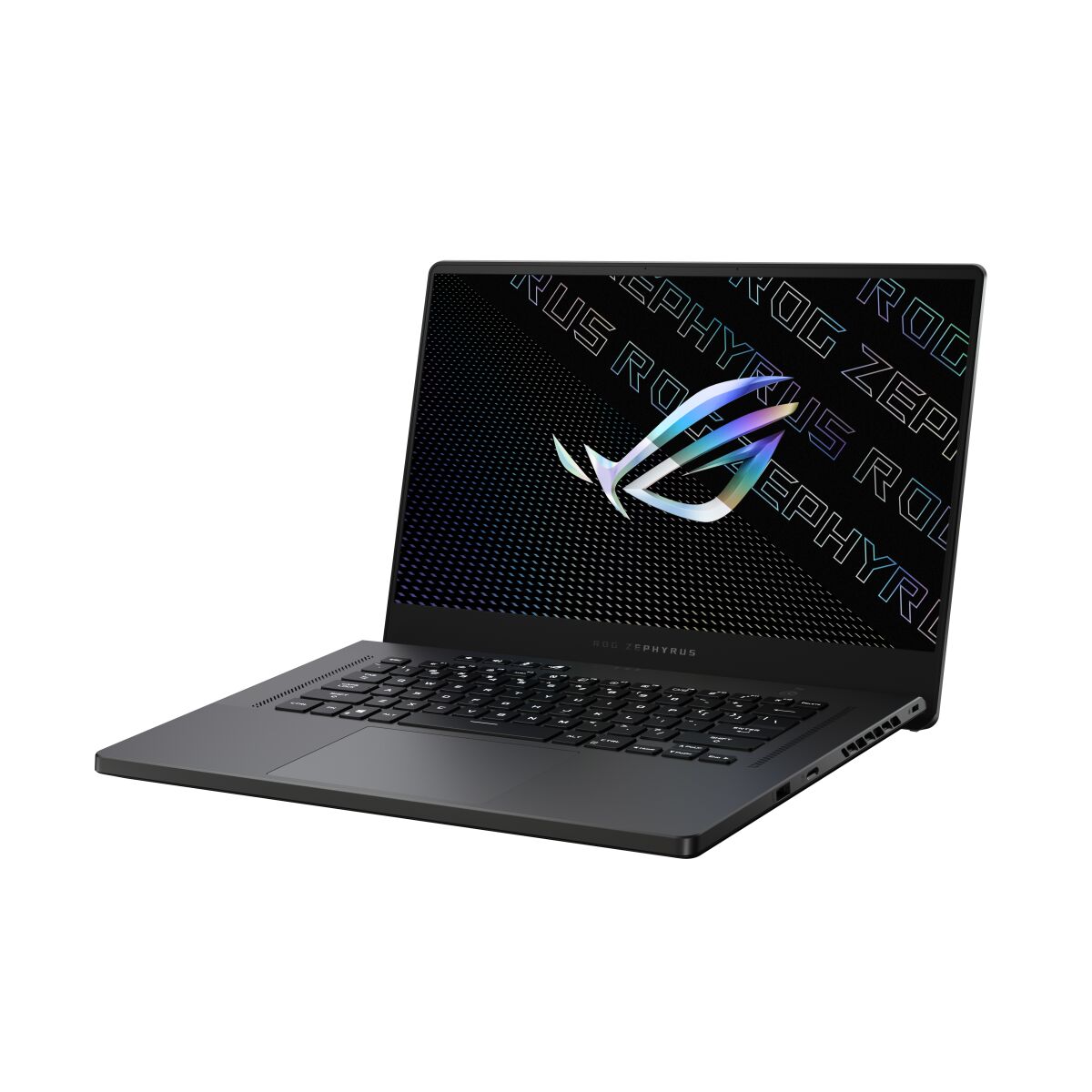
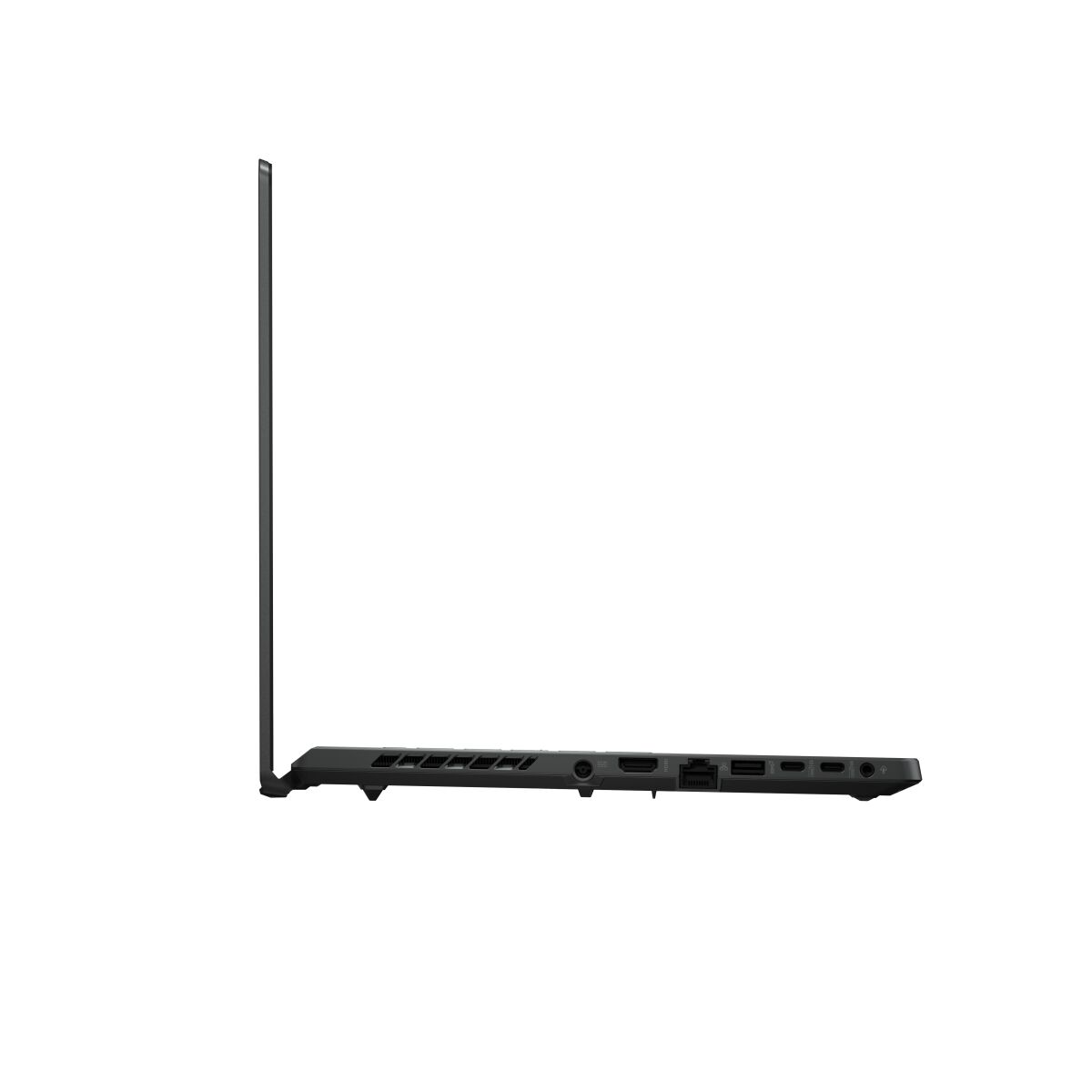
ASUS ROG Zephyrus G15 GA503QM-HQ043T supports DDR4-SDRAM memory upgrades with one SO-DIMM slot available for expansion. The laptop features on-board memory combined with one upgradeable SO-DIMM slot, allowing maximum RAM capacity of 32 GB. Compatible memory operates at 3200 MHz frequency. The upgrade slot accommodates standard SO-DIMM form factor modules, enabling users to expand the system's memory specifications for enhanced multitasking and performance capabilities.
Memory Upgrade Specifications
| Specification | Value |
|---|---|
| Memory slots | 1x SO-DIMM |
| Form factor | On-board + SO-DIMM |
| Memory type | DDR4-SDRAM |
| Frequency | 3200 MHz |
| Maximum RAM | 32 GB |
| Voltage | 1.2V |
| Number of pins | 260-pin |
| Interface | PC4 |
| PC Speed Rating | PC4-3200 (PC4-25600) |
| Bandwidth | 25.6 GB/s |
| Laptop Release date | 22 March 2021 |
Additional Notes
- The ASUS ROG GA503QM-HQ043T employs a hybrid memory architecture with one bank soldered directly to the motherboard and one accessible SO-DIMM slot, preventing full memory replacement and requiring retention of the factory-installed module.
- The 32 GB system ceiling indicates the soldered memory occupies either 8 GB or 16 GB, as the accessible slot must accommodate the remainder within a single module to reach maximum capacity.
- Achieving optimal dual-channel bandwidth requires matching the capacity of the soldered module in the SO-DIMM slot, as mismatched configurations will operate in asymmetric or flex mode with reduced memory interleaving efficiency.
- DDR4-3200 represents the Joint Electron Device Engineering Council (JEDEC) standard speed, though actual operating frequency depends on the installed AMD Ryzen processor's memory controller specifications and BIOS implementation.
- Installing a higher-frequency module than 3200 MHz will result in automatic downclocking to the system-supported specification, offering no performance advantage while potentially increasing cost.
- The single accessible slot eliminates incremental upgrade paths, as any capacity increase requires complete replacement of the existing SO-DIMM module rather than additive installation.
- SO-DIMM modules operate at 1.2 volts for DDR4 specifications, and the system will reject modules requiring alternative voltages such as low-voltage variants or overclocking-oriented XMP profiles exceeding JEDEC standards.
- Physical access to the SO-DIMM slot typically requires bottom panel removal, which may void warranty seals depending on regional consumer protection laws and manufacturer policies.
- The onboard memory configuration prevents total system failure if the SO-DIMM module develops faults, as the soldered bank maintains basic functionality for diagnostic purposes.
- Mixing memory modules from different manufacturers or production batches increases the risk of timing incompatibilities, even when nominal specifications match, potentially causing stability issues under sustained workloads.