ASUS ROG GU603VV-N4007W RAM upgrade specifications
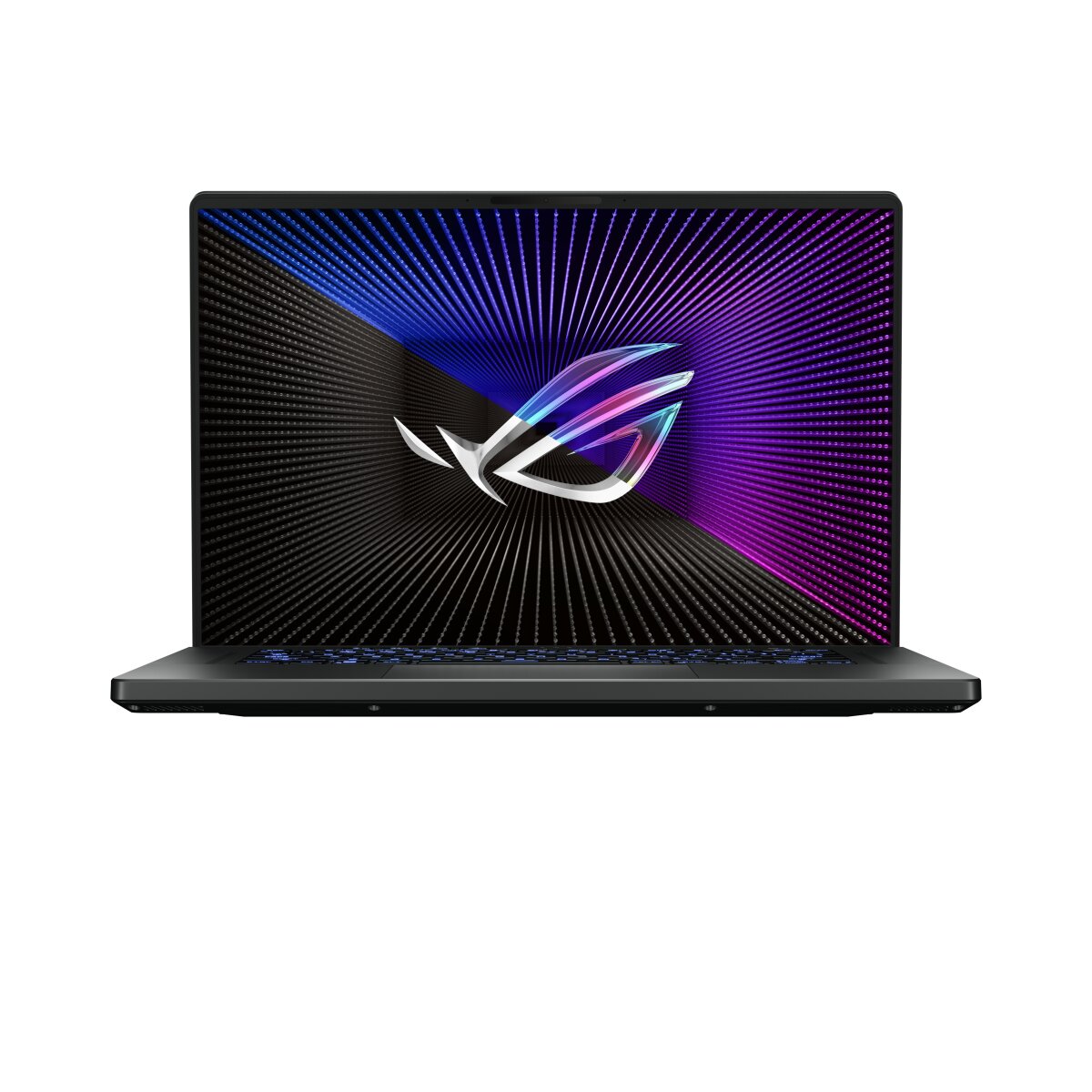

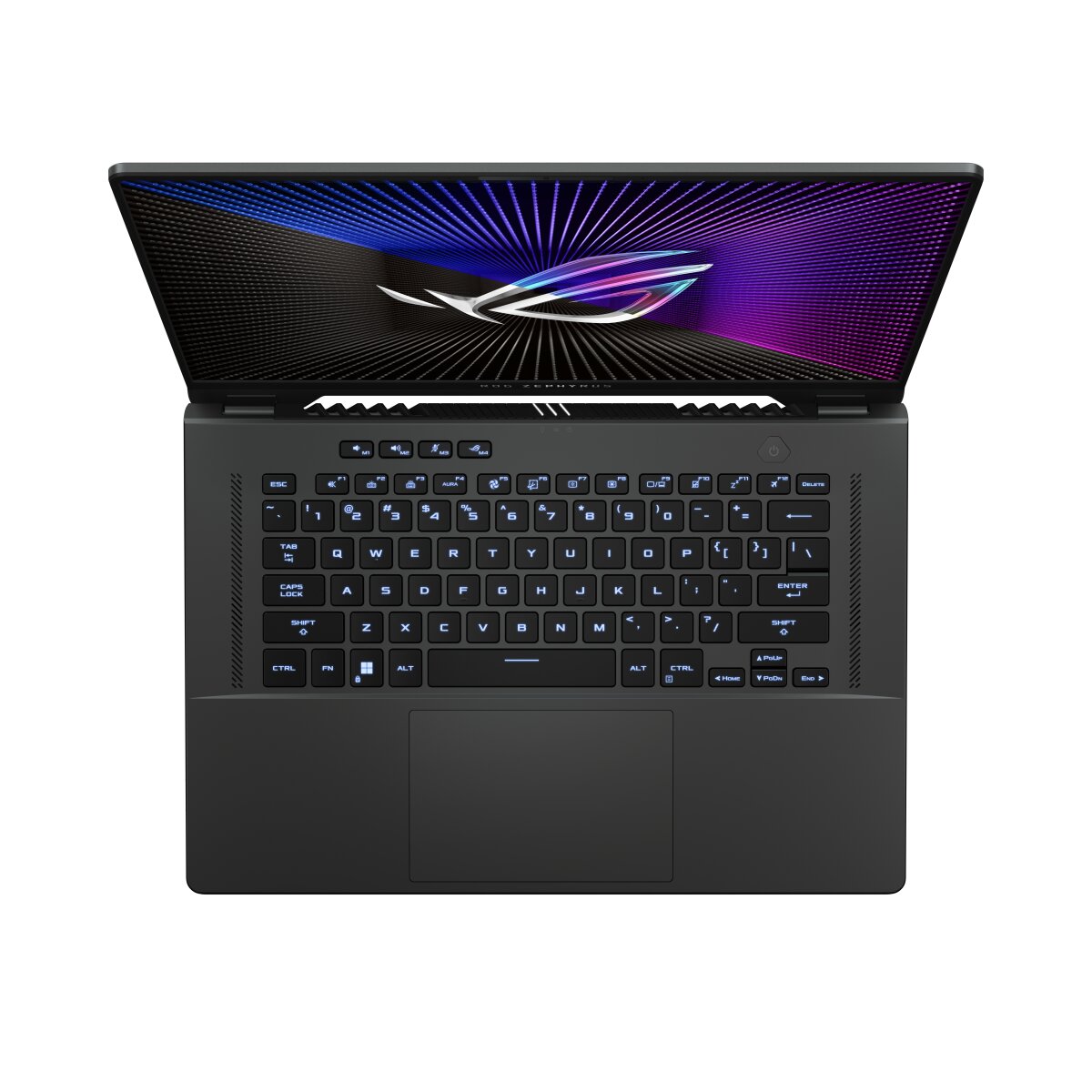
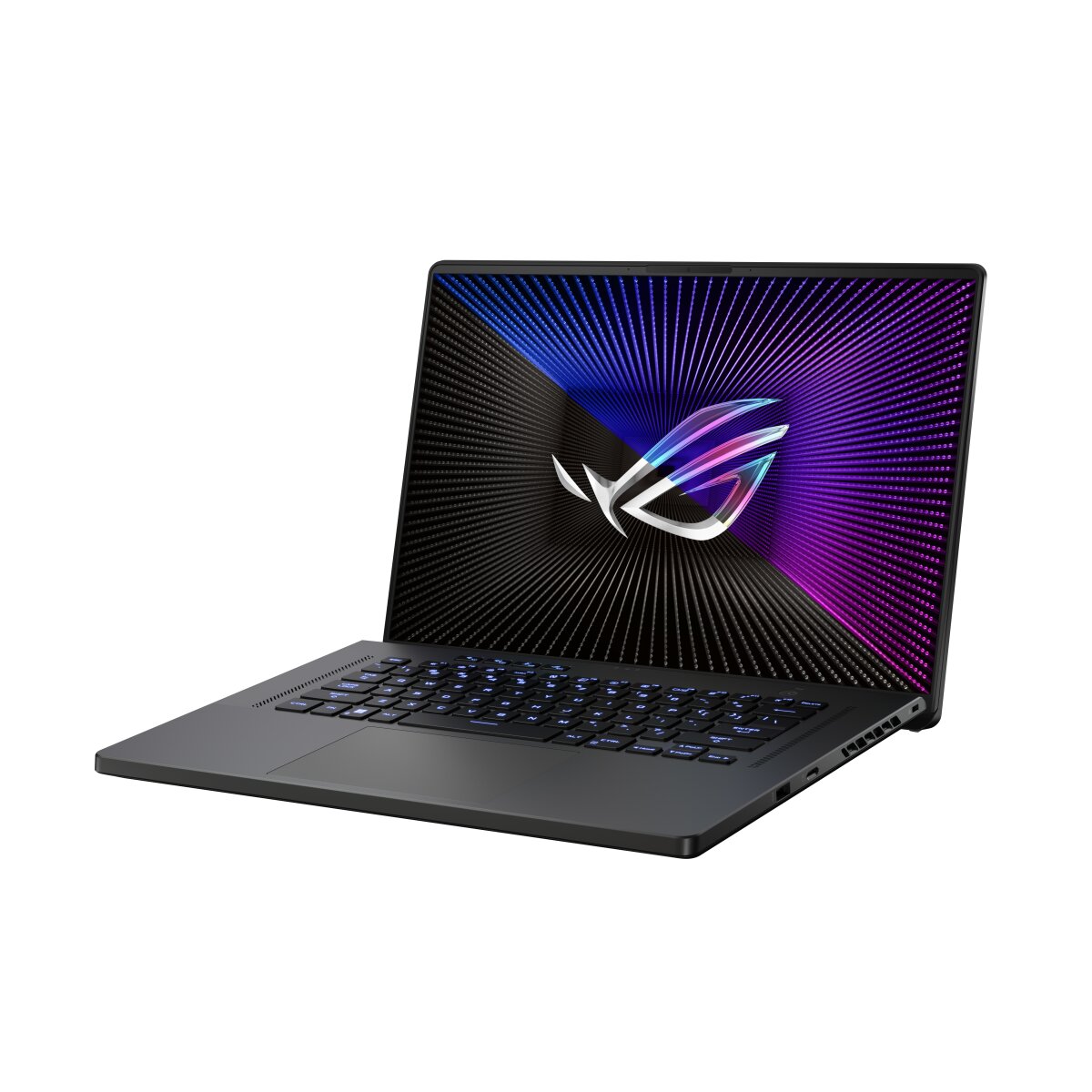
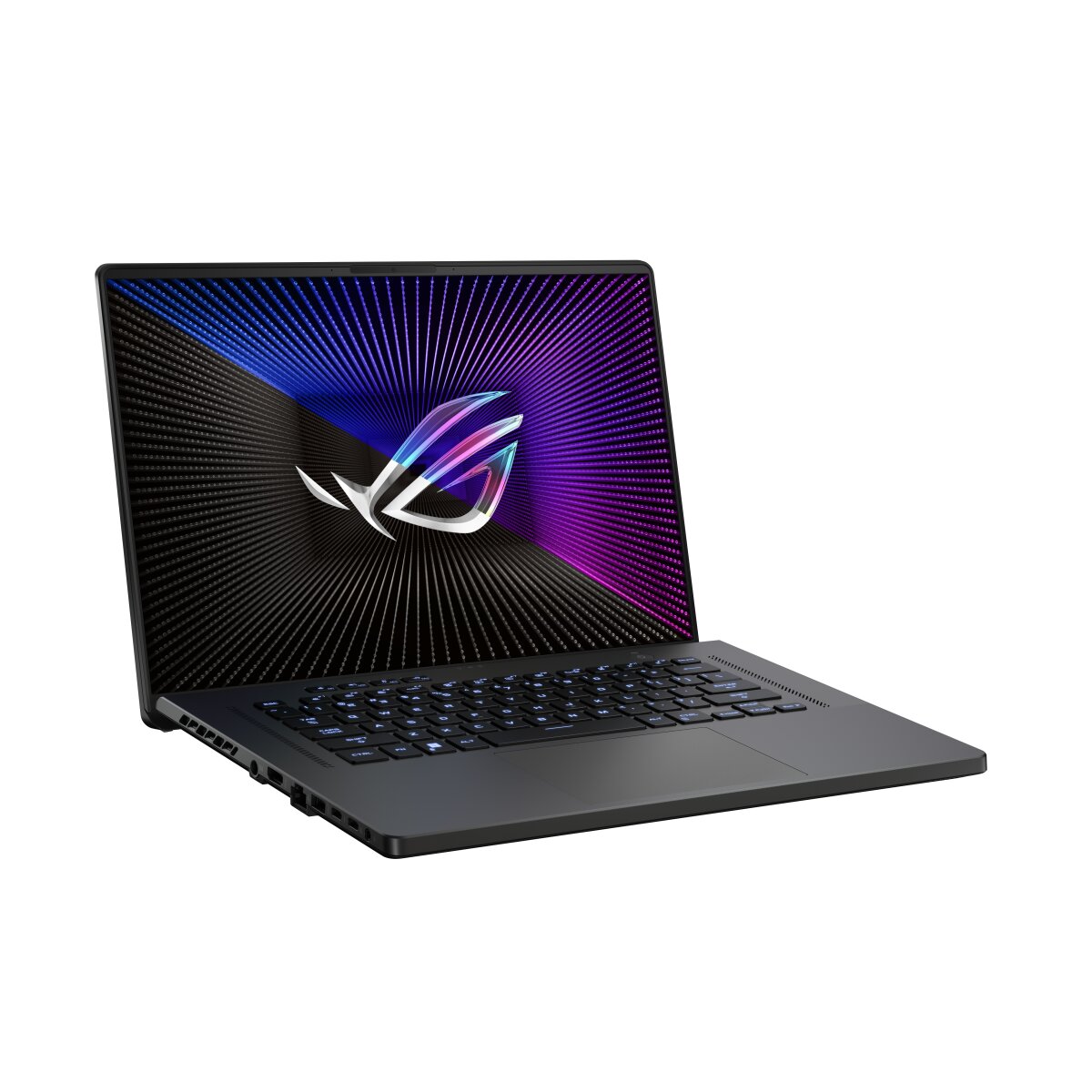
ASUS ROG Zephyrus G16 model GU603VV-N4007W supports DDR4-SDRAM memory upgrade through one SO-DIMM slot. The laptop features on-board memory combined with expandable SO-DIMM capacity, compatible with DDR4 modules operating at 3200 MHz frequency. Maximum supported RAM capacity reaches 48 GB. Current specifications provide upgrade capability for users requiring enhanced memory performance for intensive computing tasks.
Memory Upgrade Specifications
| Specification | Value |
|---|---|
| Memory slots | 1x SO-DIMM |
| Form factor | On-board + SO-DIMM |
| Memory type | DDR4-SDRAM |
| Frequency | 3200 MHz |
| Maximum RAM | 48 GB |
| Voltage | 1.2V |
| Number of pins | 260-pin |
| Interface | PC4 |
| PC Speed Rating | PC4-3200 (PC4-25600) |
| Bandwidth | 25.6 GB/s |
| Laptop Release date | 27 January 2023 |
Additional Notes
- The ASUS ROG GU603VV-N4007W features a hybrid memory architecture with one portion soldered directly to the motherboard and one accessible slot, limiting user modifications to a single module replacement rather than a complete dual-channel reconfiguration.
- The 48 GB maximum capacity indicates 16 GB of non-removable soldered memory paired with the single SO-DIMM slot, meaning any upgrade module should be 32 GB to reach the system's advertised maximum without leaving capacity unused.
- Mixing a soldered module with an aftermarket SO-DIMM of different density creates asymmetric dual-channel operation, where only the matched capacity portion runs in dual-channel mode while excess capacity on the larger module operates in slower single-channel mode.
- DDR4-3200 represents the maximum supported data rate, but actual operational frequency depends on both modules supporting this speed and the CPU's memory controller maintaining compatibility under asymmetric configuration stress.
- The SO-DIMM form factor requires laptop-specific modules rather than desktop DIMM variants, which are physically incompatible due to different pin counts and notch positions despite sharing the same DDR4 technology standard.
- Accessing the single memory slot typically requires bottom panel removal, and some manufacturers void warranty coverage if non-authorized personnel perform upgrades, making verification of service terms advisable before attempting installation.
- Thermal performance may degrade with capacity upgrades since higher-density modules generate more heat in confined laptop chassis spaces, potentially triggering earlier thermal throttling during sustained memory-intensive workloads.
- Installing a module with lower latency timings than the soldered memory forces the system to operate both modules at the slower timing specification, negating any potential performance advantage from premium aftermarket modules.
- The non-upgradable soldered portion represents a permanent capacity floor, meaning systems shipped with this configuration cannot reduce total memory below the onboard amount regardless of SO-DIMM slot population status.