ASUS ROG GU603VU-N4006W RAM upgrade specifications
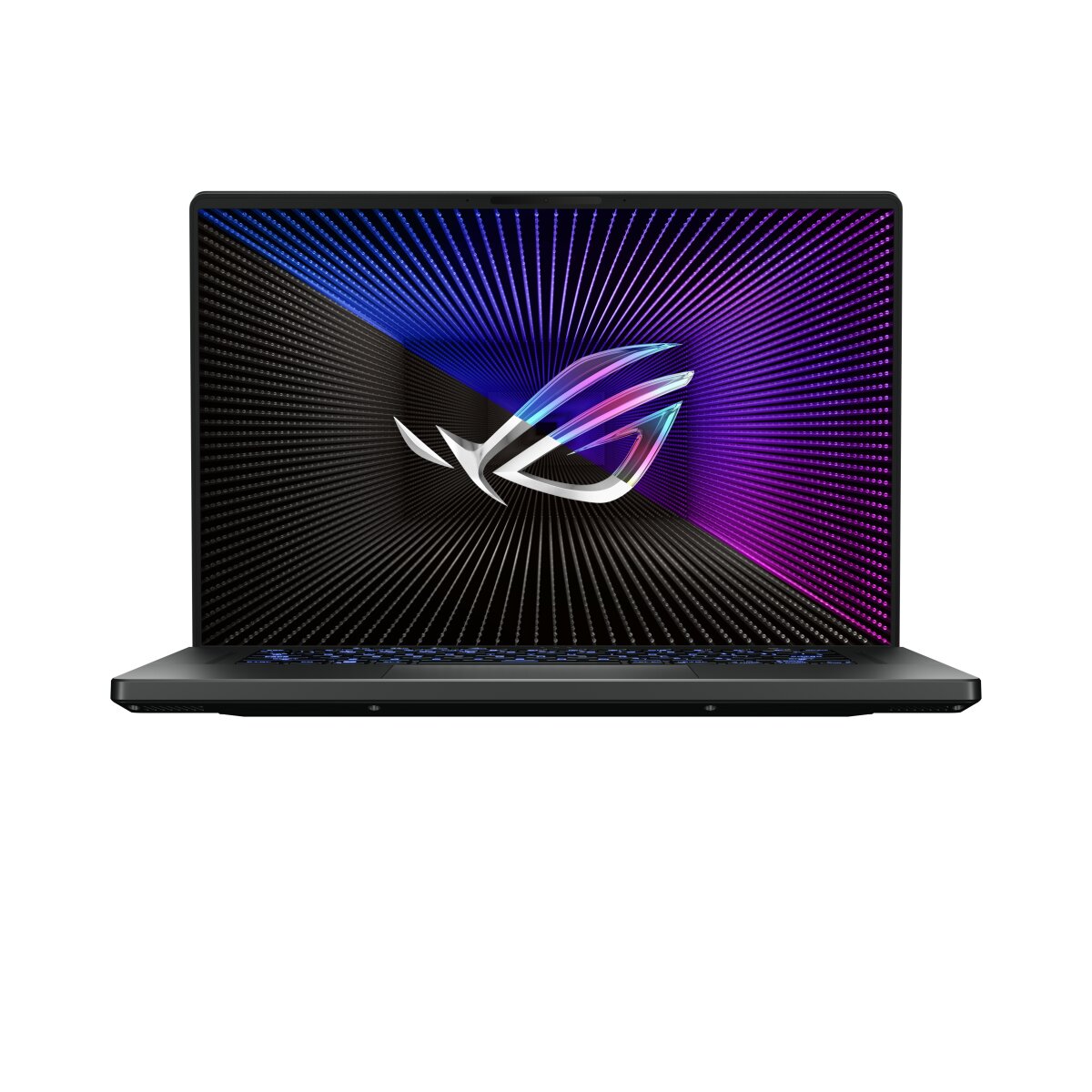

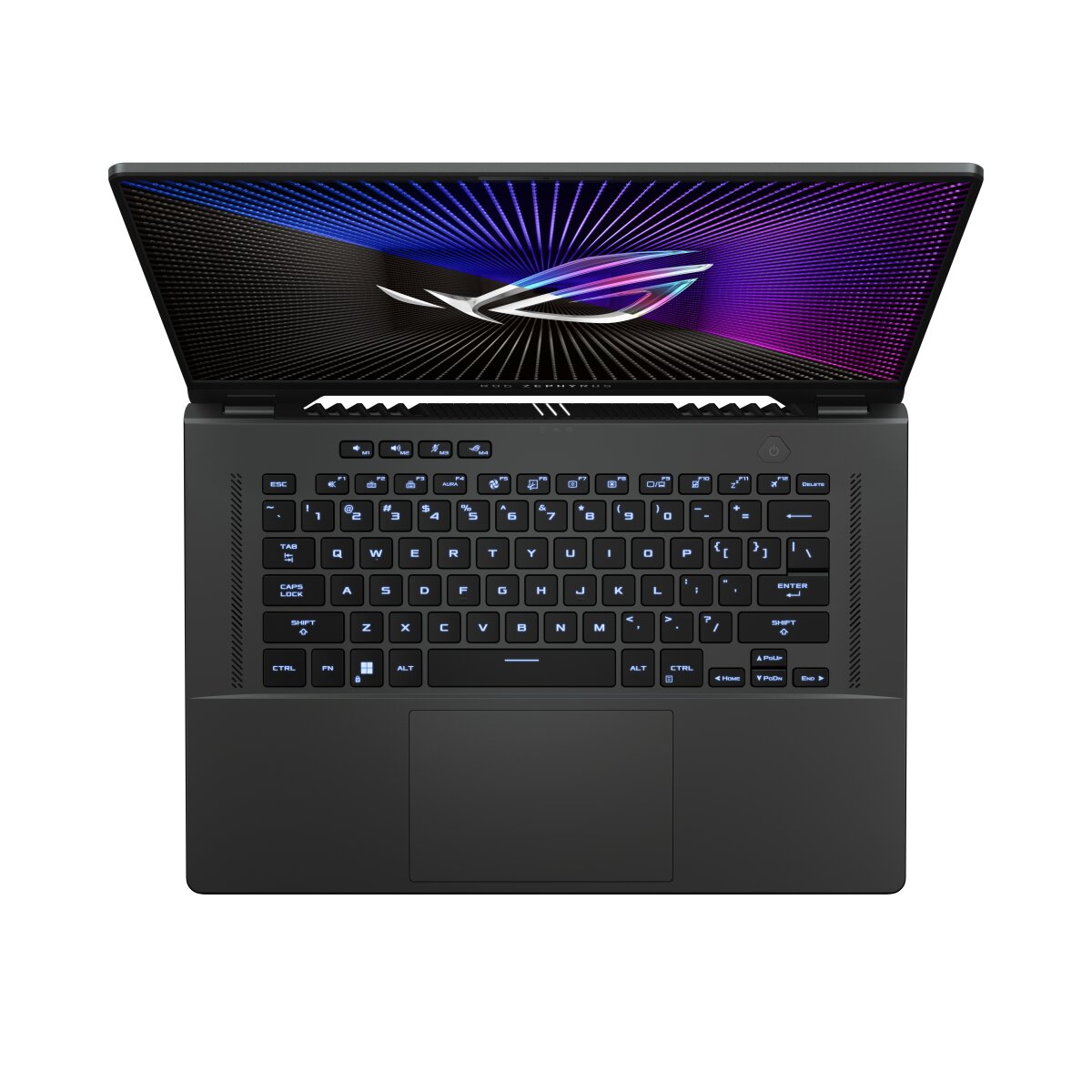
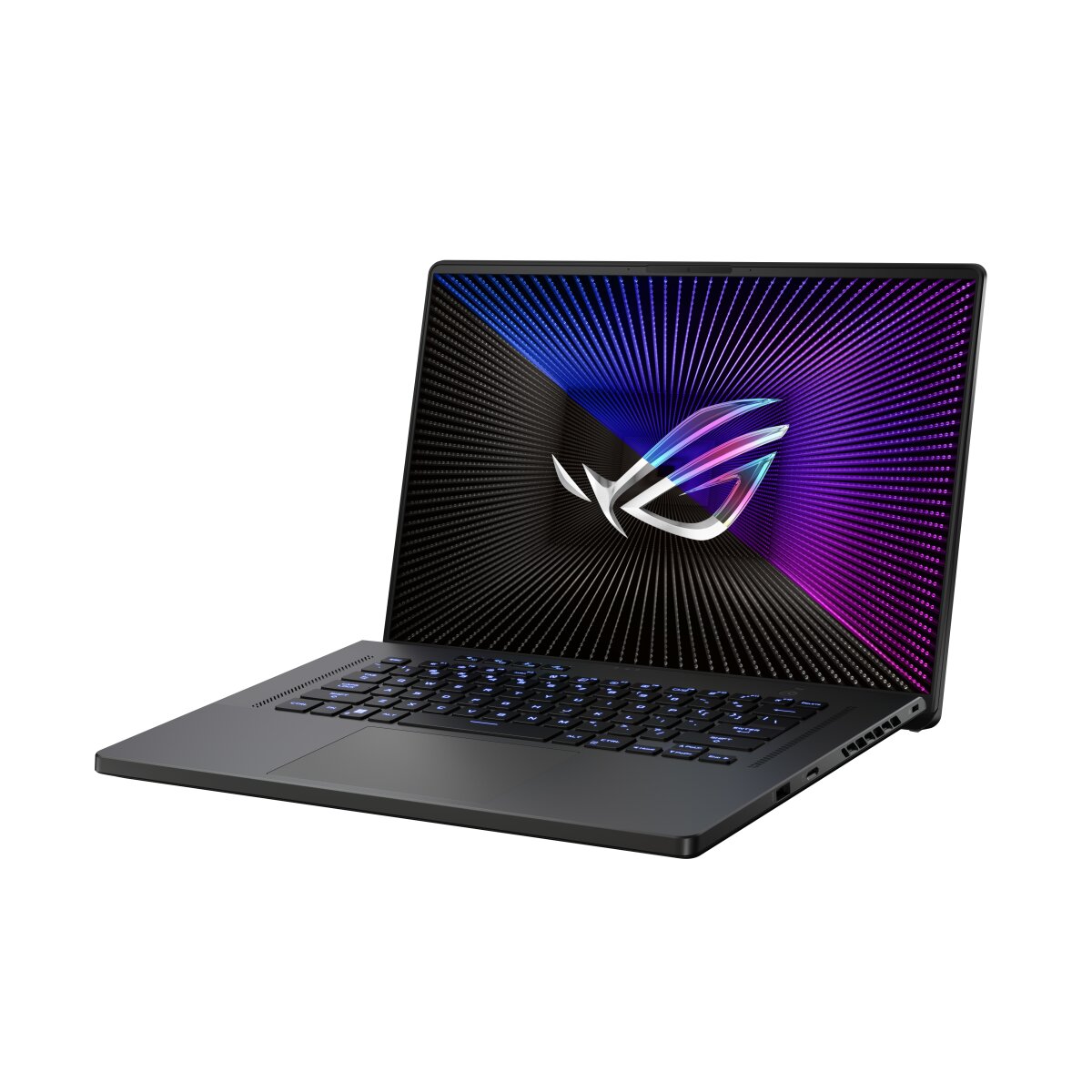
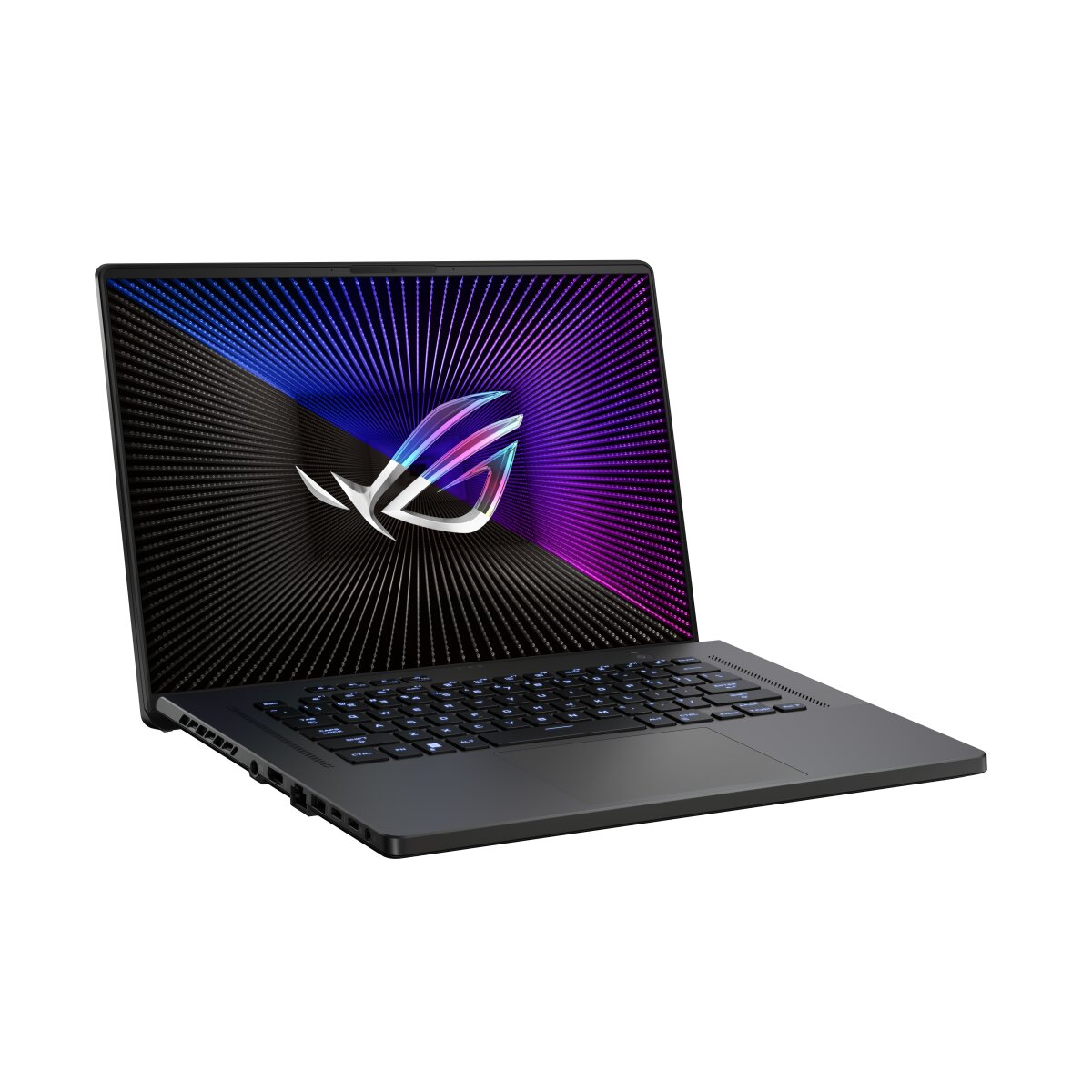
ASUS ROG Zephyrus G16 model GU603VU-N4006W supports DDR4-SDRAM memory upgrades. The laptop features one SO-DIMM slot for RAM expansion, with a maximum compatible capacity of 48 GB. The memory operates at 3200 MHz frequency. The upgrade configuration consists of on-board memory combined with one accessible SO-DIMM slot, enabling users to expand total system memory to specifications up to 48 GB. Compatible memory modules must meet DDR4-SDRAM standards and operate at the specified frequency for optimal performance and compatibility.
Memory Upgrade Specifications
| Specification | Value |
|---|---|
| Memory slots | 1x SO-DIMM |
| Form factor | On-board + SO-DIMM |
| Memory type | DDR4-SDRAM |
| Frequency | 3200 MHz |
| Maximum RAM | 48 GB |
| Voltage | 1.2V |
| Number of pins | 260-pin |
| Interface | PC4 |
| PC Speed Rating | PC4-3200 (PC4-25600) |
| Bandwidth | 25.6 GB/s |
| Laptop Release date | 14 April 2023 |
Additional Notes
- The ASUS ROG GU603VU-N4006W features a hybrid memory architecture with soldered RAM occupying one channel and a single SO-DIMM slot providing the only user-accessible upgrade path.
- The 48 GB maximum capacity constraint indicates permanent soldered memory already installed, limiting total system RAM regardless of the SO-DIMM module capacity selected.
- Achieving dual-channel operation requires matching the SO-DIMM module capacity to the soldered memory, as mismatched densities force the system into asymmetric or single-channel mode with reduced bandwidth.
- DDR4-3200 represents the certified speed ceiling, though the platform may accept higher-frequency modules that will downclock to 3200 MHz during POST.
- Accessing the single SO-DIMM slot typically requires bottom panel removal, which may involve breaking warranty seals depending on regional consumer protection regulations.
- The SO-DIMM form factor limits compatibility to 260-pin modules, excluding standard DIMM or newer DDR5 SO-DIMM variants with different physical keying.
- Systems with soldered memory components carry higher risk during upgrades, as incompatible modules can prevent POST completion without ability to revert by simply removing all RAM.
- The 3200 MHz specification operates within JEDEC standards rather than requiring XMP profile activation, simplifying compatibility verification across module manufacturers.
- Mixed-capacity configurations between soldered and socketed memory partition system RAM into matched and unmatched regions, with performance varying by application memory allocation patterns.
- Voltage compatibility remains fixed at the DDR4 standard 1.2V, as the soldered component prevents BIOS voltage adjustments that higher-performance SO-DIMMs might otherwise request.