ASUS ROG GU603VI-N4080X RAM upgrade specifications


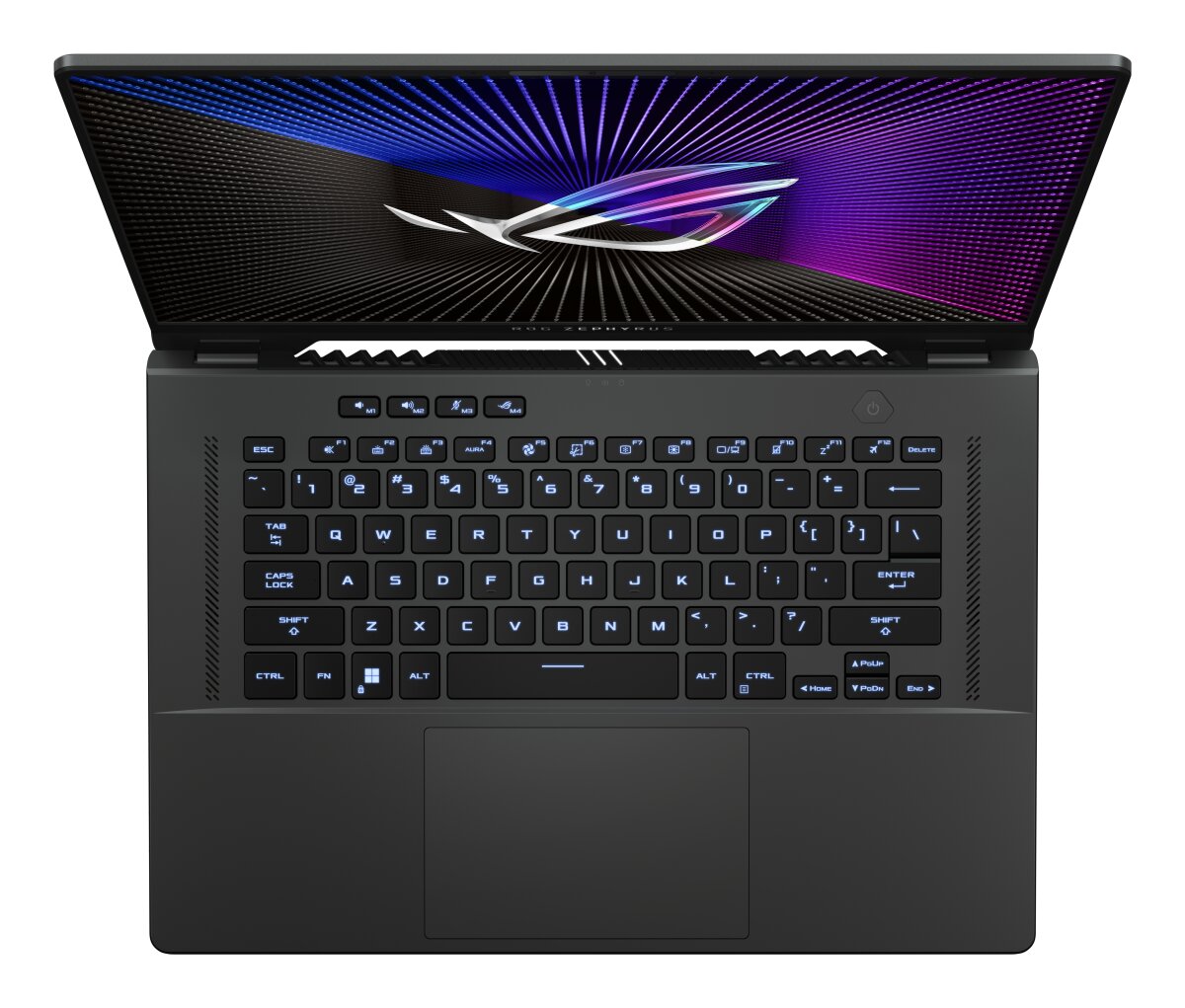
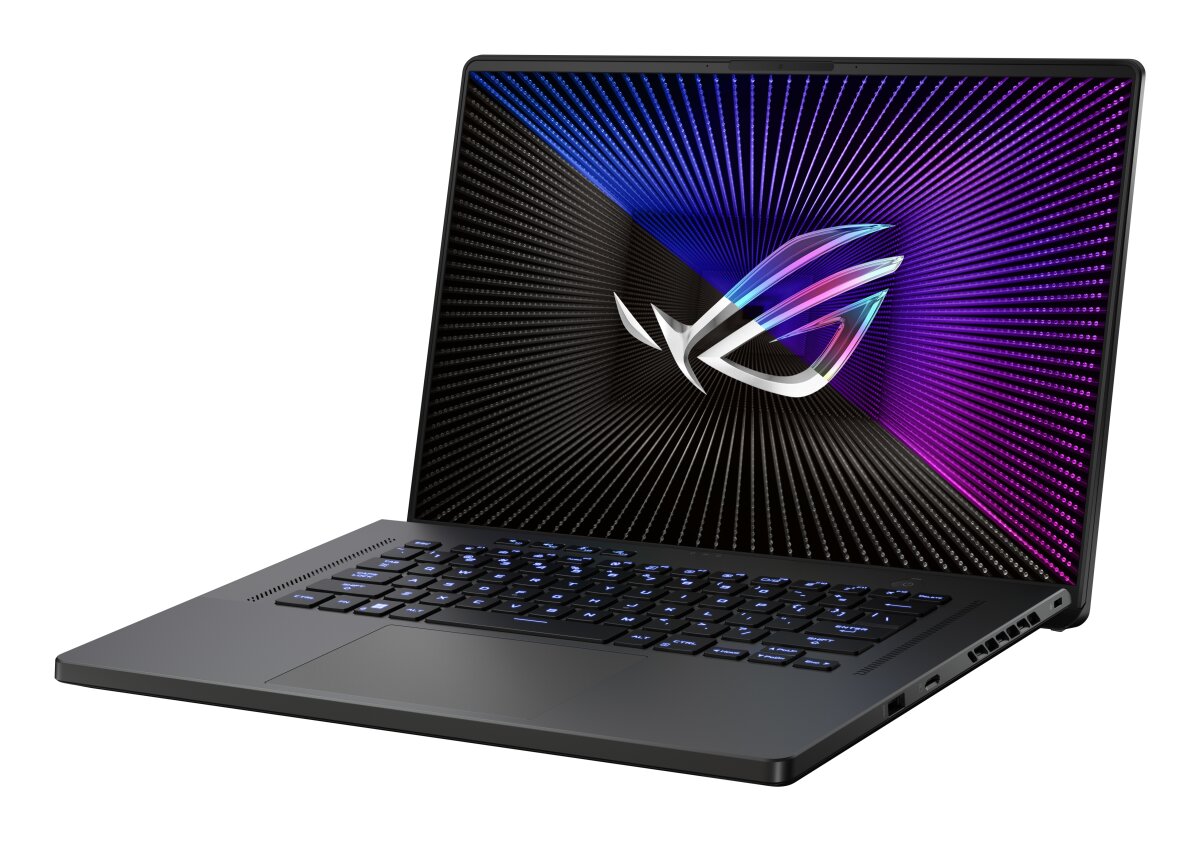

The ASUS ROG Zephyrus G16 model GU603VI-N4080X supports DDR4-SDRAM memory upgrades with a maximum capacity of 48 GB. The laptop features one SO-DIMM slot for expansion, compatible with DDR4 modules operating at 3200 MHz frequency. Current memory configuration includes on-board memory with one additional upgradeable slot. Specifications indicate maximum RAM upgrade potential of 48 GB total capacity through compatible DDR4-SDRAM modules.
Memory Upgrade Specifications
| Specification | Value |
|---|---|
| Memory slots | 1x SO-DIMM |
| Form factor | On-board + SO-DIMM |
| Memory type | DDR4-SDRAM |
| Frequency | 3200 MHz |
| Maximum RAM | 48 GB |
| Voltage | 1.2V |
| Number of pins | 260-pin |
| Interface | PC4 |
| PC Speed Rating | PC4-3200 (PC4-25600) |
| Bandwidth | 25.6 GB/s |
Additional Notes
- The ASUS ROG GU603VI-N4080X features a hybrid memory architecture combining soldered RAM with a single expansion slot, limiting upgradability compared to dual-slot configurations.
- The 48 GB maximum capacity indicates 16 GB of soldered memory already present on the motherboard, allowing only one additional 32 GB module to reach the specified limit.
- DDR4-3200 compatibility requires matched frequency modules to avoid automatic downclocking, as mixing speeds forces all memory to operate at the lowest common frequency.
- The single SO-DIMM slot prevents dual-channel memory expansion beyond the factory configuration, potentially creating asymmetric channel population affecting bandwidth scaling.
- Installing a 32 GB module alongside the soldered 16 GB creates a 48 GB total configuration operating in flex mode rather than pure dual-channel mode for the entire capacity.
- Standard SO-DIMM DDR4 modules use 260-pin connectors with a physical notch positioned for voltage keying, preventing installation of incompatible DDR3 or DDR5 modules.
- The 3200 MHz specification represents DDR4-3200 (PC4-25600) with an effective data rate requiring JEDEC standard compliance for guaranteed stability.
- Thermal considerations become relevant with 32 GB high-density modules, as single-slot configurations concentrate heat generation in one memory area without distribution across multiple slots.
- Accessing the SO-DIMM slot typically requires bottom panel removal, with manufacturer warranties remaining intact for user-replaceable component upgrades through designated access points.
- Memory rank configuration affects compatibility, where mixing single-rank and dual-rank modules with soldered memory may introduce latency variations despite matching frequency specifications.
- The onboard memory component eliminates one potential failure point through permanent soldering while simultaneously removing the option to replace that portion if defects develop.
- Voltage specifications for DDR4-3200 operate at standard 1.2V, though XMP profiles on aftermarket modules require BIOS support to enable advertised speeds beyond JEDEC defaults.