ASUS ROG GU603VI-N4020W RAM upgrade specifications
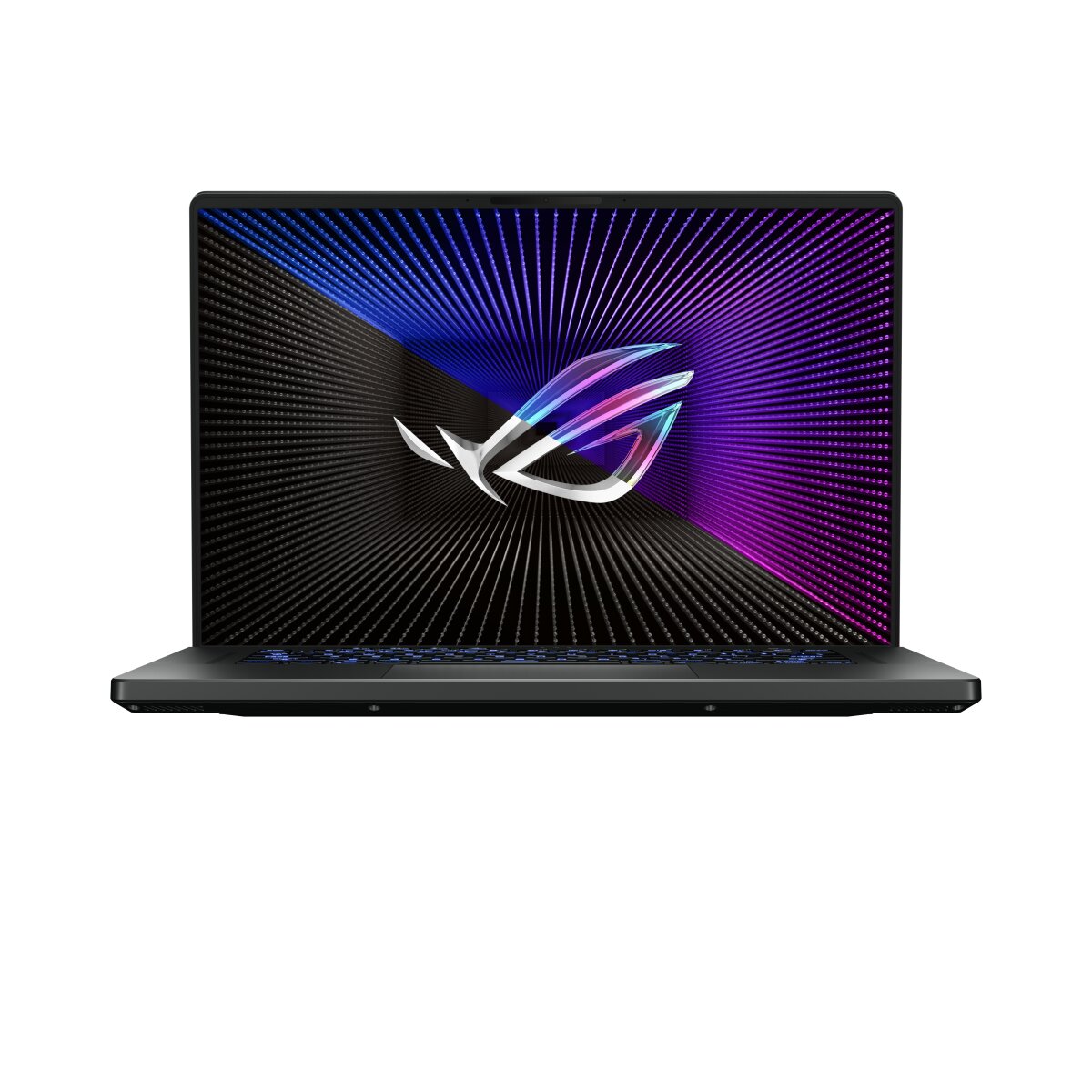
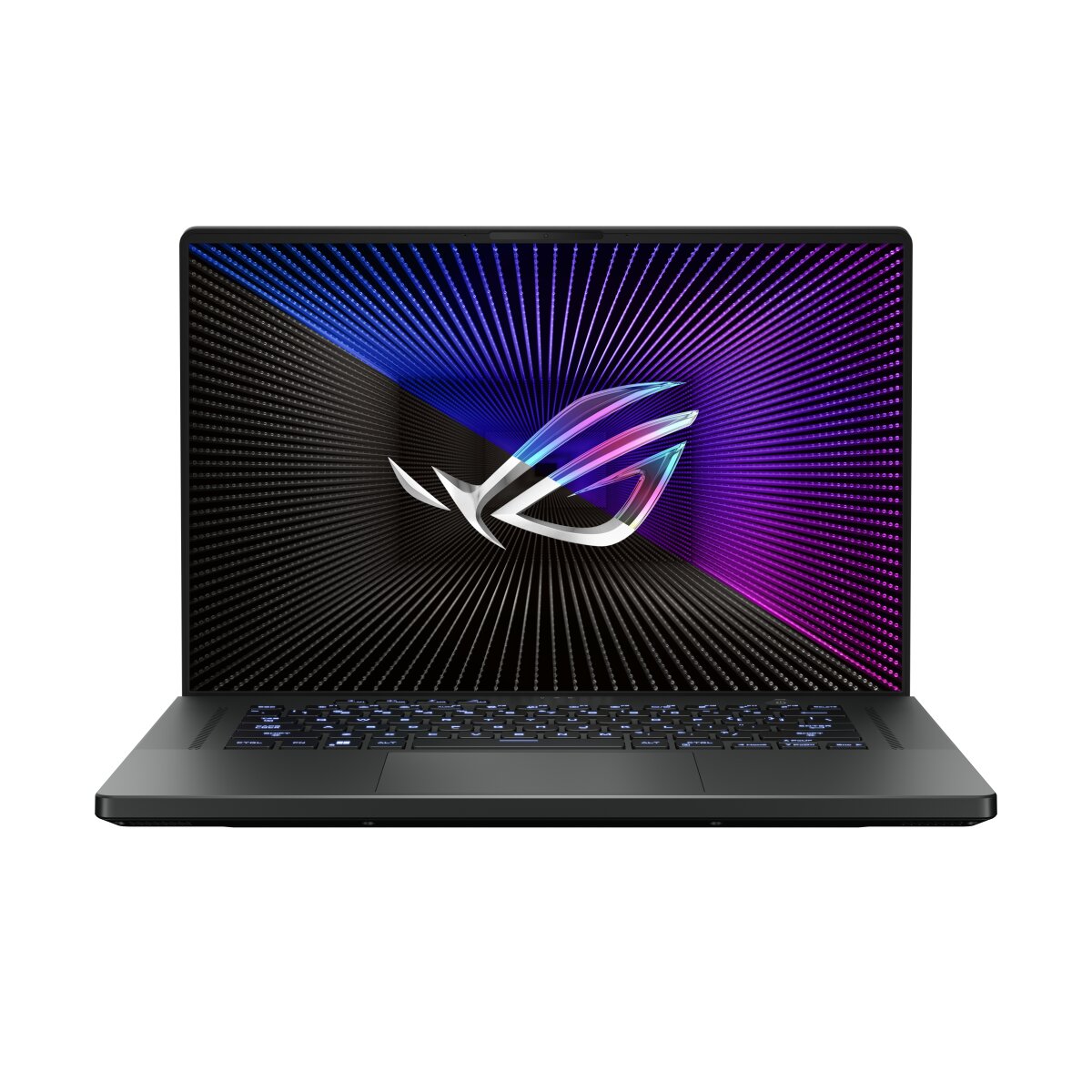
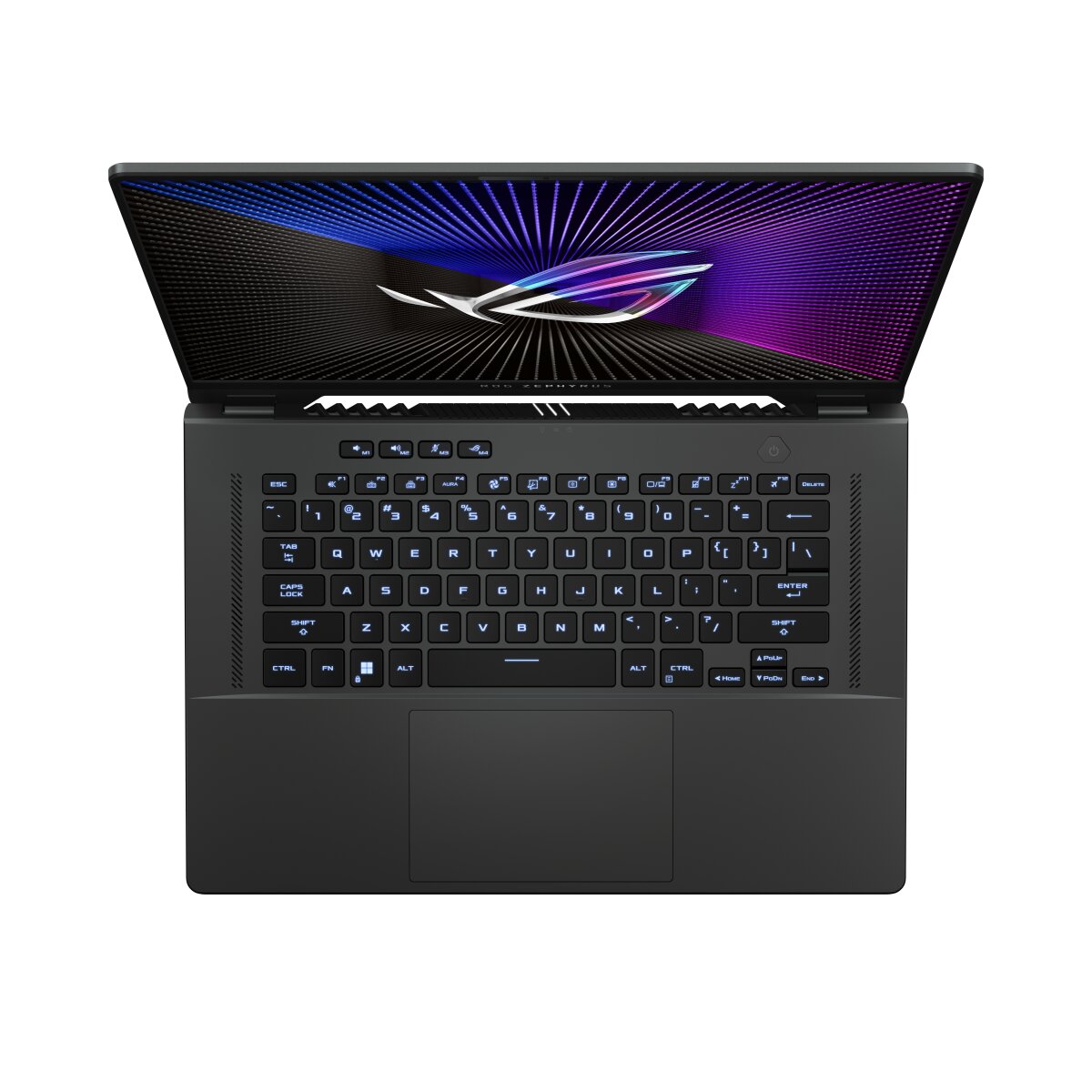
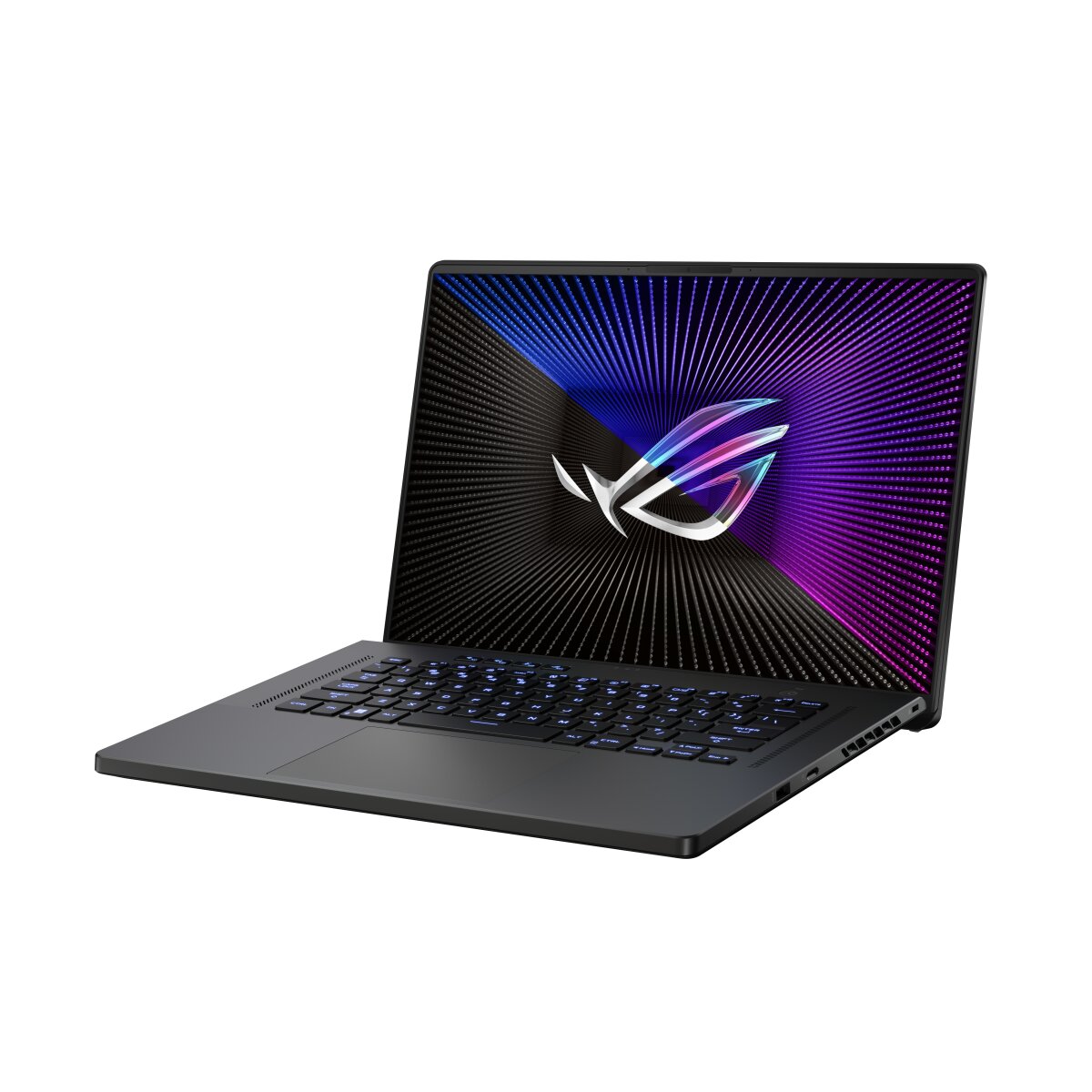
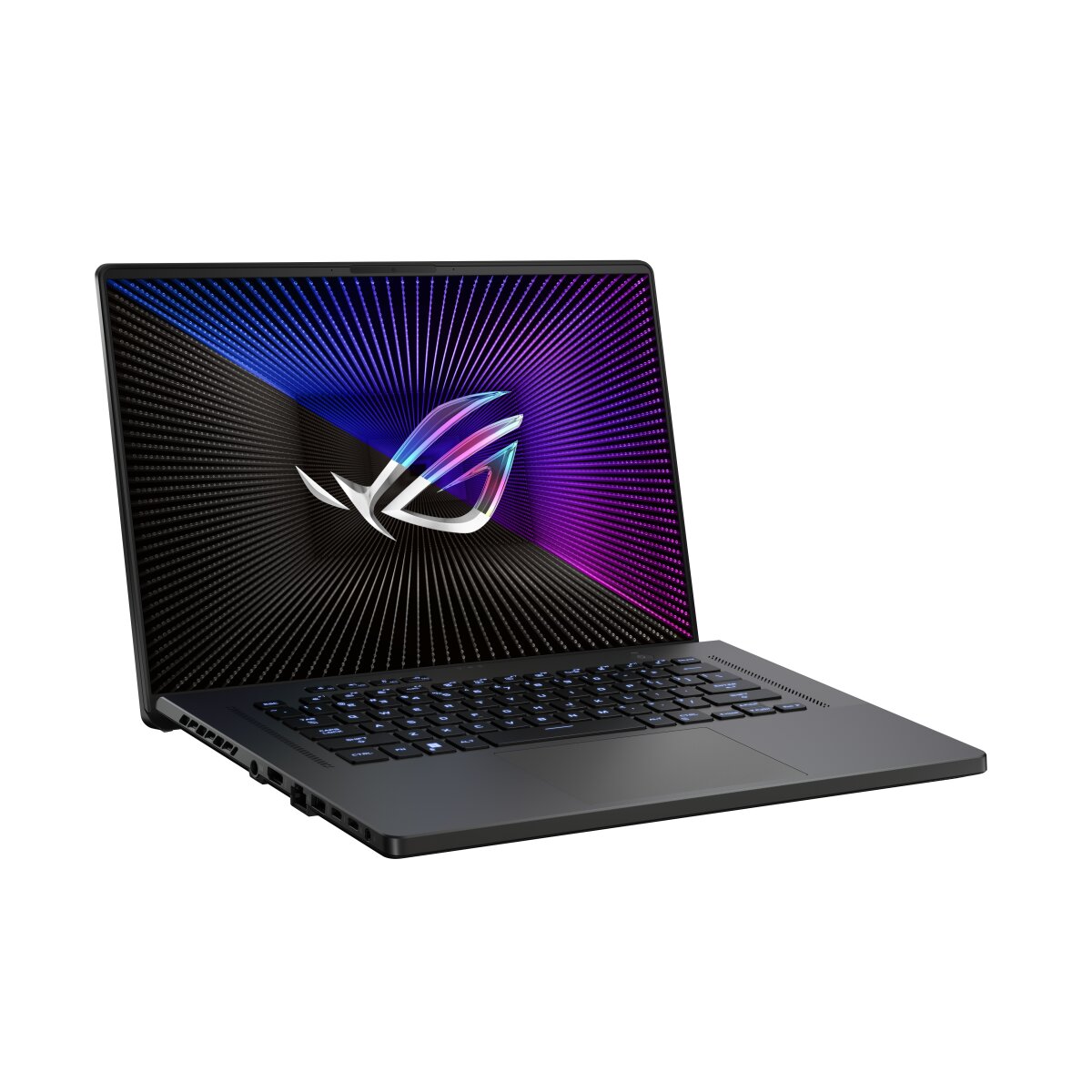
ASUS ROG Zephyrus G16 model GU603VI-N4020W supports DDR4-SDRAM memory upgrades with specifications including one SO-DIMM slot for expansion. The laptop features on-board memory combined with upgradeable SO-DIMM capacity, compatible with 3200 MHz frequency modules. Maximum RAM capacity reaches 48 GB, providing significant memory upgrade potential. Specifications indicate memory configuration allows for substantial RAM expansion beyond factory installation through the available SO-DIMM slot, supporting DDR4 technology for enhanced multitasking and performance capabilities in gaming and professional workloads.
Memory Upgrade Specifications
| Specification | Value |
|---|---|
| Memory slots | 1x SO-DIMM |
| Form factor | On-board + SO-DIMM |
| Memory type | DDR4-SDRAM |
| Frequency | 3200 MHz |
| Maximum RAM | 48 GB |
| Voltage | 1.2V |
| Number of pins | 260-pin |
| Interface | PC4 |
| PC Speed Rating | PC4-3200 (PC4-25600) |
| Bandwidth | 25.6 GB/s |
| Laptop Release date | 17 May 2023 |
Additional Notes
- The ASUS ROG GU603VI-N4020W features a hybrid memory architecture combining soldered RAM with a single expansion slot, limiting upgrade flexibility compared to dual-slot configurations.
- The 48 GB maximum capacity indicates 16 GB of non-upgradeable soldered memory, allowing only a 32 GB SO-DIMM module in the available slot to reach the advertised ceiling.
- Installing modules smaller than 32 GB will result in total system memory below the maximum threshold, potentially underutilizing the platform's memory controller capabilities.
- The 3200 MHz specification requires DDR4 modules with matching speed ratings to avoid automatic downclocking, though JEDEC standard modules at lower speeds will force the entire memory subsystem to operate at the slowest module's frequency.
- Mixing the soldered memory with an aftermarket SO-DIMM may prevent dual-channel operation across the full capacity if the module sizes create asymmetric configurations, reducing memory bandwidth in certain workloads.
- The single SO-DIMM slot requires module removal before replacement, making capacity upgrades a swap operation rather than additive expansion.
- Thermal constraints in this chassis design may limit sustained performance with high-density 32 GB modules under extended memory-intensive operations, as single-sided vs double-sided module construction affects heat dissipation.
- Accessing the SO-DIMM slot likely requires bottom panel removal, which may involve multiple screw types and careful cable routing during reassembly to maintain factory cooling performance.
- Third-party modules must meet JEDEC DDR4 SO-DIMM physical specifications, as incompatible PCB thickness or component height can prevent proper seating in the slot's retention mechanism.
- Warranty implications depend on regional regulations, though memory upgrades typically preserve coverage if no physical damage occurs during installation and original modules are retained.