ASUS ROG GU603VI-N4006 RAM upgrade specifications

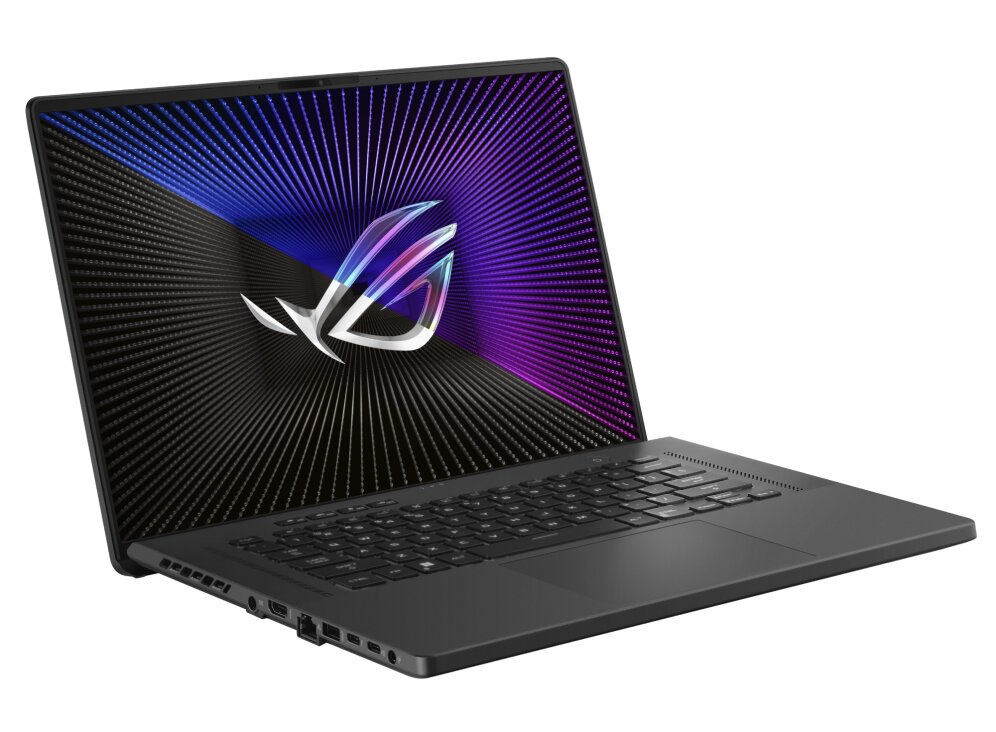

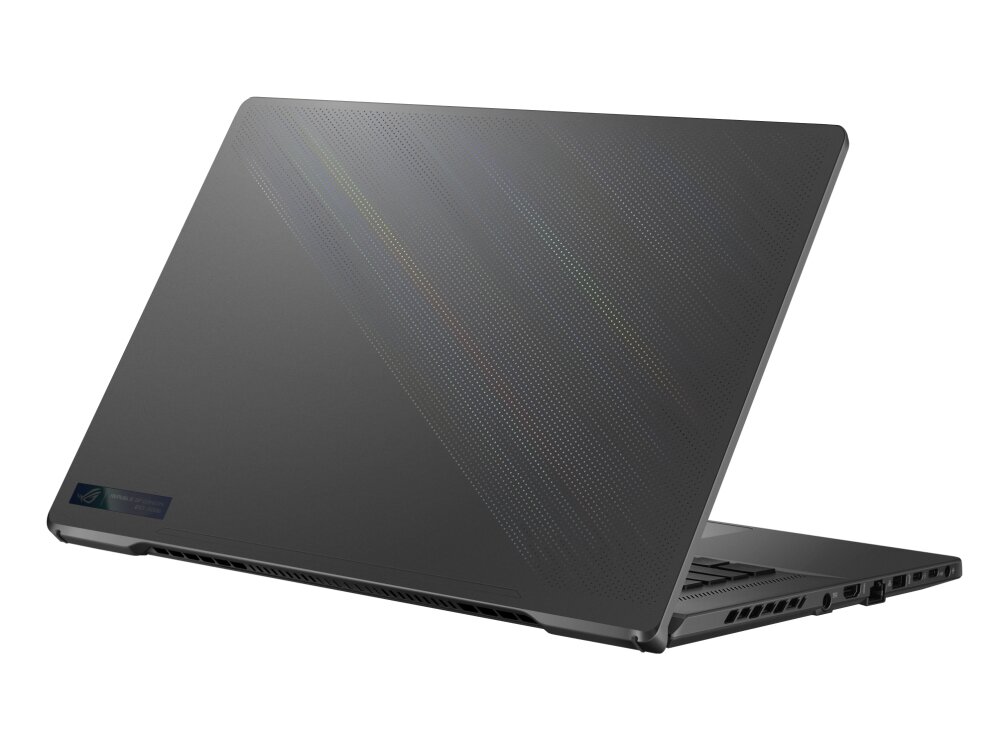

ASUS ROG Zephyrus G16 model GU603VI-N4006 features DDR4-SDRAM memory upgrade specifications with one SO-DIMM slot available for expansion. The laptop contains on-board memory combined with a single upgradeable SO-DIMM slot, supporting maximum RAM capacity of 48 GB. Compatible memory operates at 3200 MHz frequency. The upgrade slots accommodate DDR4 specifications for users requiring enhanced memory capacity beyond the integrated configuration.
Memory Upgrade Specifications
| Specification | Value |
|---|---|
| Memory slots | 1x SO-DIMM |
| Form factor | On-board + SO-DIMM |
| Memory type | DDR4-SDRAM |
| Frequency | 3200 MHz |
| Maximum RAM | 48 GB |
| Voltage | 1.2V |
| Number of pins | 260-pin |
| Interface | PC4 |
| PC Speed Rating | PC4-3200 (PC4-25600) |
| Bandwidth | 25.6 GB/s |
| Laptop Release date | 27 February 2023 |
Additional Notes
- The presence of on-board memory limits the dual-channel configuration potential to the capacity of the soldered chip, forcing any memory beyond that threshold into asynchronous flex mode which reduces bandwidth for high-demand applications.
- Physical memory expansion is restricted to a single point of failure because only 1 module is removable, preventing the replacement of the base memory if the soldered silicon fails.
- The ASUS ROG GU603VI-N4006 utilizes legacy DDR4 architecture which creates a performance ceiling compared to newer DDR5 standards, specifically regarding data transfer rates and power efficiency.
- Achieving the 48 GB maximum capacity requires a specific 32 GB module to pair with the 16 GB soldered base, which may cause slight latency discrepancies if the timings do not match the factory-embedded chip perfectly.
- Upgrade tasks are limited to a single slot, reducing the complexity of hardware installation but also preventing the use of quad-channel memory configurations often found in high-end workstations.
- The 3200 MHz frequency is the maximum clock speed supported by the chipset, meaning higher-rated modules will automatically downclock to this specific limit without providing additional speed benefits.