ASUS ROG GA503RX-LN006W RAM upgrade specifications


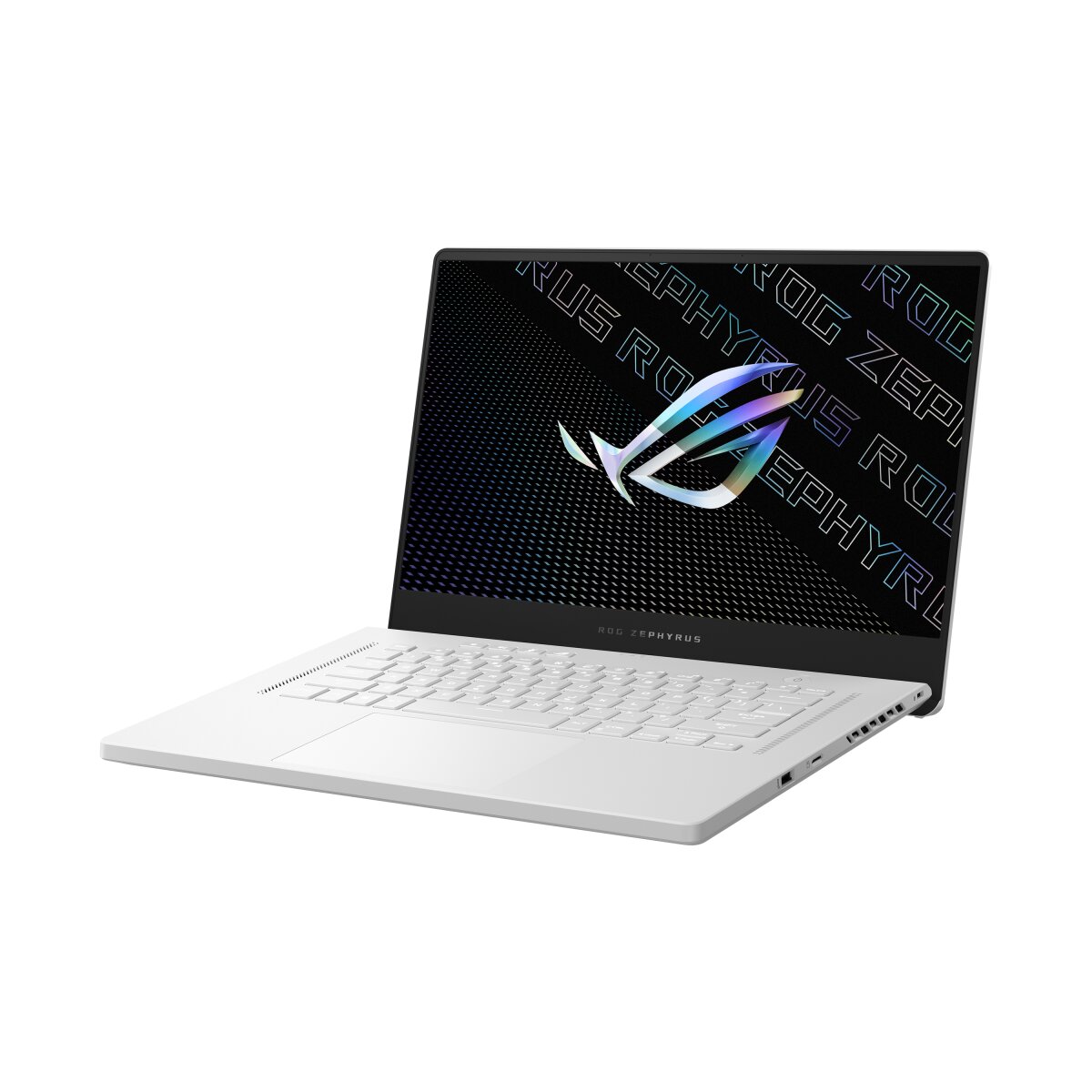
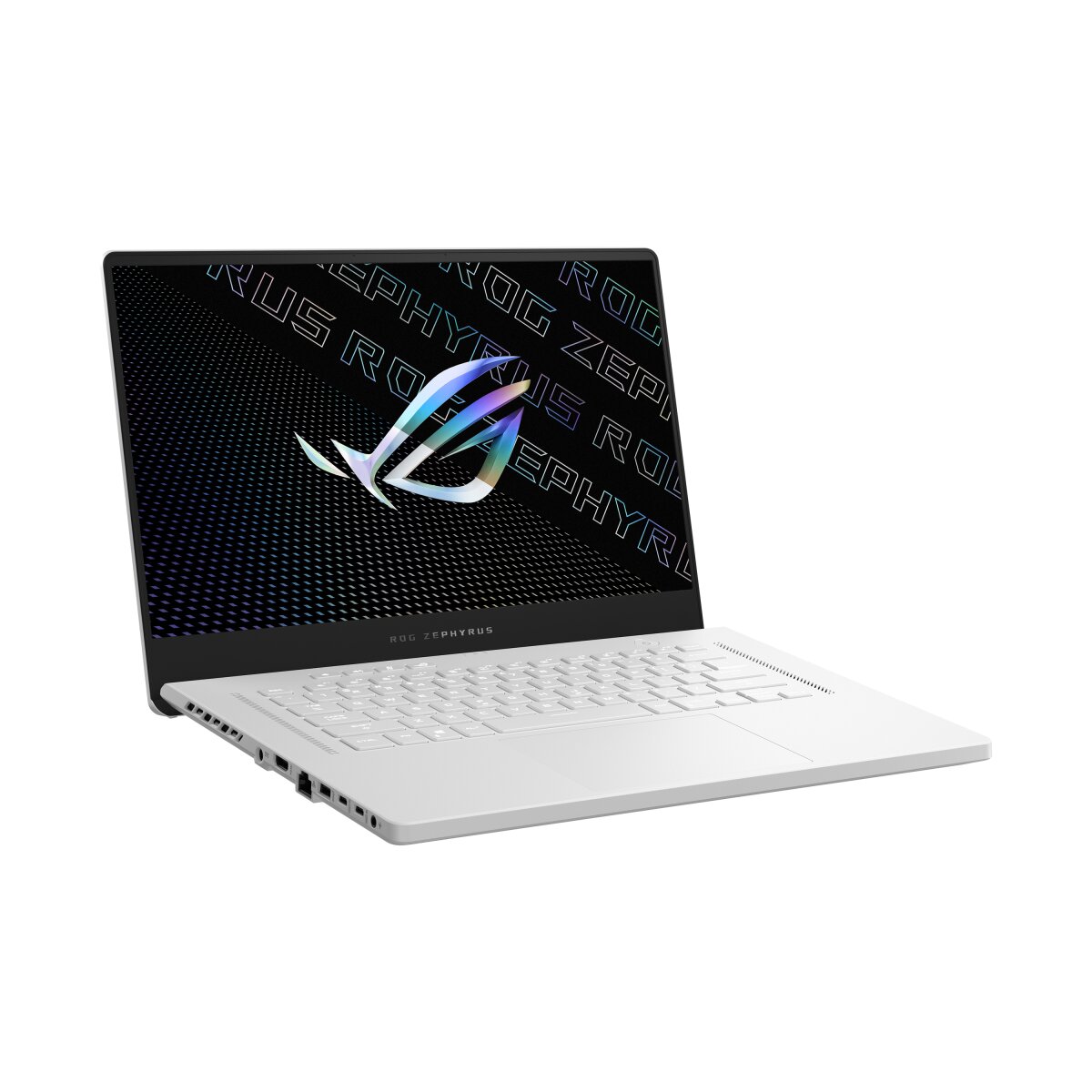
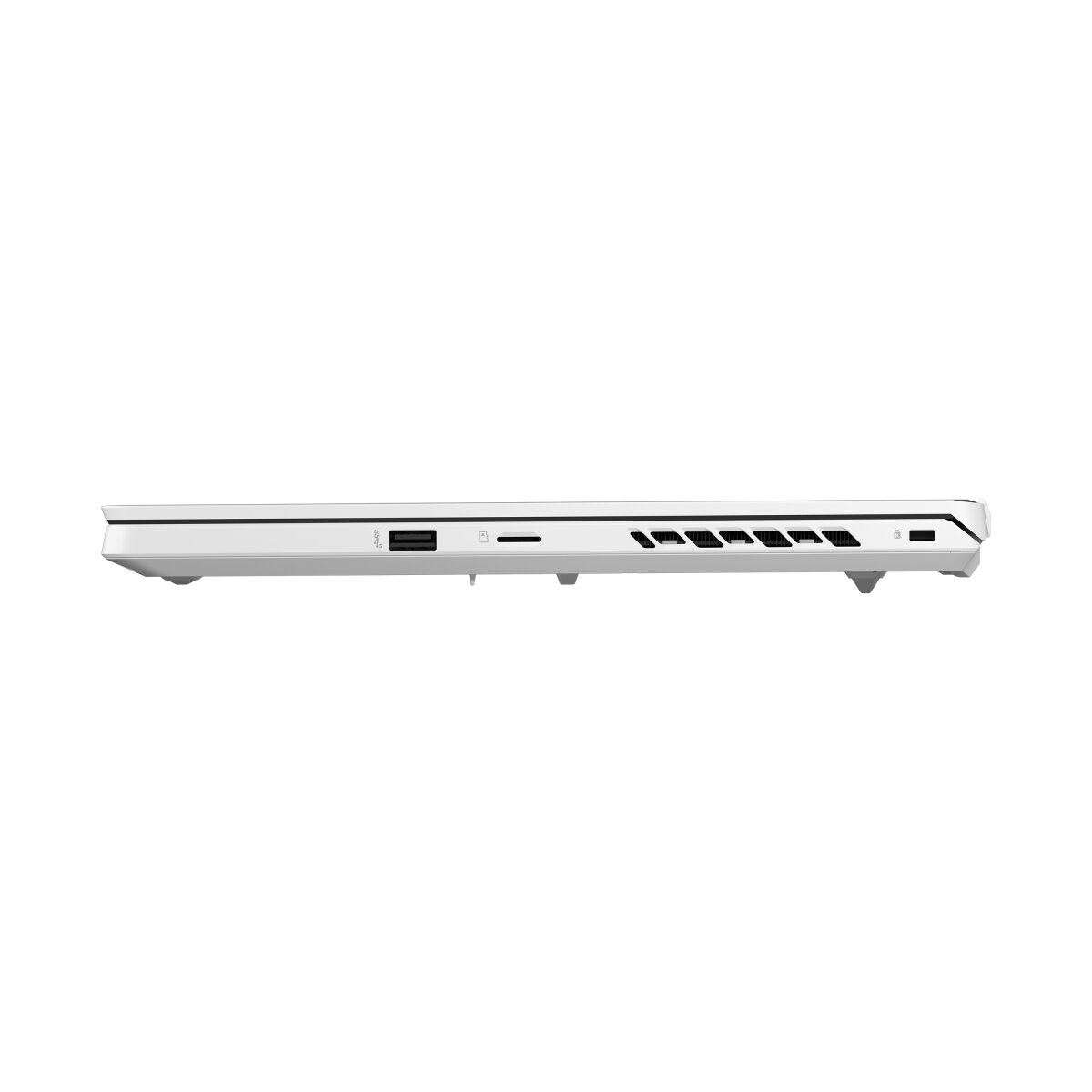
ASUS ROG Zephyrus G15 GA503RX-LN006W laptop features DDR5-SDRAM memory upgrade capability with one SO-DIMM slot available for expansion. The system supports maximum RAM capacity of 48 GB total, combining on-board memory with the single SO-DIMM slot. Compatible memory modules operate at 4800 MHz frequency specifications. Upgrade options allow users to expand memory capacity beyond factory specifications using compatible DDR5 SO-DIMM modules designed for this gaming laptop model.
Memory Upgrade Specifications
| Specification | Value |
|---|---|
| Memory slots | 1x SO-DIMM |
| Form factor | On-board + SO-DIMM |
| Memory type | DDR5-SDRAM |
| Frequency | 4800 MHz |
| Maximum RAM | 48 GB |
| Voltage | 1.1V |
| Number of pins | 262-pin |
| Interface | PC5 |
| PC Speed Rating | PC5-4800 (PC5-38400) |
| Bandwidth | 38.4 GB/s |
| Laptop Release date | 28 November 2021 |
Additional Notes
- The ASUS ROG GA503RX-LN006W combines soldered memory with a single expansion slot, creating an asymmetric dual-channel configuration that limits upgrade flexibility compared to traditional 2-slot designs.
- The 48 GB maximum capacity indicates 16 GB of non-removable soldered RAM, allowing only a 32 GB SO-DIMM module as the largest compatible upgrade without exceeding system limitations.
- Achieving the full 48 GB ceiling requires matching the soldered component with a 32 GB module, but mismatched capacity between channels may reduce peak memory bandwidth in applications that benefit from symmetric dual-channel operation.
- DDR5-4800 represents the baseline JEDEC standard speed, meaning modules rated at higher frequencies will downclock to 4800 MHz due to motherboard controller restrictions.
- The on-board memory component cannot be replaced or removed, making any factory-installed RAM a permanent fixture that determines the minimum system memory regardless of user modifications.
- Single SO-DIMM access means memory replacement requires only basic disassembly of the bottom panel, avoiding the complexity associated with dual-slot configurations positioned under keyboards or palmrests.
- DDR5 SO-DIMM modules operate at 1.1V nominal voltage, which is non-negotiable and eliminates voltage-related compatibility variables present in DDR4 systems.
- The asymmetric memory architecture prevents equal distribution of memory across channels, potentially impacting workloads that rely on balanced interleaved access patterns for sustained throughput.
- Installing a module with capacity lower than 16 GB results in total system memory below 32 GB, which may underutilize the dual-channel bandwidth available when both channels contain equal amounts.
- The soldered component's permanent nature means any manufacturing defects in the on-board RAM require motherboard-level service rather than simple module replacement.
- Memory upgrade costs scale non-linearly due to the need for high-density 32 GB SO-DIMM modules to reach maximum capacity, which typically carry premium pricing compared to standard 8 GB or 16 GB options.
- The 4800 MHz frequency specification applies to both the soldered and socketed components, enforcing clock synchronization that prevents speed mismatches between channels.