ASUS ROG GA503RX-LN042W RAM upgrade specifications


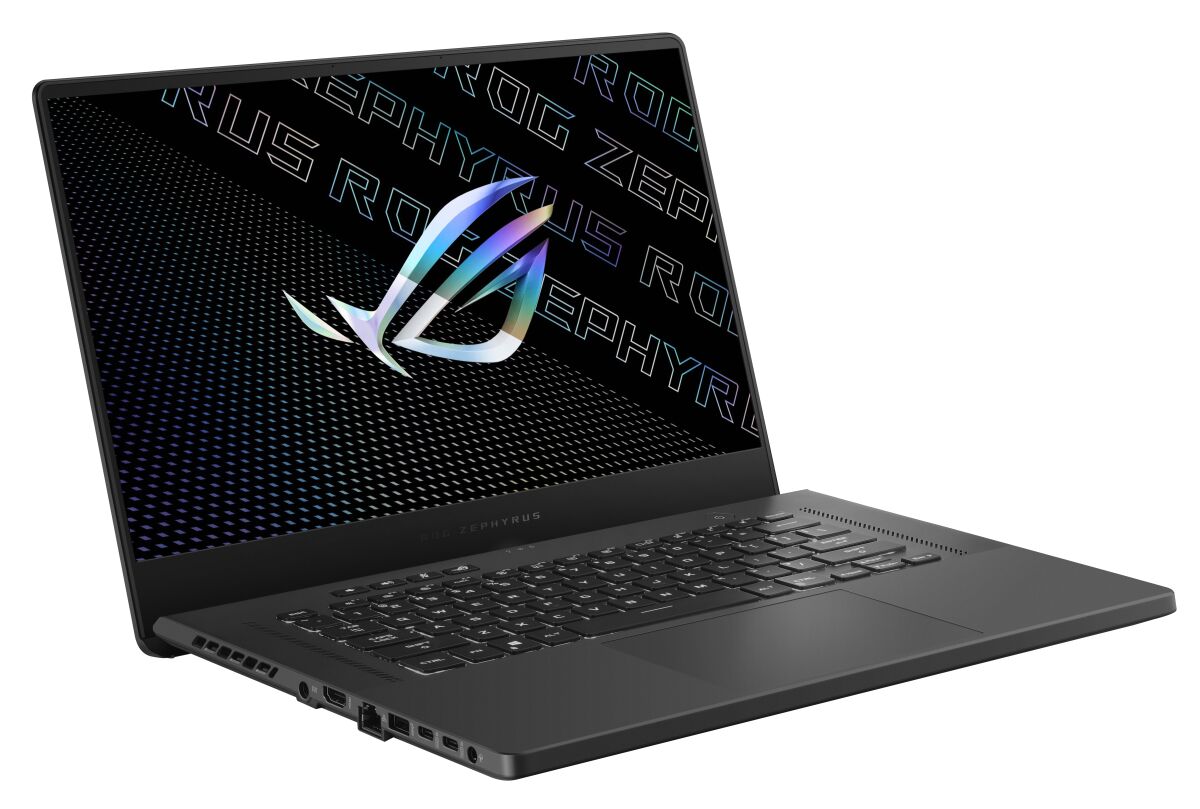

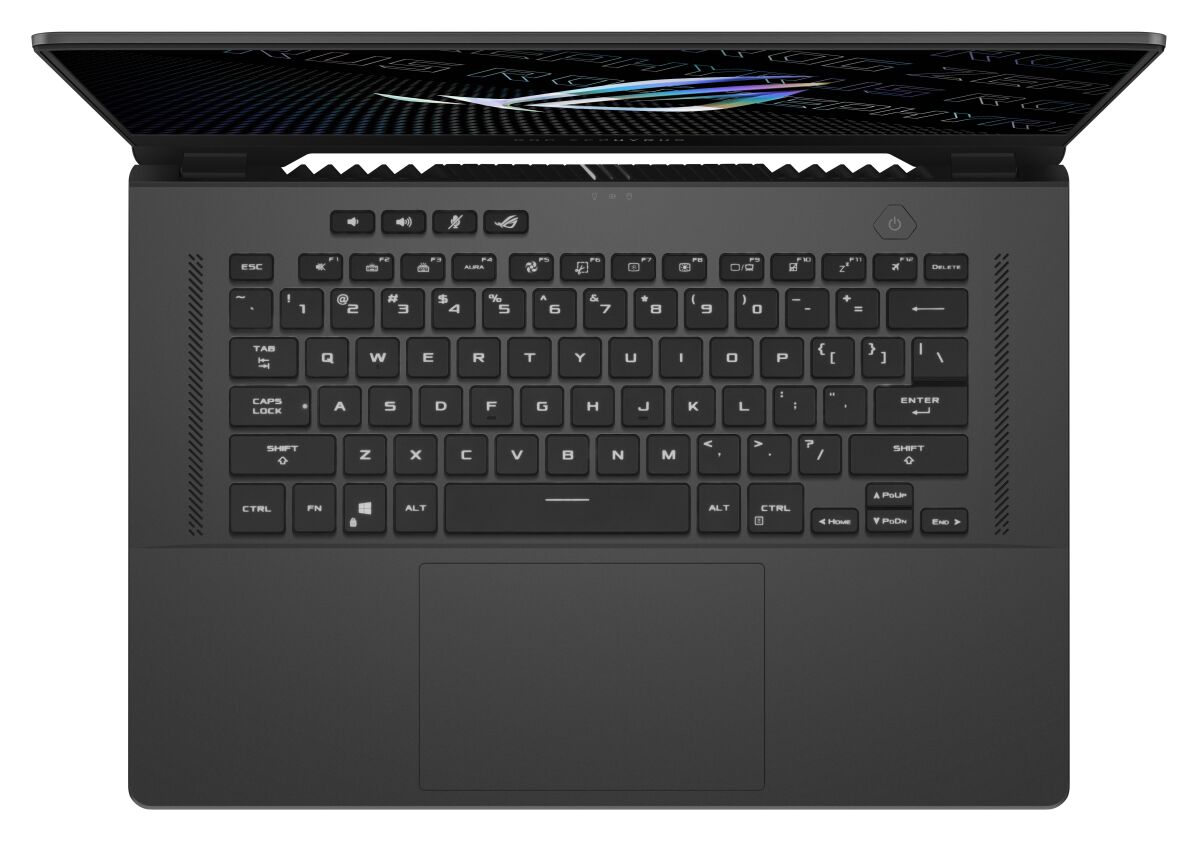
The ASUS ROG Zephyrus G15 GA503RX-LN042W features DDR5-SDRAM memory with one SO-DIMM upgrade slot. The laptop contains on-board memory soldered to the motherboard plus one replaceable SO-DIMM slot for RAM expansion. Maximum memory capacity reaches 48 GB when fully upgraded. Memory specifications support DDR5-SDRAM operating at 4800 MHz frequency. The SO-DIMM form factor provides the upgrade pathway for increased memory performance and multitasking capabilities on this gaming-class laptop model.
Memory Upgrade Specifications
| Specification | Value |
|---|---|
| Memory slots | 1x SO-DIMM |
| Form factor | On-board + SO-DIMM |
| Memory type | DDR5-SDRAM |
| Frequency | 4800 MHz |
| Maximum RAM | 48 GB |
| Voltage | 1.1V |
| Number of pins | 262-pin |
| Interface | PC5 |
| PC Speed Rating | PC5-4800 (PC5-38400) |
| Bandwidth | 38.4 GB/s |
| Laptop Release date | 25 March 2022 |
Additional Notes
- The on-board memory component is permanently soldered to the motherboard and cannot be removed or replaced, limiting future upgrade flexibility to the single SO-DIMM slot.
- The ASUS ROG GA503RX-LN042W achieves its 48 GB maximum capacity through an asymmetric configuration combining fixed soldered memory with a single removable module, preventing symmetric dual-channel operation at maximum capacity.
- DDR5 modules operating at speeds exceeding 4800 MHz will downclock to match the system's native frequency, eliminating any performance benefit from higher-rated memory.
- The single SO-DIMM slot architecture restricts memory expansion to one upgrade event, as replacing the module discards the previous aftermarket investment.
- Dual-channel bandwidth performance depends on the capacity relationship between the soldered memory and the SO-DIMM module, with only the matched portion operating in dual-channel mode.
- Voltage compatibility becomes critical since DDR5 SO-DIMM modules must match the electrical specifications of the permanent on-board memory to ensure system stability.
- The hybrid memory architecture complicates capacity planning, as the fixed soldered amount determines the baseline that any SO-DIMM addition must consider for optimal channel interleaving.
- Removal of the laptop's bottom panel is required to access the SO-DIMM slot, which may involve breaking warranty seals depending on regional consumer protection regulations.
- Memory timing mismatches between the on-board component and aftermarket SO-DIMM modules will resolve to the looser timings, potentially reducing performance below the system's designed specifications.
- The 4800 MHz frequency represents DDR5's baseline JEDEC standard speed, offering no headroom for performance tuning through XMP or EXPO profiles in this laptop platform.