ASUS ROG GU603VI-N4018X RAM upgrade specifications

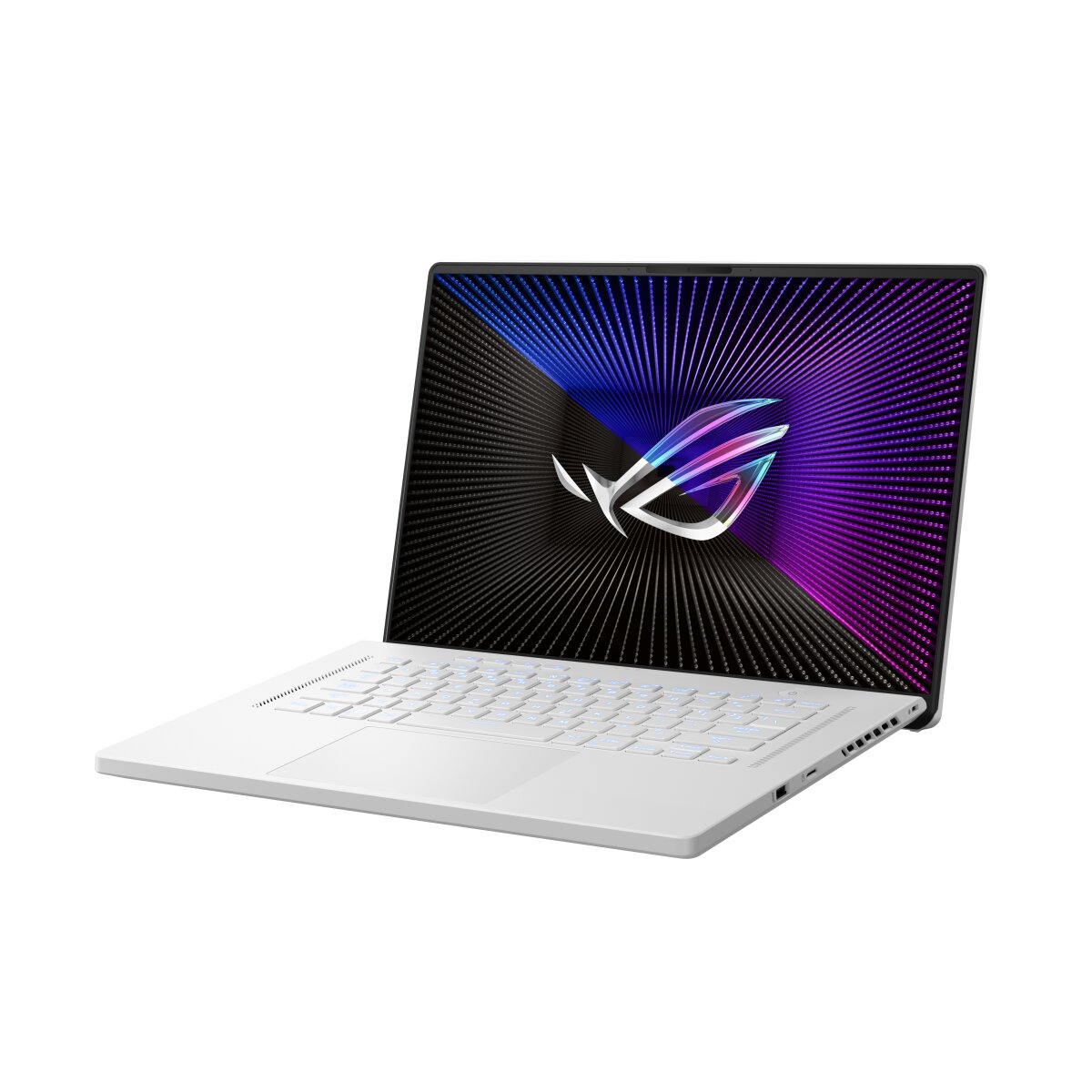



ASUS ROG Zephyrus G16 model GU603VI-N4018X features DDR4-SDRAM memory upgrade specifications. The laptop contains one SO-DIMM slot for RAM expansion, with maximum supported capacity of 48 GB. Compatible memory modules operate at 3200 MHz frequency. The system utilizes a hybrid memory configuration combining on-board and SO-DIMM components. RAM upgrades for this model require DDR4 specifications matching the designated frequency and form factor for optimal compatibility and performance.
Memory Upgrade Specifications
| Specification | Value |
|---|---|
| Memory slots | 1x SO-DIMM |
| Form factor | On-board + SO-DIMM |
| Memory type | DDR4-SDRAM |
| Frequency | 3200 MHz |
| Maximum RAM | 48 GB |
| Voltage | 1.2V |
| Number of pins | 260-pin |
| Interface | PC4 |
| PC Speed Rating | PC4-3200 (PC4-25600) |
| Bandwidth | 25.6 GB/s |
| Laptop Release date | 19 March 2023 |
Additional Notes
- The presence of on-board memory means a portion of the system RAM is non-removable and soldered directly to the motherboard.
- The single available SO-DIMM slot in the ASUS ROG GU603VI-N4018X limits dual-channel memory configurations to the capacity of the soldered chip plus an equivalent external module.
- Installing a module larger than the soldered capacity results in an asynchronous dual-channel mode where only the matched portion operates at peak bandwidth.
- Total memory expansion is restricted by the 48 GB ceiling, indicating that a 32 GB module is the highest compatible density for the single expansion slot.
- System latency is dictated by the slowest memory component between the fixed on-board chips and the user-installed module.
- Upgrading the SO-DIMM does not require a BIOS flash but may trigger a longer initial boot cycle for memory retraining.
- Clock speeds exceeding 3200 MHz will automatically downclock to match the hardware controller limit of the processor.
- Accessing the memory slot requires removal of the bottom chassis panel, which exposes internal components to potential electrostatic discharge risks during installation.