ASUS ROG GU603ZU-N3019 RAM upgrade specifications
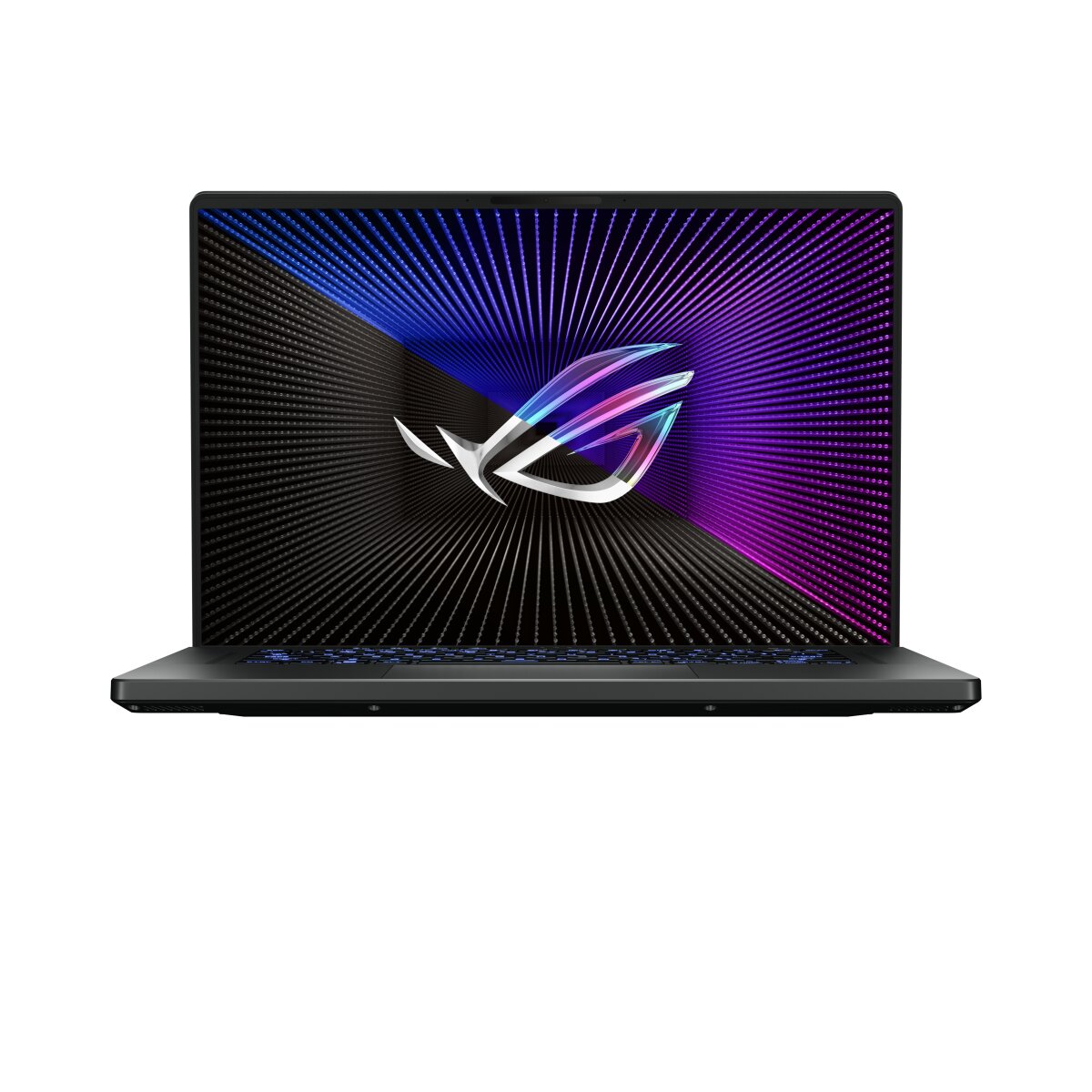

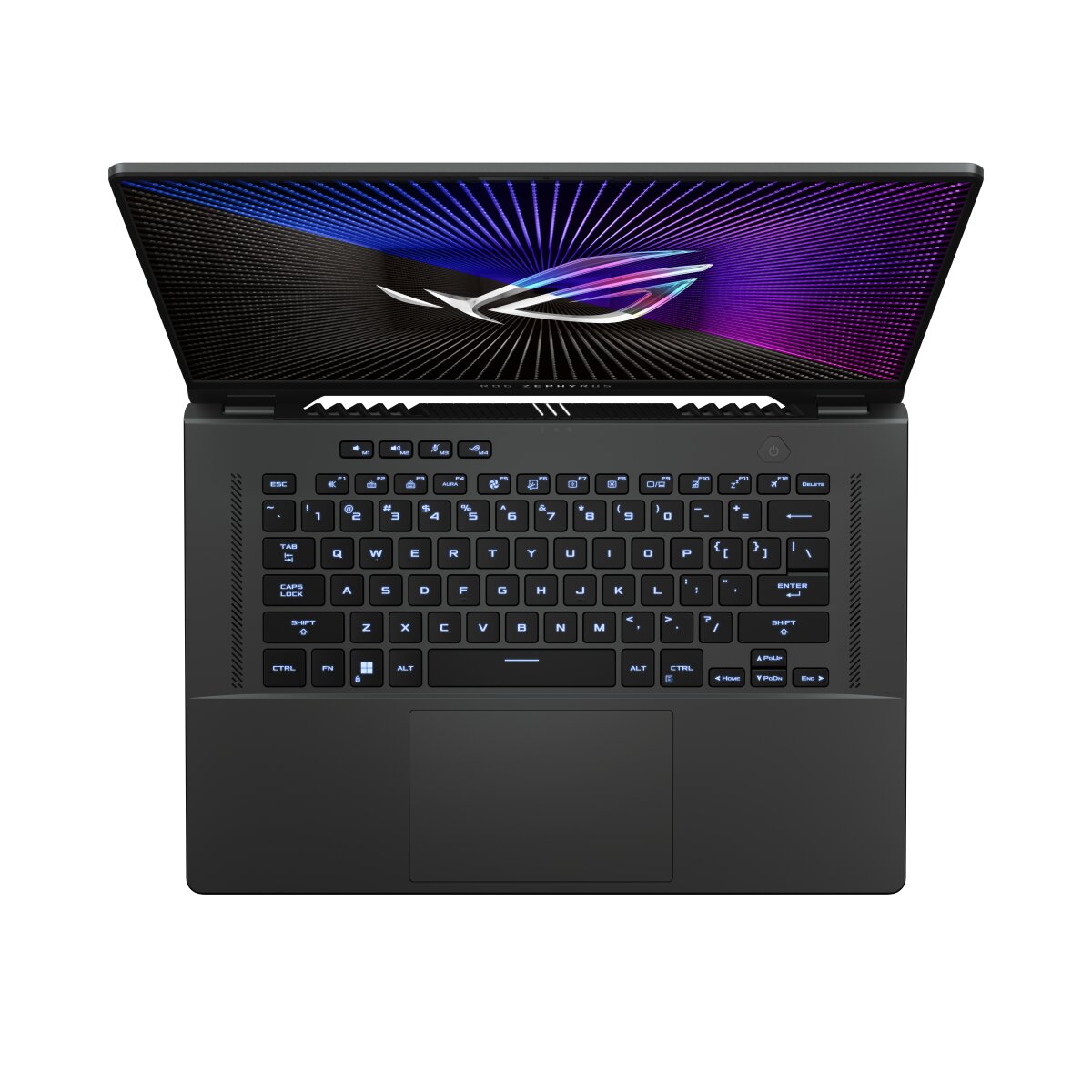
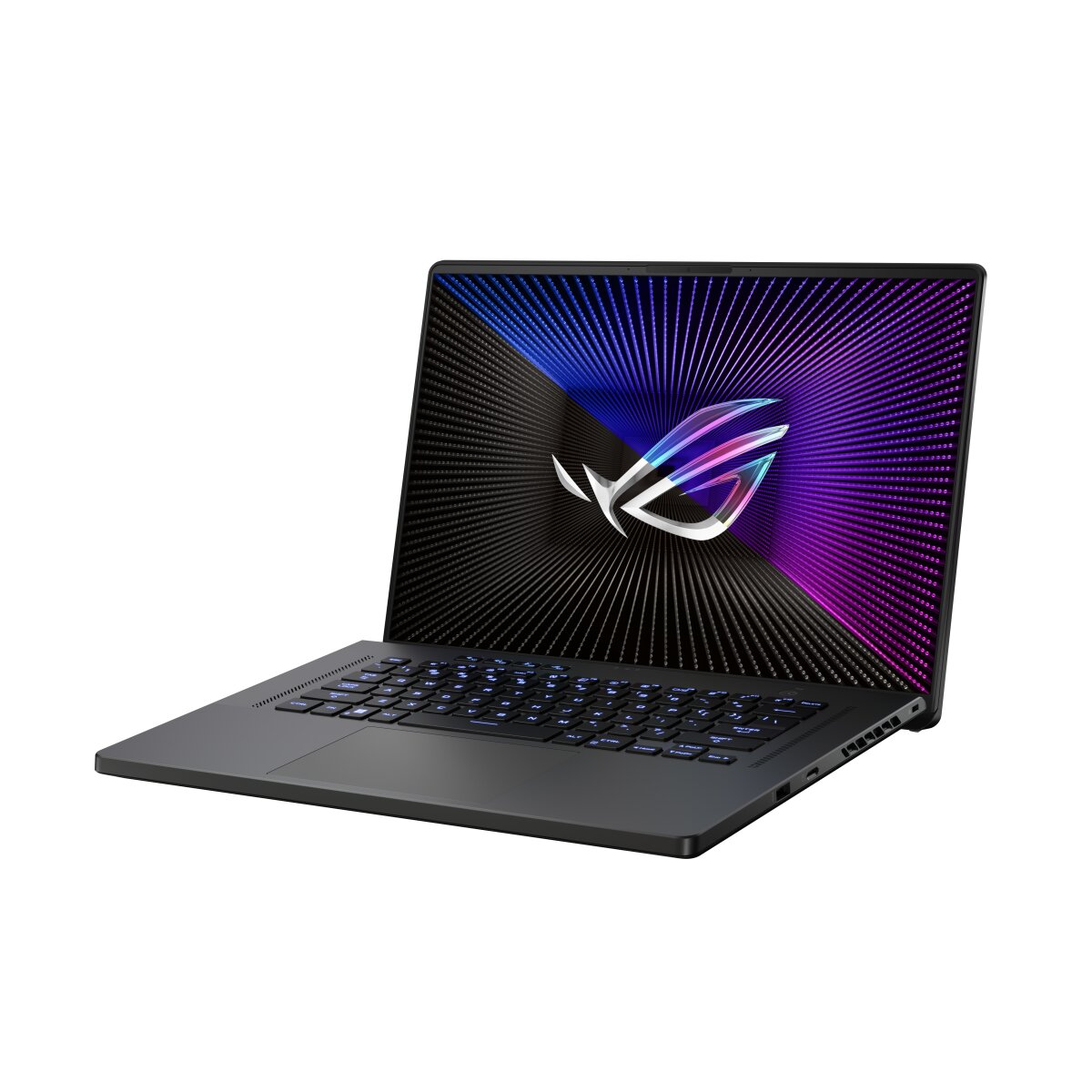
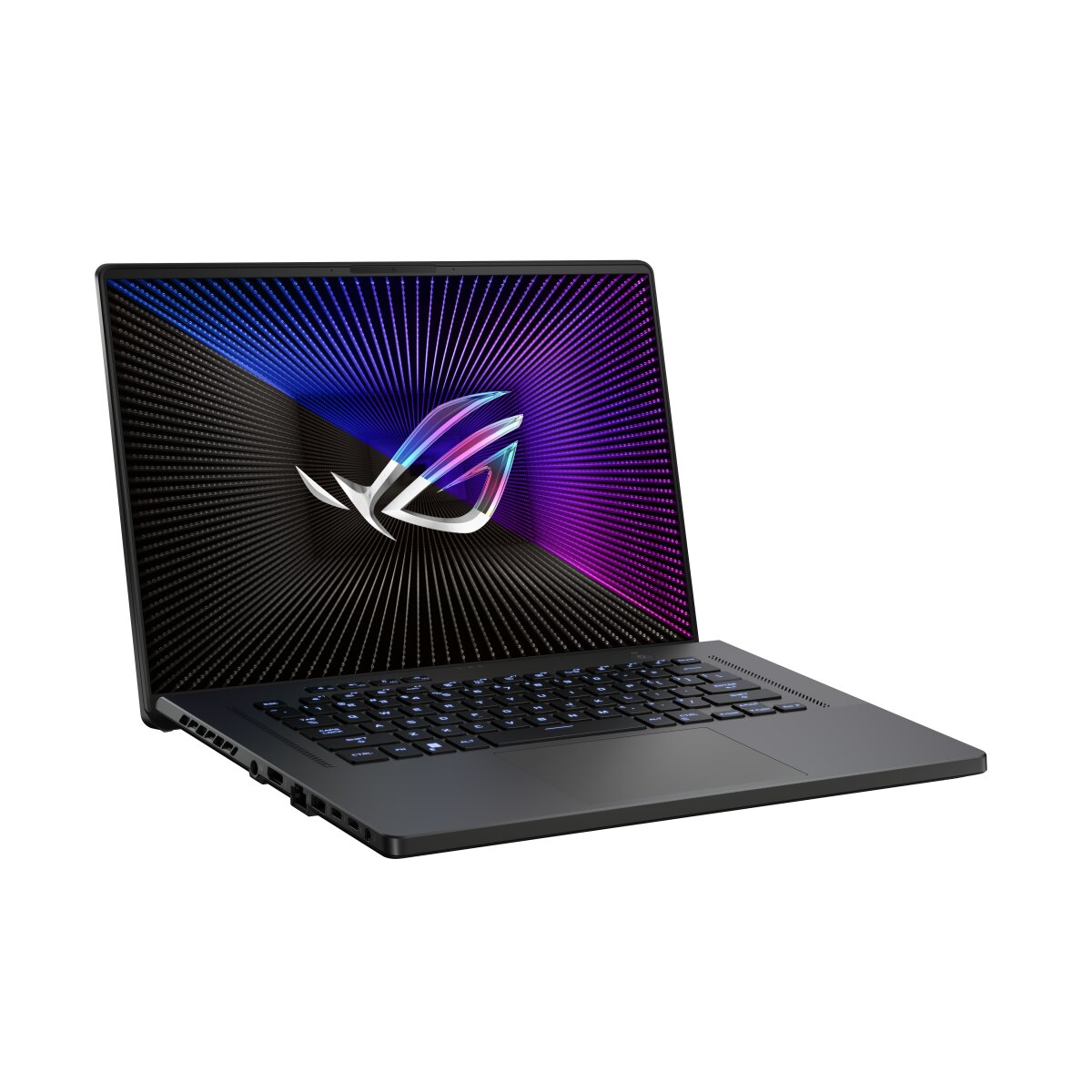
ASUS ROG Zephyrus G16 model GU603ZU-N3019 features DDR4-SDRAM memory upgrade specifications. The laptop contains 1x SO-DIMM slot for memory expansion, with maximum supported capacity of 48 GB RAM. Compatible upgrades operate at 3200 MHz frequency. Memory configuration includes on-board soldered memory combined with single replaceable SO-DIMM slot, enabling users to expand the laptop's total RAM capacity through compatible DDR4-SDRAM modules meeting the specified frequency and form factor requirements.
Memory Upgrade Specifications
| Specification | Value |
|---|---|
| Memory slots | 1x SO-DIMM |
| Form factor | On-board + SO-DIMM |
| Memory type | DDR4-SDRAM |
| Frequency | 3200 MHz |
| Maximum RAM | 48 GB |
| Voltage | 1.2V |
| Number of pins | 260-pin |
| Interface | PC4 |
| PC Speed Rating | PC4-3200 (PC4-25600) |
| Bandwidth | 25.6 GB/s |
| Laptop Release date | 01 March 2023 |
Additional Notes
- The ASUS ROG GU603ZU-N3019 employs a hybrid memory architecture where a portion of RAM is soldered directly to the motherboard while a single SO-DIMM slot remains accessible for expansion.
- The 48 GB maximum capacity indicates 16 GB of non-removable soldered memory, leaving the SO-DIMM slot to accept a 32 GB module as the ceiling for user upgrades.
- DDR4-3200 represents the baseline specification, meaning higher frequency modules will downclock to match this speed due to controller limitations, eliminating any performance benefit from premium-speed RAM.
- The single-slot configuration prevents dual-channel memory operation if the soldered component fails, potentially reducing memory bandwidth to half the design specification until professional board-level repair occurs.
- SO-DIMM modules must match the existing 3200 MHz frequency and voltage specifications to maintain system stability, as mismatched timings can cause POST failures or force the entire memory subsystem to operate at reduced speeds.
- Physical access to the SO-DIMM slot typically requires complete bottom panel removal, which may involve breaking warranty seals depending on regional service policies and the specific warranty terms in effect.
- The hybrid architecture limits troubleshooting options when memory errors occur, as diagnostic tools cannot isolate whether faults originate from the soldered component or the removable module without sequential testing.
- Heat dissipation differs between soldered and socketed memory, with the SO-DIMM module relying on chassis airflow rather than direct thermal contact with the motherboard, potentially affecting sustained performance under thermal throttling conditions.
- Upgrading beyond the soldered capacity requires purchasing a single high-density module, which carries a cost premium per gigabyte compared to equivalent dual-module kits designed for systems with 2 available slots.
- The DDR4 specification at 3200 MHz operates at 1.2 volts standard, and modules advertised for higher voltages like 1.35-volt XMP profiles may not initialize correctly or could revert to JEDEC standard timings, negating marketed performance characteristics.