ASUS ROG GU603ZU-N3021 RAM upgrade specifications
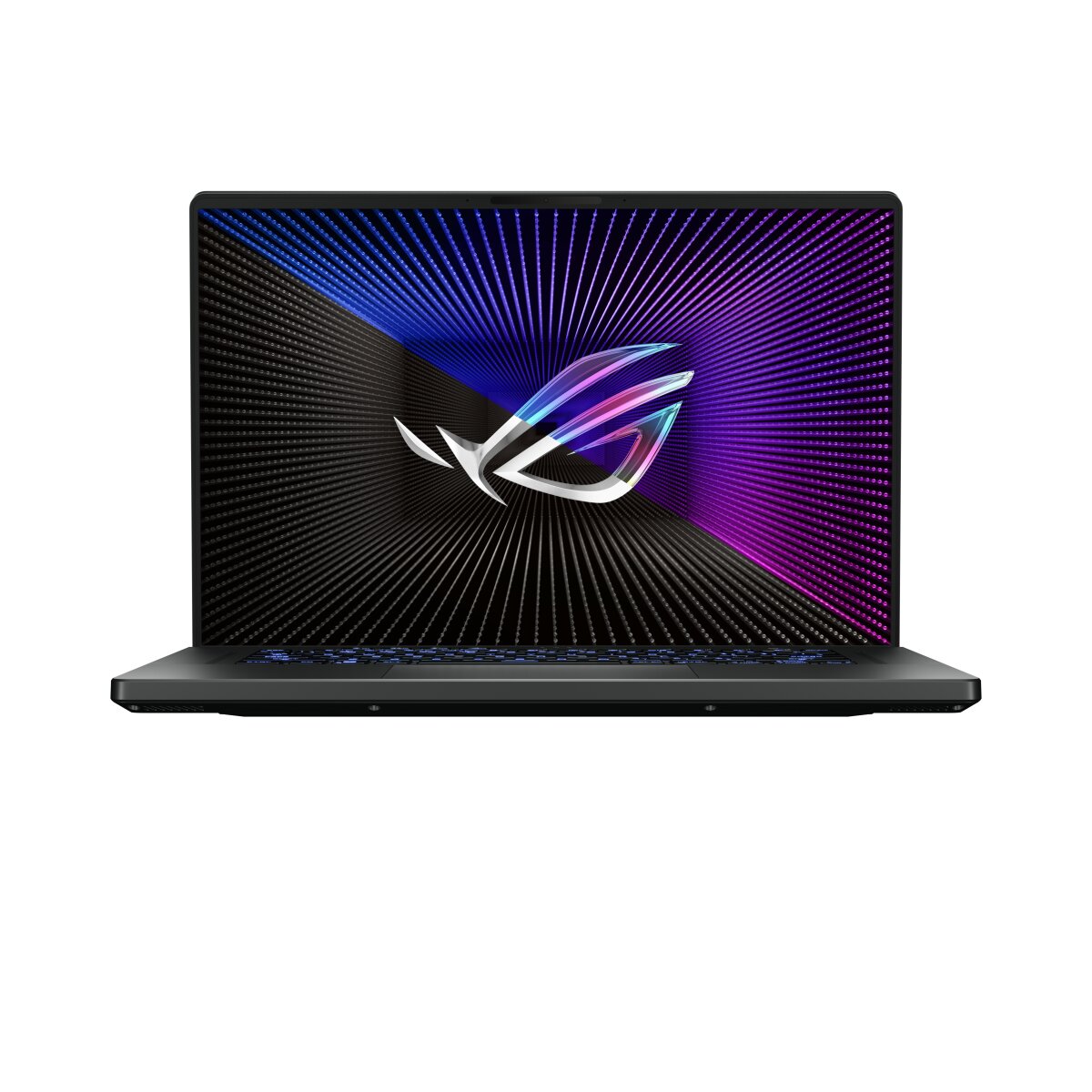
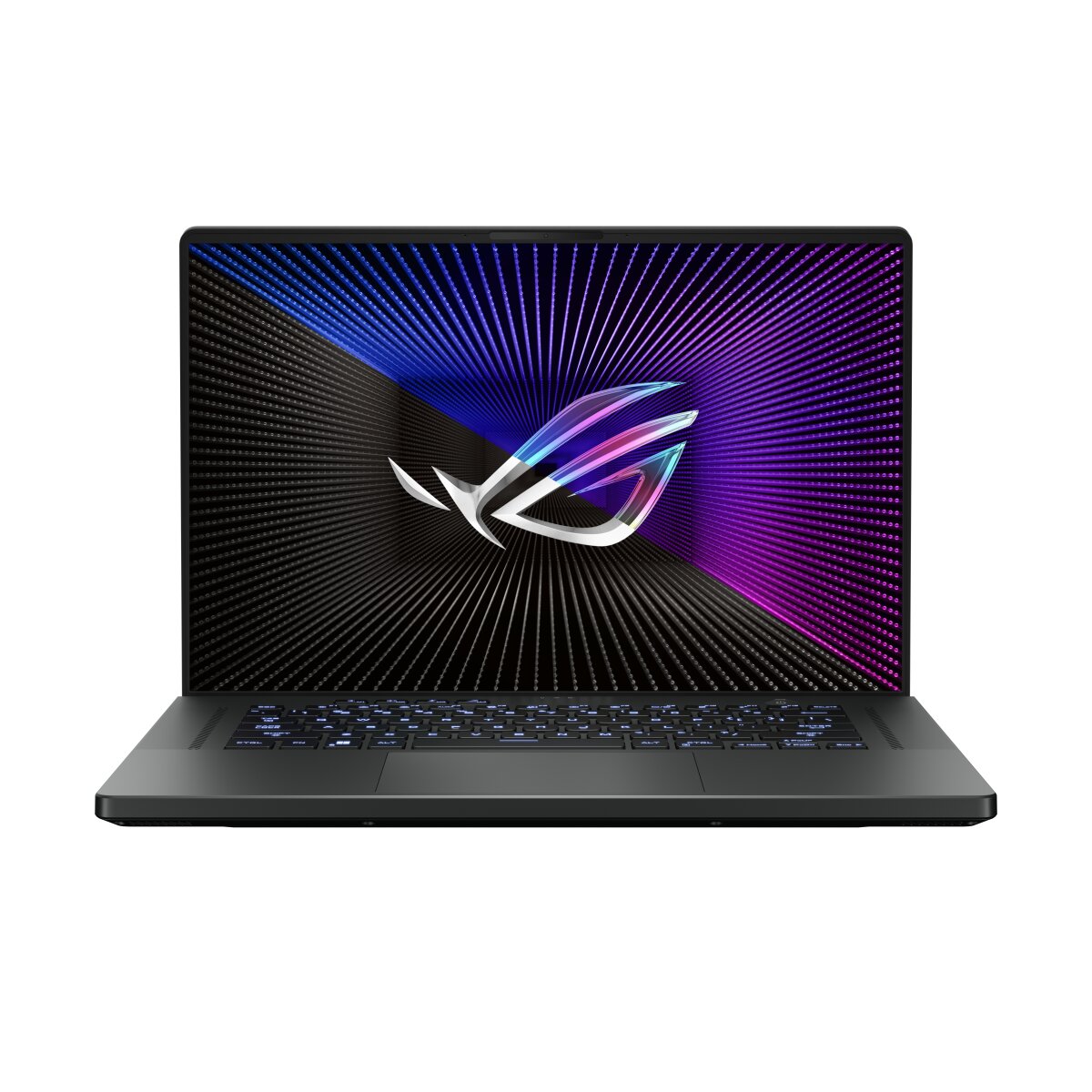
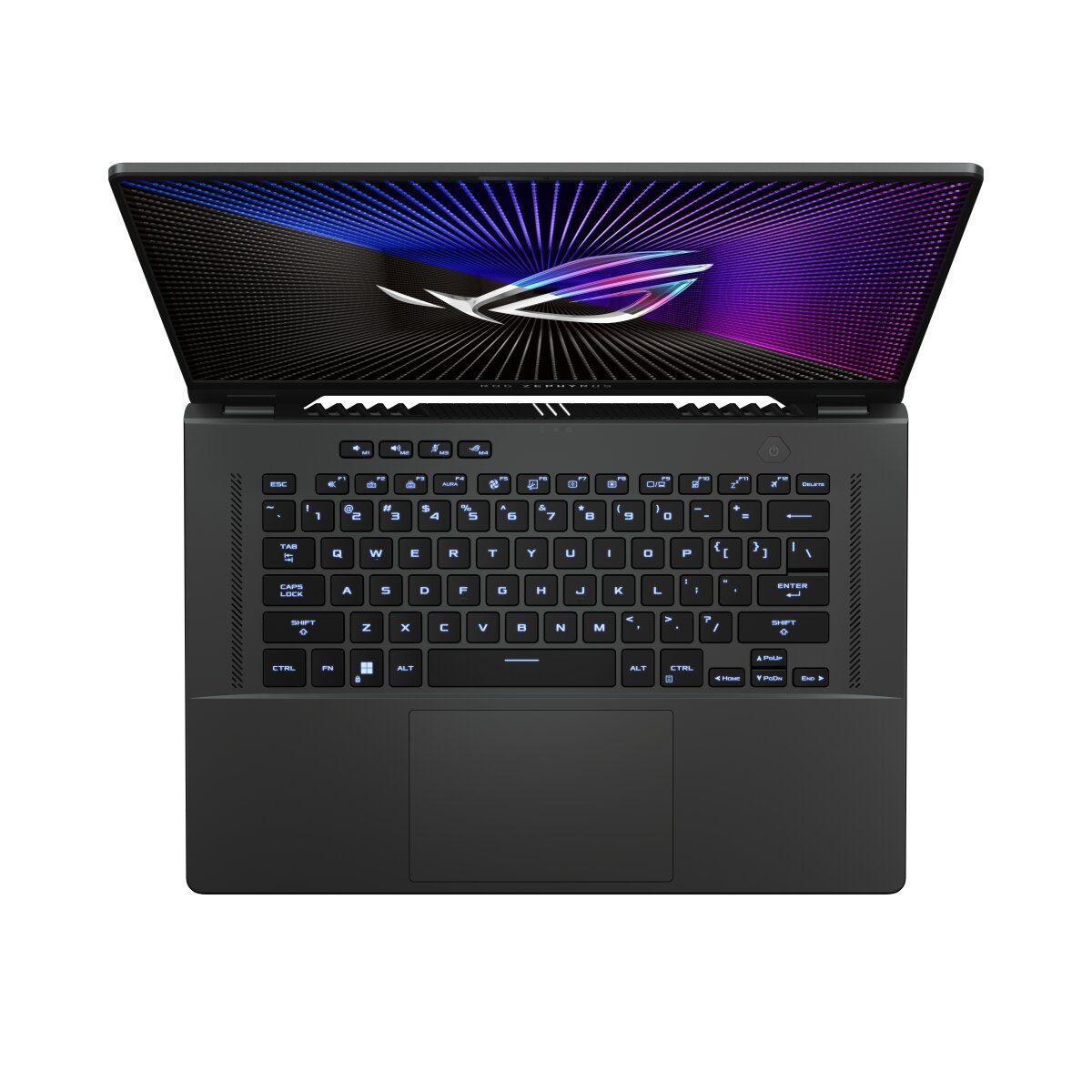
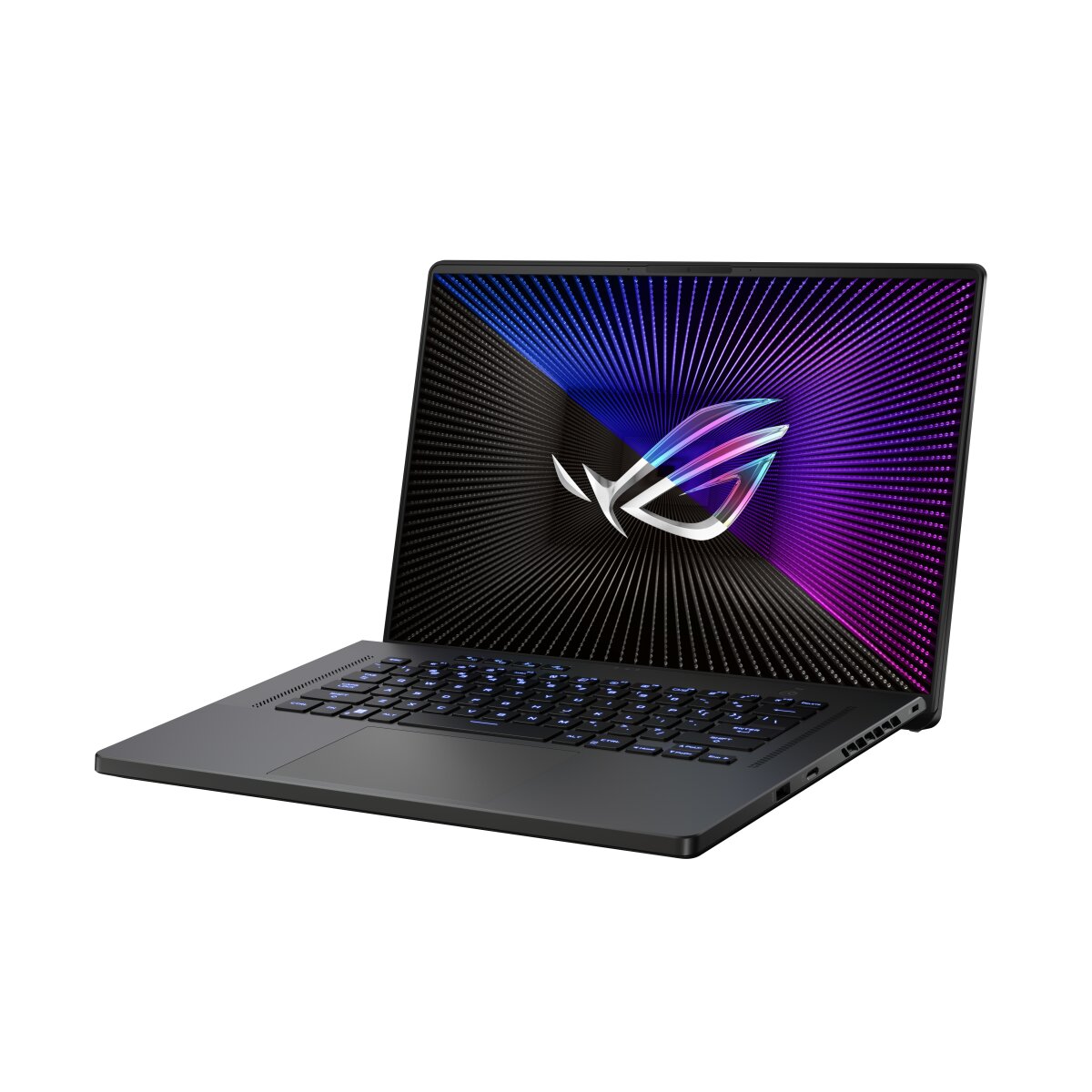
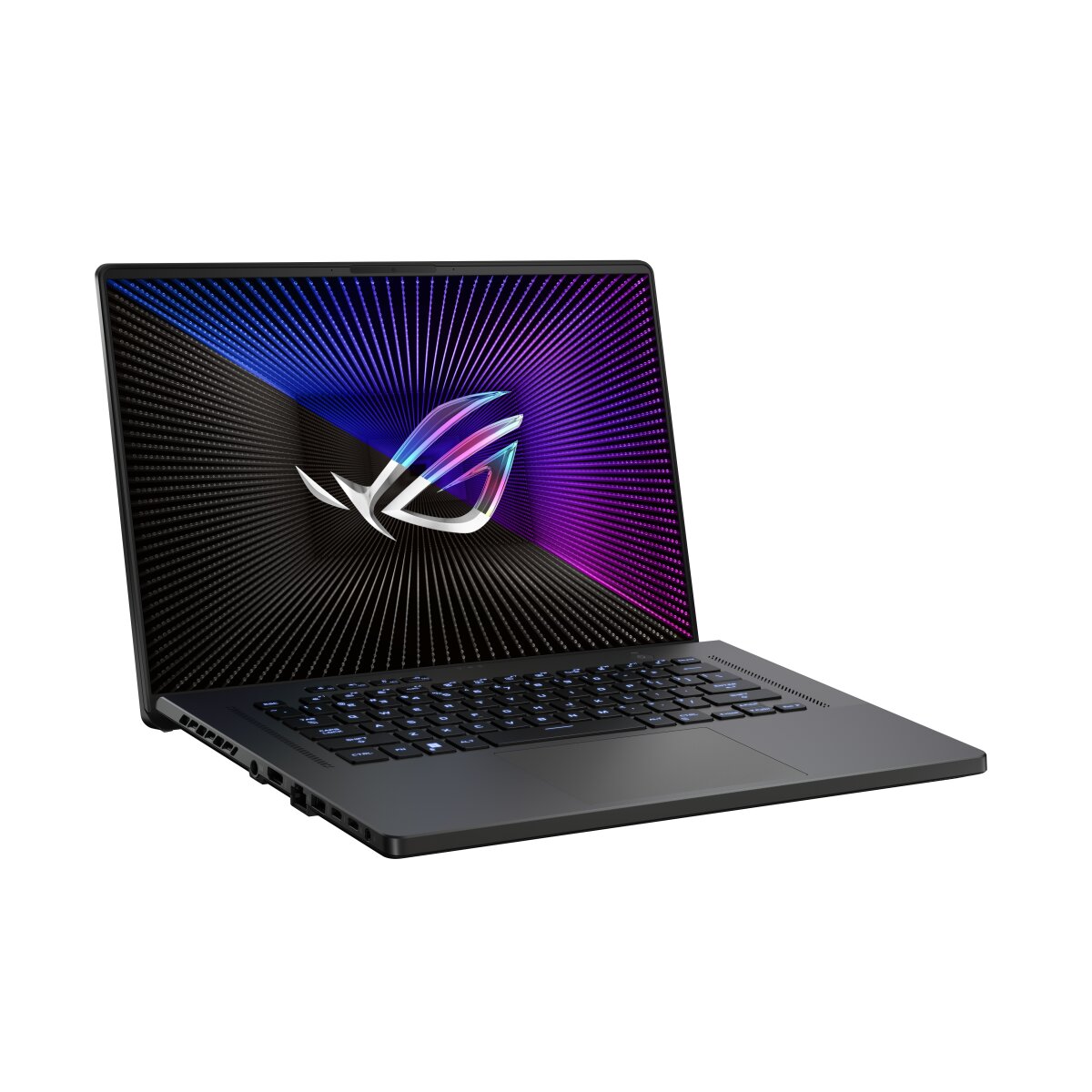
ASUS ROG Zephyrus G16 model GU603ZU-N3021 features DDR4-SDRAM memory specifications compatible with a maximum RAM capacity of 48 GB. The laptop contains one SO-DIMM slot available for upgrade, utilizing on-board memory combined with removable SO-DIMM modules. Memory operates at 3200 MHz frequency. The upgrade configuration allows users to expand the system's memory capacity by installing compatible DDR4 modules in the available SO-DIMM slot to reach maximum specifications supported by the platform.
Memory Upgrade Specifications
| Specification | Value |
|---|---|
| Memory slots | 1x SO-DIMM |
| Form factor | On-board + SO-DIMM |
| Memory type | DDR4-SDRAM |
| Frequency | 3200 MHz |
| Maximum RAM | 48 GB |
| Voltage | 1.2V |
| Number of pins | 260-pin |
| Interface | PC4 |
| PC Speed Rating | PC4-3200 (PC4-25600) |
| Bandwidth | 25.6 GB/s |
| Laptop Release date | 01 March 2023 |
Additional Notes
- The ASUS ROG GU603ZU-N3021 features a hybrid memory architecture combining soldered onboard RAM with a single accessible SO-DIMM slot, limiting future expansion flexibility compared to dual-slot configurations.
- The 48 GB maximum capacity indicates 16 GB permanently soldered to the motherboard, allowing only a single 32 GB SO-DIMM module addition to reach the advertised limit.
- DDR4-3200 operates at lower bandwidth than DDR5 alternatives, constraining memory-intensive applications such as video rendering, large dataset processing, and high-resolution texture streaming in modern gaming environments.
- Single-channel operation occurs when the system runs exclusively on the soldered memory without an additional SO-DIMM installed, reducing memory throughput by approximately 50 percent in bandwidth-sensitive workloads.
- Installing a SO-DIMM module with capacity differing from the onboard memory prevents full dual-channel operation across the entire memory pool, creating asymmetric channel configuration.
- The single SO-DIMM slot design eliminates the possibility of matched-pair memory installation, which typically provides optimal stability and compatibility in dual-channel configurations.
- Upgrading to the maximum 48 GB requires purchasing a single 32 GB SO-DIMM module, representing a higher cost-per-gigabyte ratio than equivalent dual 16 GB module configurations.
- The onboard memory component remains non-serviceable without motherboard-level intervention, meaning memory failures affecting the soldered portion necessitate professional repair or motherboard replacement.
- SO-DIMM modules exceeding DDR4-3200 specifications may physically install but will downclock to match the 3200 MHz native frequency, offering no performance advantage despite potential cost premium.
- Memory timing and voltage compatibility between the soldered module and aftermarket SO-DIMM addition determines system stability, with mismatched specifications potentially causing boot failures or operational instability.
- Accessing the single SO-DIMM slot typically requires bottom panel removal and possible warranty seal disturbance, depending on regional warranty policies and seal placement.
- The SO-DIMM form factor physical specification measures 67.6 mm in length, requiring adequate clearance beneath the module socket for insertion and locking mechanism engagement.
- Memory upgrades maintain warranty validity in most jurisdictions under right-to-repair regulations, though verification of specific regional warranty terms remains advisable before modification.
- DDR4 SO-DIMM modules operate at 1.2 volts standard specification, with lower voltage variants offering negligible thermal or battery life improvements in gaming-oriented thermal designs.
- The 3200 MHz frequency represents JEDEC standard DDR4-3200 specification rather than overclocked XMP profiles, ensuring broad module compatibility without BIOS configuration requirements.