ASUS ROG GU603ZV-N3009W RAM upgrade specifications
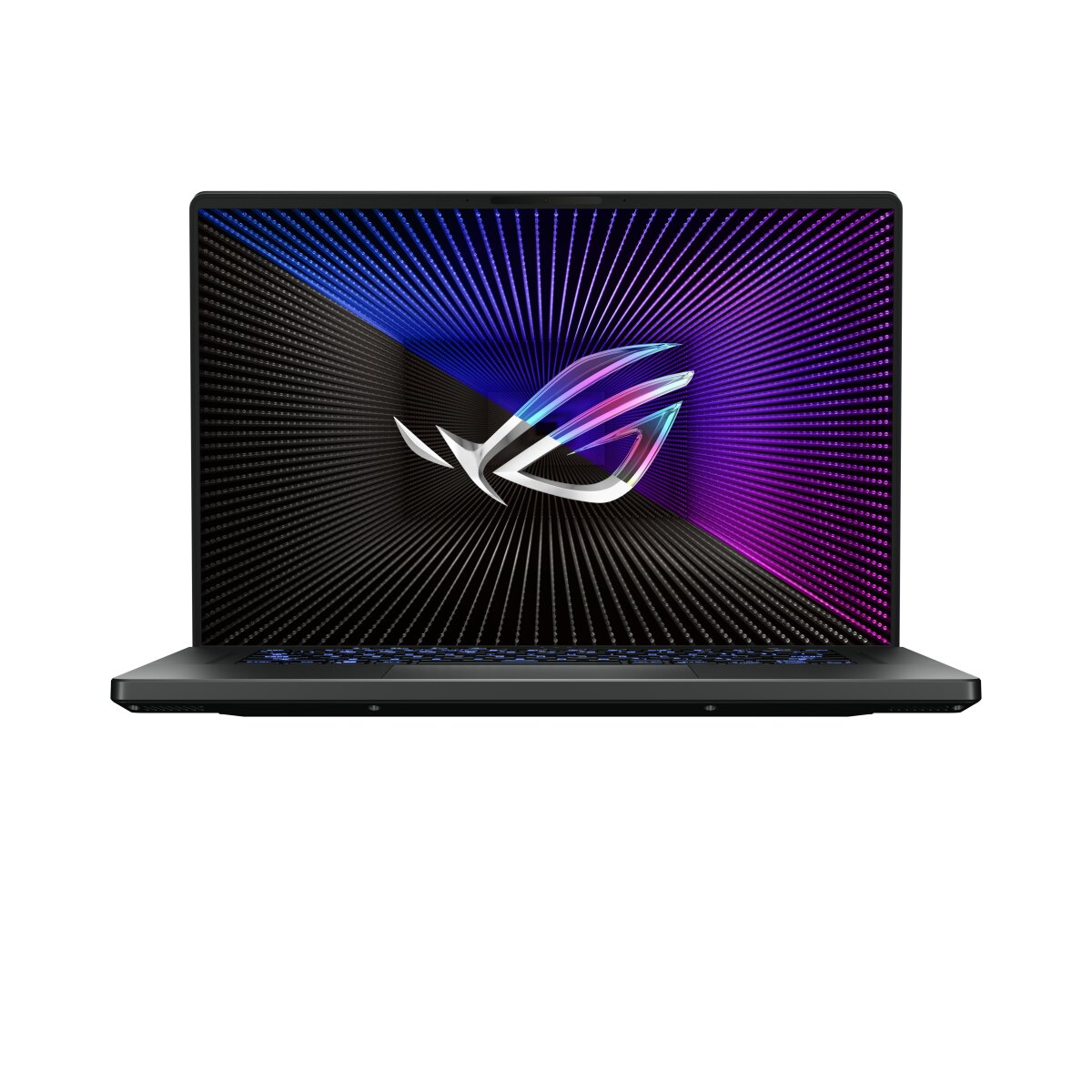

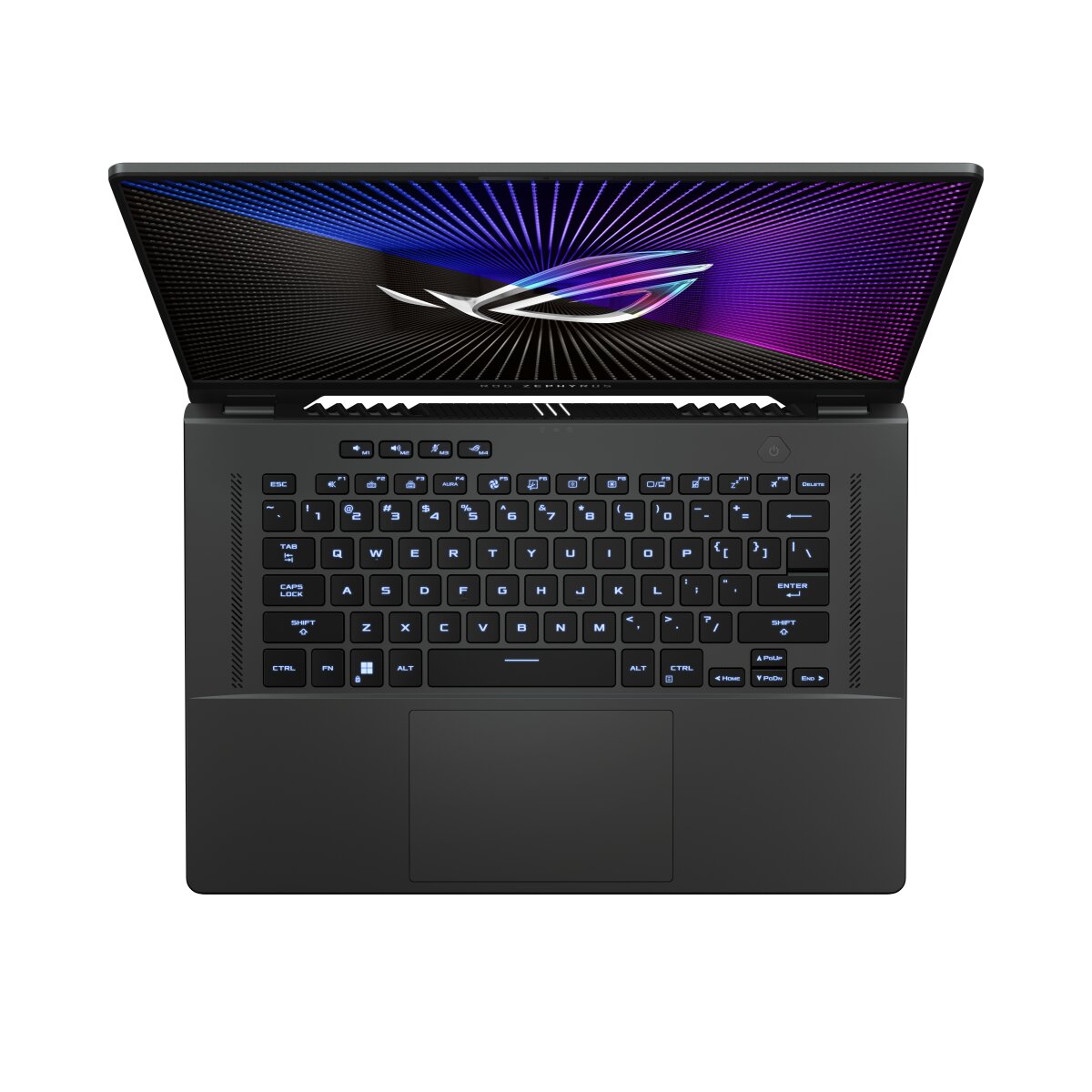
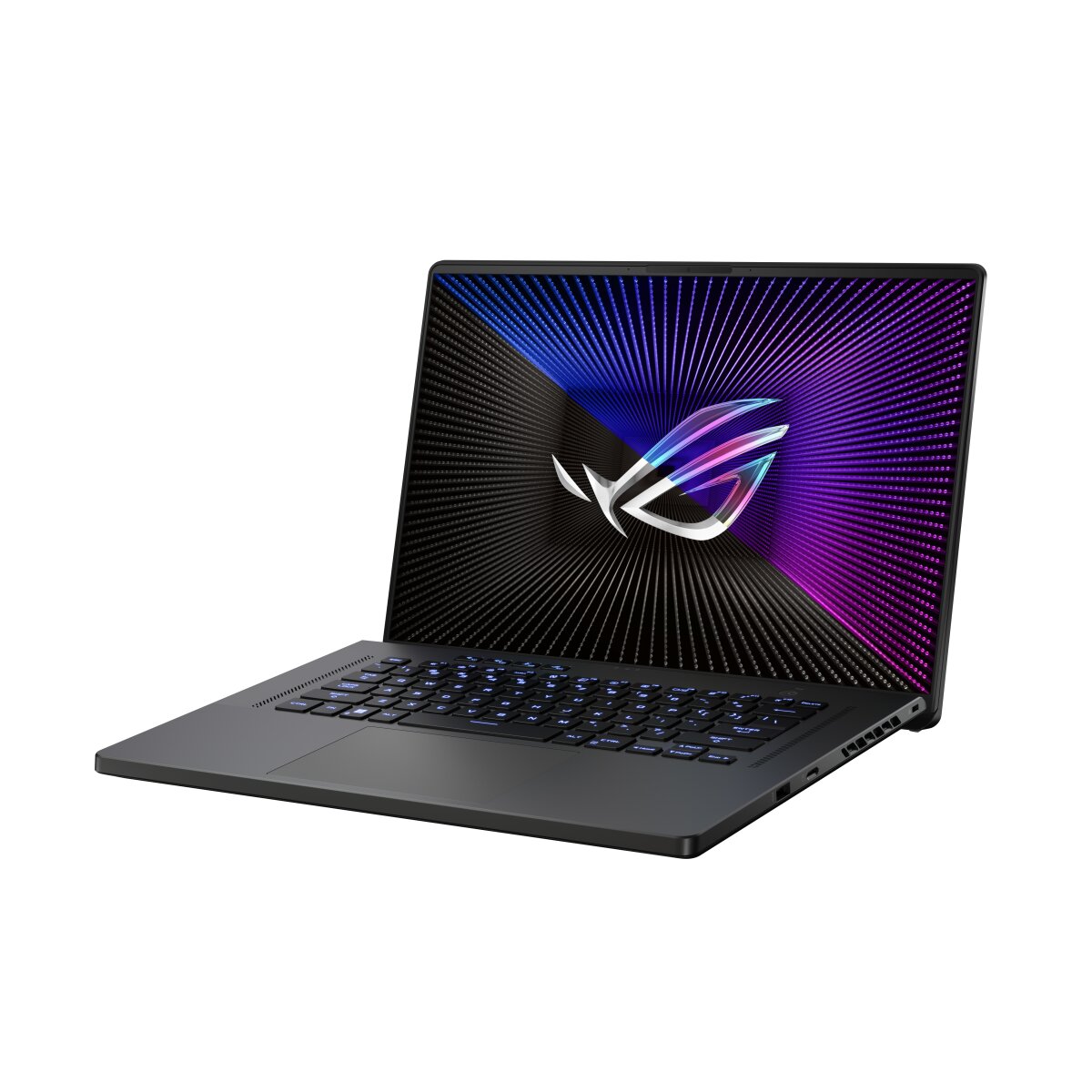
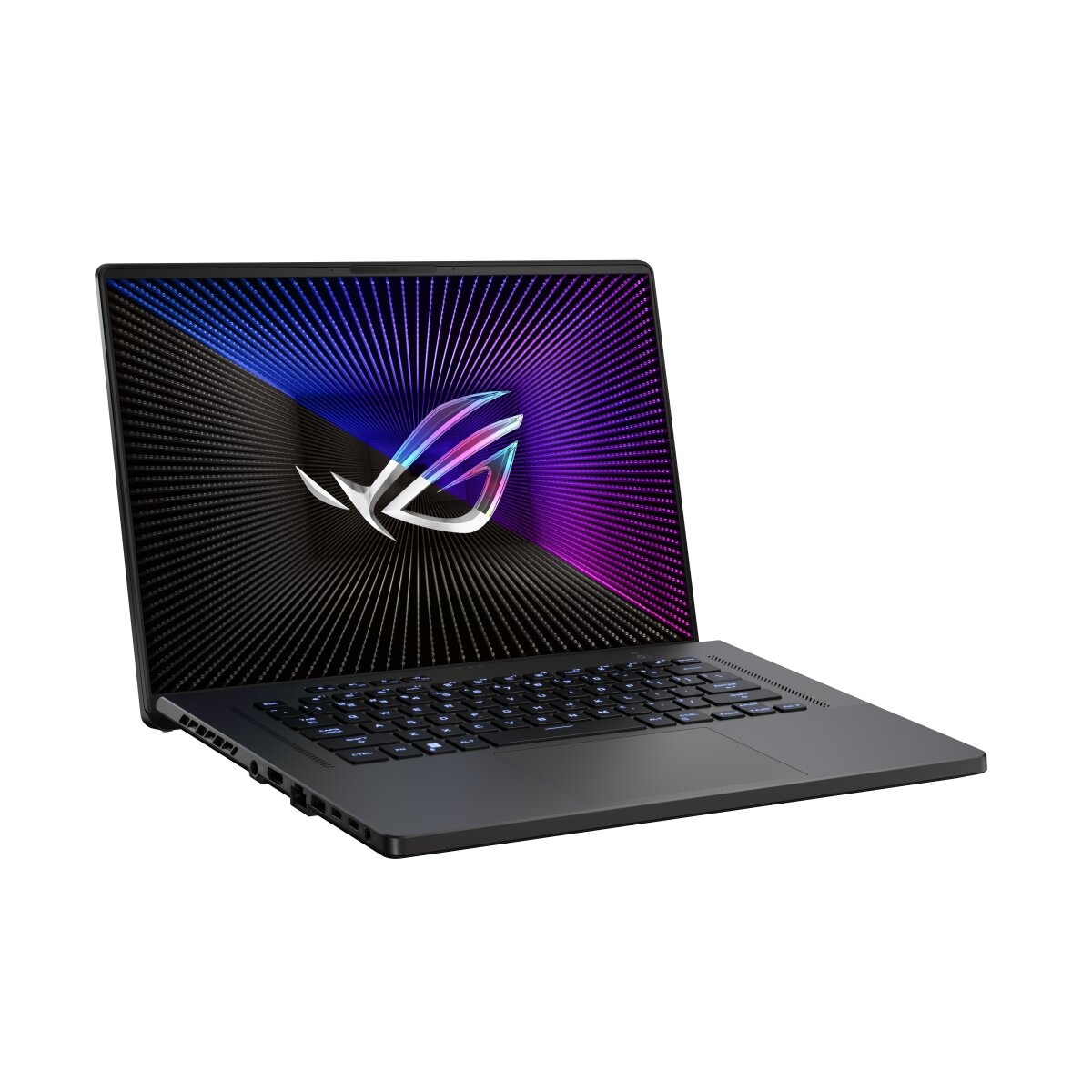
ASUS ROG Zephyrus G16 model GU603ZV-N3009W features DDR4-SDRAM memory specifications with one SO-DIMM slot available for upgrade. Compatible RAM modules support 3200 MHz frequency. The laptop contains on-board memory combined with one expandable SO-DIMM slot, enabling maximum memory capacity of 48 GB. Upgrade specifications support single DDR4 modules installed in the available slot to reach maximum supported capacity.
Memory Upgrade Specifications
| Specification | Value |
|---|---|
| Memory slots | 1x SO-DIMM |
| Form factor | On-board + SO-DIMM |
| Memory type | DDR4-SDRAM |
| Frequency | 3200 MHz |
| Maximum RAM | 48 GB |
| Voltage | 1.2V |
| Number of pins | 260-pin |
| Interface | PC4 |
| PC Speed Rating | PC4-3200 (PC4-25600) |
| Bandwidth | 25.6 GB/s |
| Laptop Release date | 09 February 2023 |
Additional Notes
- The ASUS ROG GU603ZV-N3009W combines soldered memory with a single expansion slot, limiting upgrade flexibility compared to dual SO-DIMM configurations.
- DDR4-3200 MHz represents the maximum supported frequency for this system, meaning higher-speed DDR4 modules will downclock to match this specification.
- The 48 GB maximum capacity indicates the onboard memory is soldered at 16 GB, allowing for a single 32 GB SO-DIMM module to reach the system limit.
- Dual-channel memory operation requires the SO-DIMM module to match the specifications of the soldered memory for optimal interleaving performance.
- Mismatched capacity between onboard and SO-DIMM memory creates asymmetric dual-channel operation, where only the matched portion runs in dual-channel mode.
- DDR4 SO-DIMM modules must meet JEDEC standards for 1.2V operation to ensure compatibility with the laptop's power delivery system.
- The single-slot design prevents users from replacing the entire memory configuration, making the soldered component a permanent performance baseline.
- Installing a 32 GB module alongside 16 GB soldered memory results in 32 GB running in dual-channel and the remaining 16 GB operating in single-channel mode.
- Memory upgrades beyond manufacturer specifications may void warranty coverage, particularly if the module causes system instability or thermal issues.
- The SO-DIMM slot accessibility depends on chassis design, potentially requiring removal of the bottom panel and thermal components for installation.
- DDR4-3200 CL22 represents the standard latency specification for this frequency, though lower latency modules will default to JEDEC timings unless XMP profiles are supported.
- Systems with hybrid memory configurations cannot upgrade both channels independently, making initial onboard capacity a permanent constraint on future expansion.