ASUS ROG GU502LV-AZ058T RAM upgrade specifications


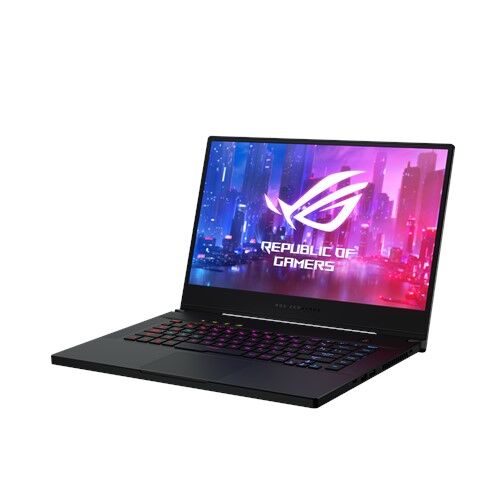

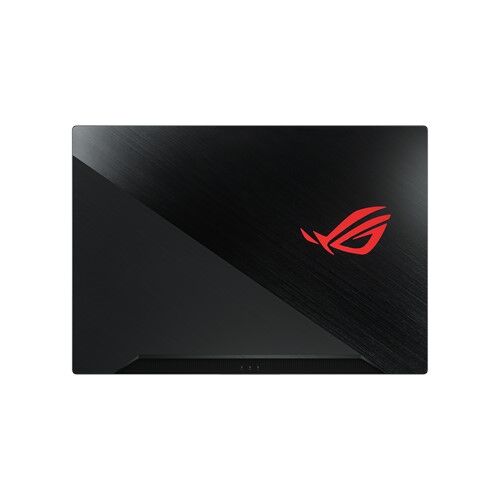
ASUS ROG Zephyrus M GU502LV-AZ058T laptop memory specifications include DDR4-SDRAM compatible RAM with maximum upgrade capacity of 32 GB. The upgrade slot features one SO-DIMM configuration combined with on-board memory. Supported memory operates at 2933 MHz frequency. Compatible RAM upgrades are available for expansion within the single SO-DIMM slot to achieve maximum memory capacity specifications.
Memory Upgrade Specifications
| Specification | Value |
|---|---|
| Memory slots | 1x SO-DIMM |
| Form factor | On-board + SO-DIMM |
| Memory type | DDR4-SDRAM |
| Frequency | 2933 MHz |
| Maximum RAM | 32 GB |
| Voltage | 1.2V |
| Number of pins | 260-pin |
| Interface | PC4 |
| PC Speed Rating | PC4-2933 (PC4-23464) |
| Bandwidth | 23.5 GB/s |
| Laptop Release date | 08 July 2020 |
Additional Notes
- The ASUS ROG GU502LV-AZ058T combines soldered memory with a single SO-DIMM slot, preventing dual-channel operation if the on-board capacity differs from the installed module capacity.
- Only 1 expansion slot remains available for capacity increases, as the on-board portion occupies permanent space on the motherboard.
- Achieving the 32 GB maximum requires installing a single 32 GB SO-DIMM when no on-board memory exists, or matching configurations where the combined total does not exceed this ceiling.
- DDR4-2933 modules running below their rated speed when paired with slower on-board memory will result in the entire system operating at the lowest common frequency.
- Asymmetric memory configurations between the soldered portion and the SO-DIMM slot create flex mode operation rather than traditional dual-channel, reducing bandwidth efficiency in memory-intensive workloads.
- Non-standard voltage modules above 1.2V may cause stability issues or void coverage, as gaming laptops with hybrid memory designs typically lack BIOS voltage adjustment options.
- Physical clearance beneath the service panel determines SO-DIMM height compatibility, with low-profile modules sometimes required in thin chassis designs despite the specification supporting standard 30mm modules.
- Matching the existing on-board memory's rank configuration (single-rank or dual-rank) with the replacement SO-DIMM improves stability, though manufacturers rarely publish rank specifications for laptop RAM.
- The 2933 MHz specification represents JEDEC standard DDR4 rather than overclocked XMP profiles, meaning modules advertised for higher speeds will downclock automatically without performance loss.
- Thermal throttling becomes more pronounced with maximum capacity configurations, as additional memory chips generate heat in confined spaces where cooling solutions prioritize CPU and GPU temperatures.