ASUS ROG GU502LV-AZ058T-BE RAM upgrade specifications
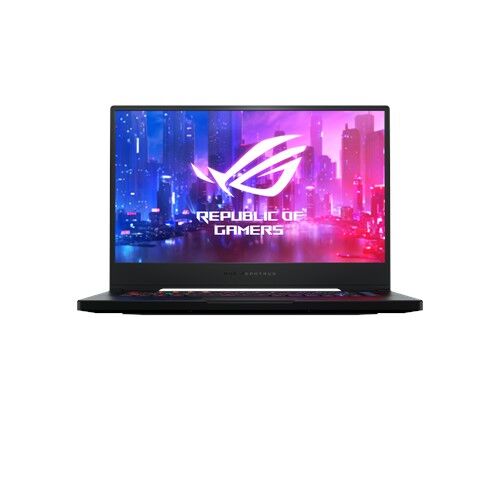

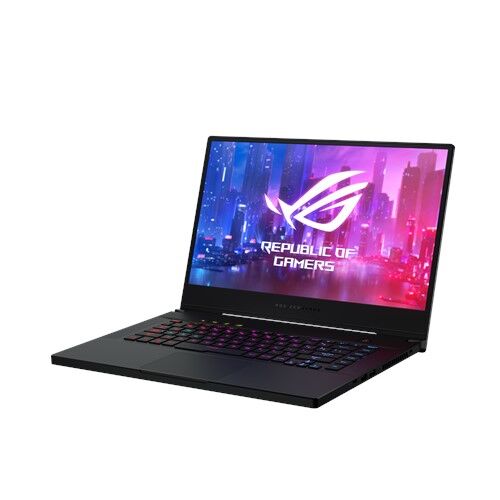
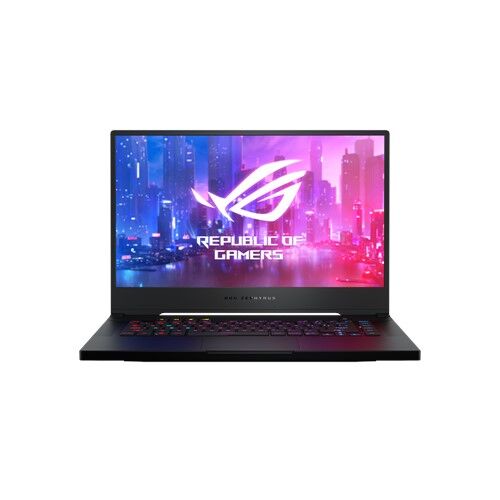
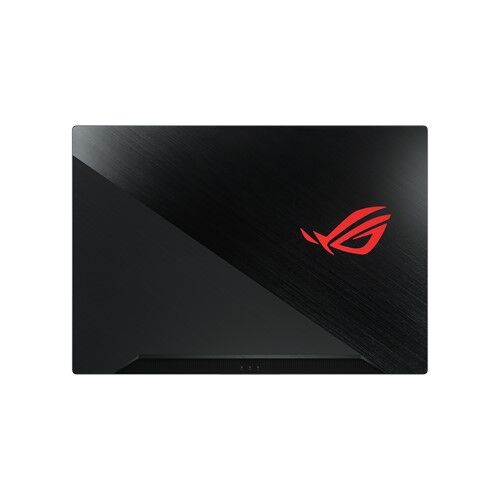
ASUS ROG Zephyrus M GU502LV-AZ058T-BE laptop RAM upgrade specifications include DDR4-SDRAM memory operating at 2933 MHz. The system features one SO-DIMM memory slot for expansion, with a maximum compatible RAM capacity of 48 GB. The memory configuration consists of on-board RAM plus one upgradeable SO-DIMM slot, allowing users to expand the system's total memory capacity through compatible DDR4 modules.
Memory Upgrade Specifications
| Specification | Value |
|---|---|
| Memory slots | 1x SO-DIMM |
| Form factor | On-board + SO-DIMM |
| Memory type | DDR4-SDRAM |
| Frequency | 2933 MHz |
| Maximum RAM | 48 GB |
| Voltage | 1.2V |
| Number of pins | 260-pin |
| Interface | PC4 |
| PC Speed Rating | PC4-2933 (PC4-23464) |
| Bandwidth | 23.5 GB/s |
| Laptop Release date | 10 July 2020 |
Additional Notes
- The presence of on board memory indicates that a portion of the system RAM is permanently soldered to the motherboard and cannot be replaced or upgraded.
- Operating the ASUS GU502LV-AZ058T-BE with asymmetrical memory capacities between the soldered chip and the removable module will result in partial dual channel performance through Intel Flex Memory technology.
- Total memory bandwidth is constrained by the single available expansion slot which limits the ability to achieve a fully matched symmetrical dual channel configuration across the entire 48 GB addressable space.
- Installing a module with a frequency higher than 2933 MHz will result in the hardware automatically downclocking the RAM to match the speeds of the soldered memory controller.
- The 48 GB maximum capacity limit necessitates the use of a 32 GB module in the lone SO-DIMM slot to complement the existing 16 GB of integrated on board memory.
- Latency timings for any added memory module will be forced to synchronize with the fixed internal timings of the pre installed soldered chips to ensure system stability.
- Thermal management remains a factor during installation as the SO-DIMM slot is located in close proximity to the non removable memory components and the primary heat dissipation system.
- Physical access to the expansion slot requires the removal of the bottom chassis panel which exposes sensitive internal components to potential electrostatic discharge.