ASUS ROG GU502GV-AZ038T RAM upgrade specifications
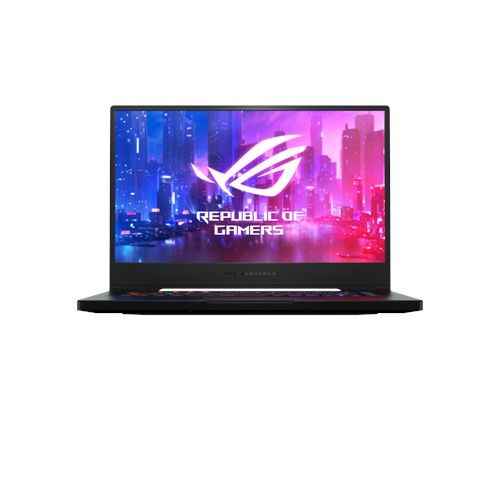

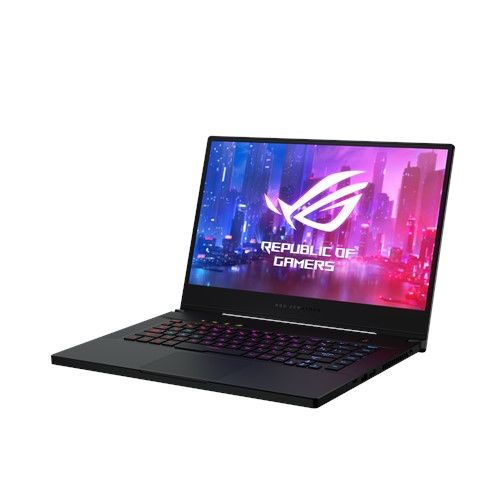
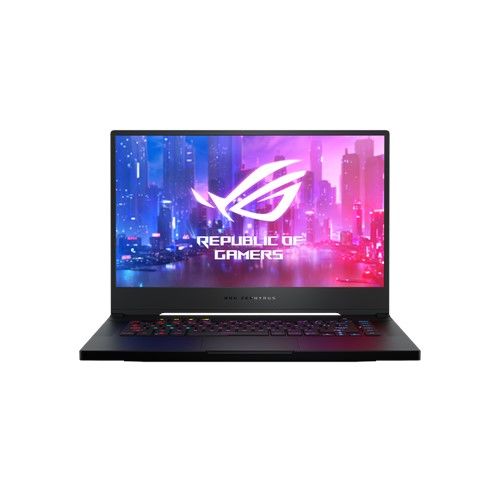
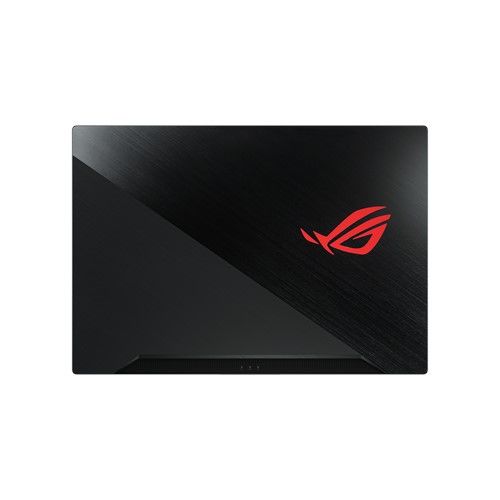
ASUS ROG Zephyrus M15 GU502GV-AZ038T supports DDR4-SDRAM memory upgrades. The laptop features one SO-DIMM slot for RAM expansion, with maximum compatible capacity of 32 GB. Memory operates at 2666 MHz frequency. The specifications indicate on-board memory configuration combined with a single upgradeable SO-DIMM slot. Compatible DDR4 modules can be installed to expand total system memory capacity within the stated maximum specifications.
Memory Upgrade Specifications
| Specification | Value |
|---|---|
| Memory slots | 1x SO-DIMM |
| Form factor | On-board + SO-DIMM |
| Memory type | DDR4-SDRAM |
| Frequency | 2666 MHz |
| Maximum RAM | 32 GB |
| Voltage | 1.2V |
| Number of pins | 260-pin |
| Interface | PC4 |
| PC Speed Rating | PC4-2666 (PC4-21328) |
| Bandwidth | 21.3 GB/s |
| Laptop Release date | 10 February 2020 |
Additional Notes
- The ASUS ROG GU502GV-AZ038T features a hybrid memory architecture with soldered RAM and a single expansion slot, limiting upgrade flexibility compared to dual-slot configurations.
- Only DDR4-SDRAM modules operating at 2666 MHz or higher will function correctly, as higher frequency modules automatically downclock to match the system's supported speed.
- The on-board plus SO-DIMM configuration indicates that part of the system memory is permanently soldered to the motherboard and cannot be removed or replaced.
- Reaching the 32 GB maximum capacity requires installing a single SO-DIMM module that, combined with the soldered memory, totals this limit.
- Systems with hybrid memory architectures may not achieve dual-channel bandwidth across the entire memory capacity if the soldered and slot-based modules differ in size.
- The small outline dual in-line memory module form factor requires laptop-specific RAM rather than standard desktop DIMMs.
- Accessing the single SO-DIMM slot typically requires bottom panel removal, which may involve disconnecting the battery to prevent electrical damage during installation.
- Warranty coverage should be verified before proceeding with memory upgrades, as some manufacturers restrict user-serviceable components.
- Mixing memory modules from different manufacturers or with different specifications may cause stability issues or prevent the system from booting.
- The 2666 MHz frequency represents the JEDEC standard speed for this DDR4 generation, without support for higher-performance XMP profiles common in desktop systems.