ASUS ROG GU502LV-BI7N8 RAM upgrade specifications
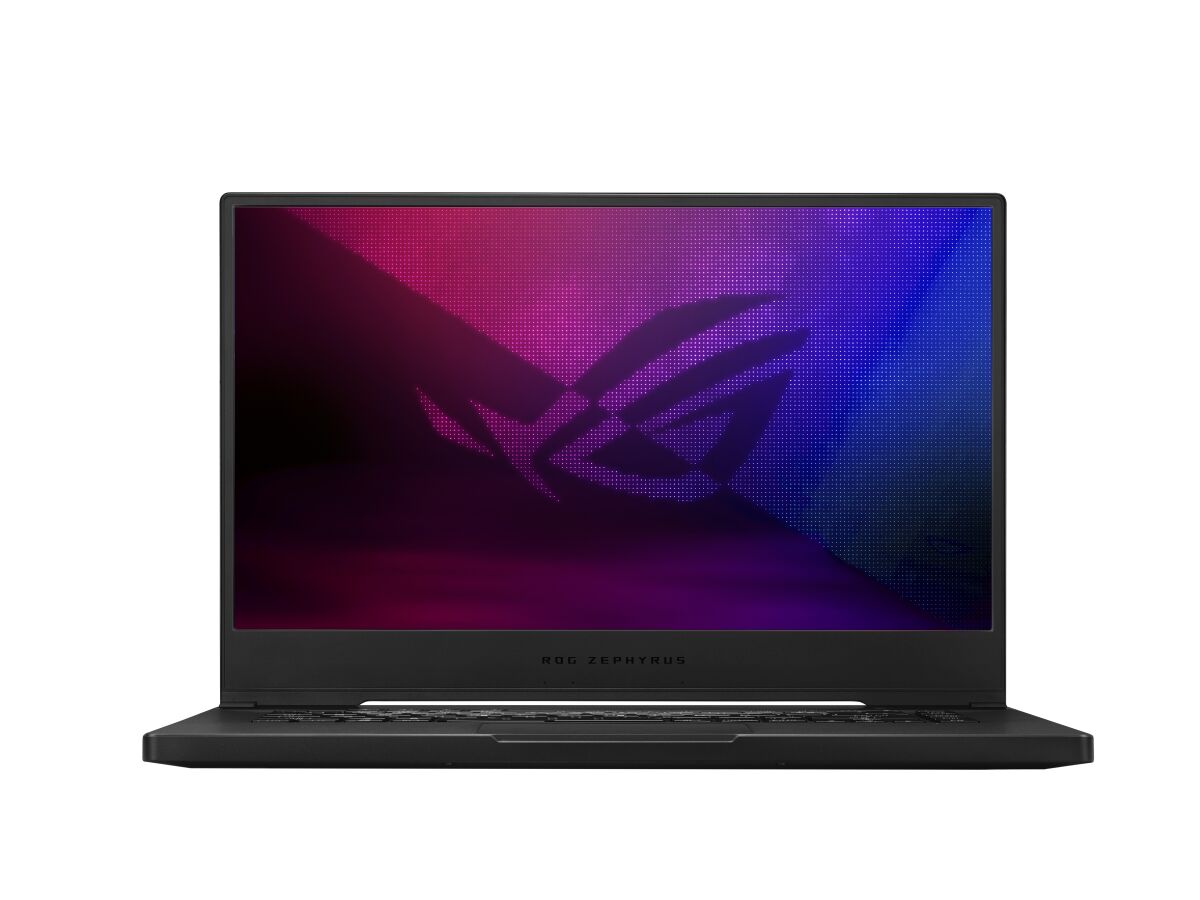
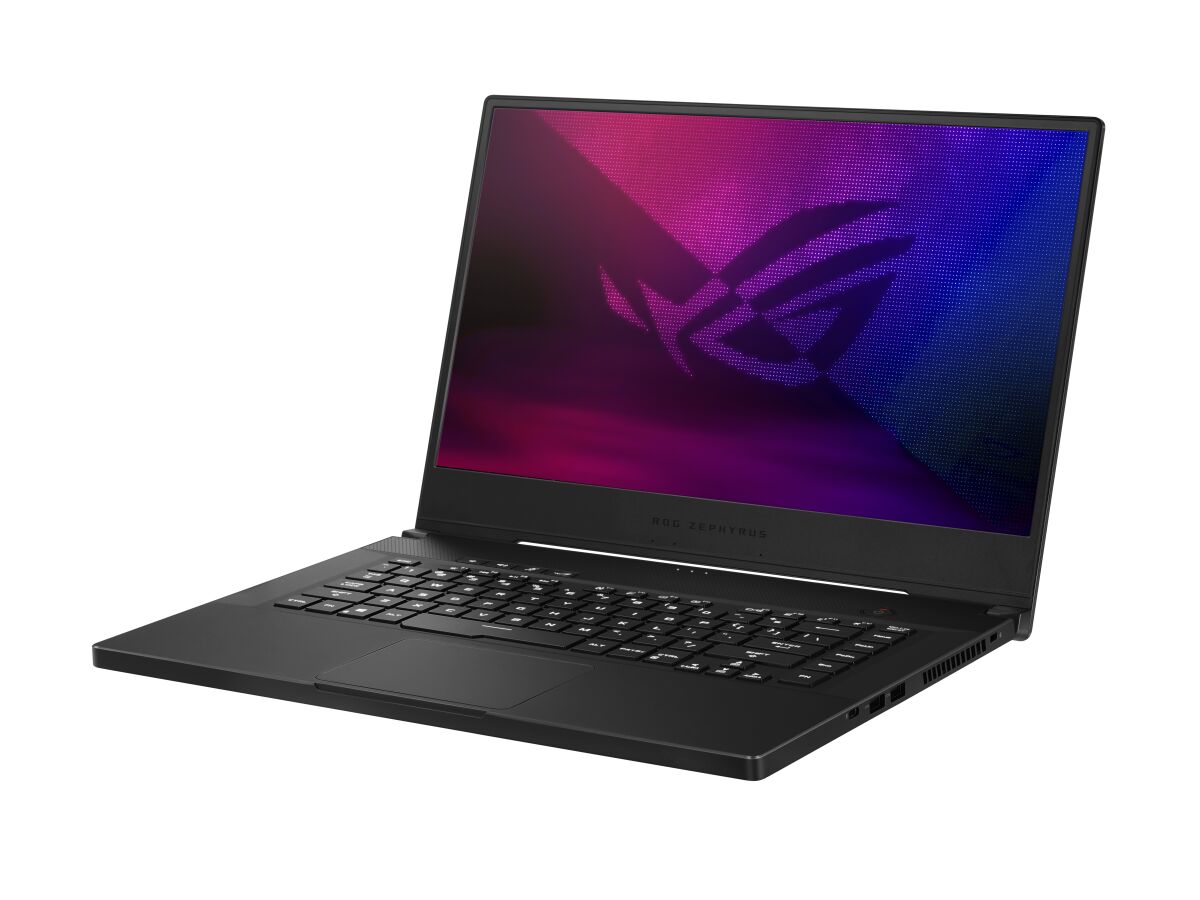

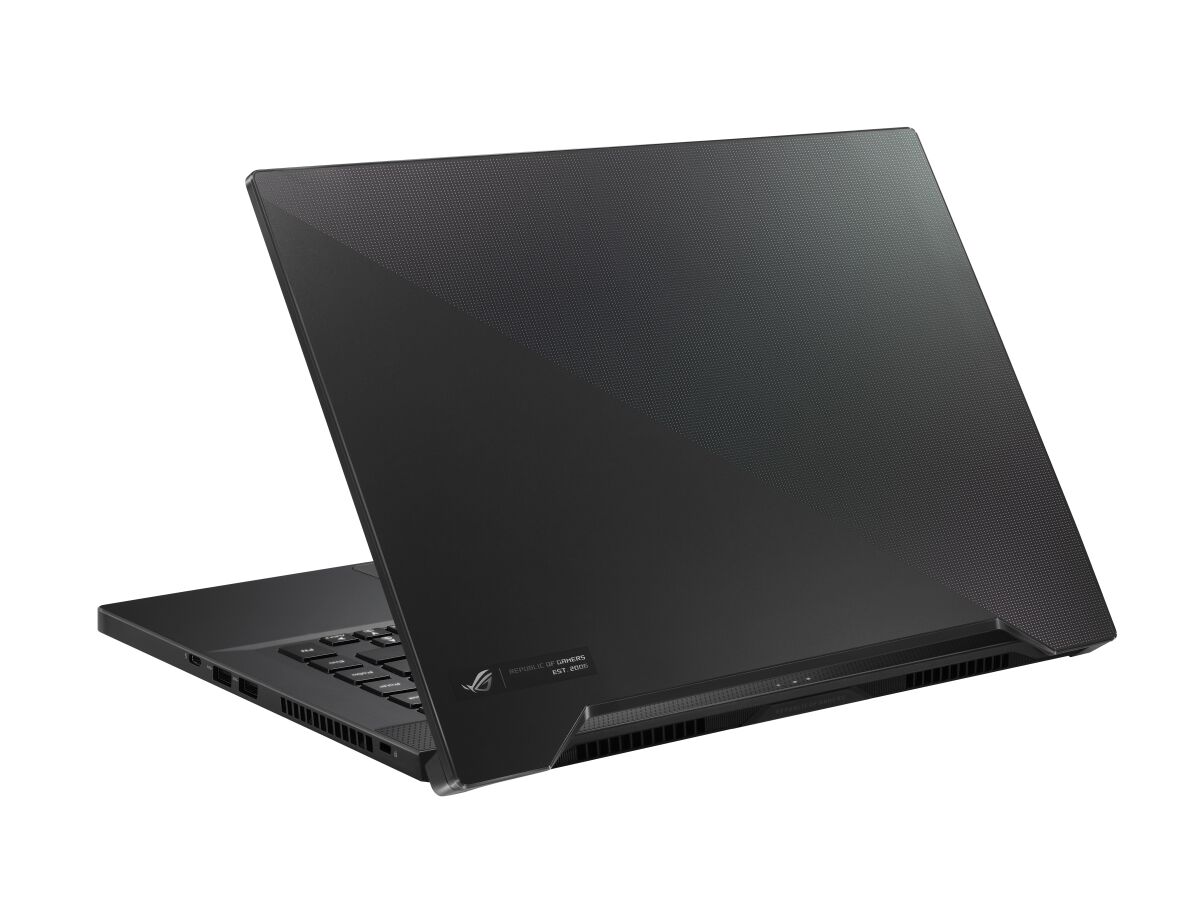
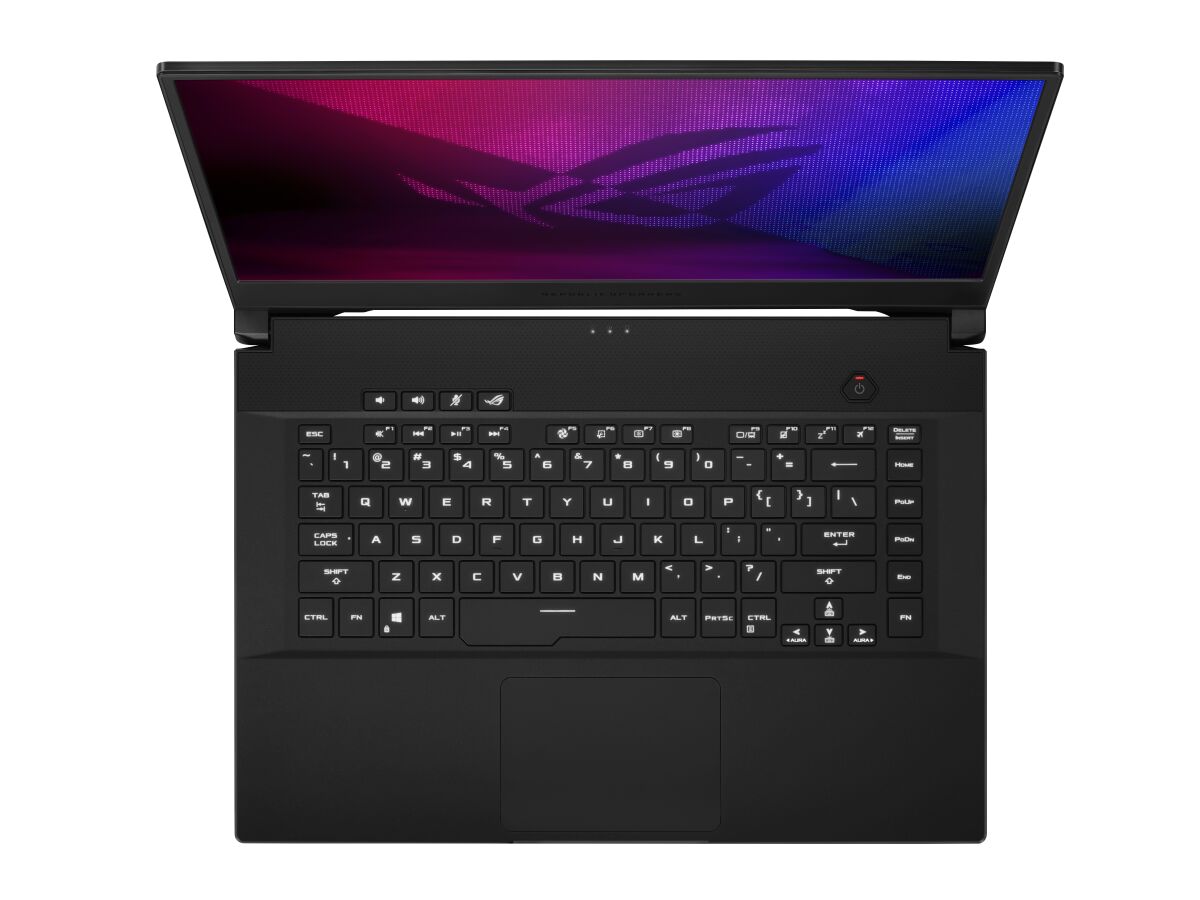
The ASUS ROG Zephyrus M15 GU502LV-BI7N8 features DDR4-SDRAM memory with one SO-DIMM slot available for upgrade. Maximum supported capacity reaches 24 GB total memory configuration. The laptop contains on-board memory combined with one upgradeable slot. Compatible DDR4 modules operate at 2933 MHz frequency. Memory specifications support the portable gaming platform with expandable RAM capacity for enhanced multitasking and performance. Upgrade options utilize standard SO-DIMM form factor components. The single slot design permits straightforward memory expansion without replacing existing on-board components.
Memory Upgrade Specifications
| Specification | Value |
|---|---|
| Memory slots | 1x SO-DIMM |
| Form factor | On-board + SO-DIMM |
| Memory type | DDR4-SDRAM |
| Frequency | 2933 MHz |
| Maximum RAM | 24 GB |
| Voltage | 1.2V |
| Number of pins | 260-pin |
| Interface | PC4 |
| PC Speed Rating | PC4-2933 (PC4-23464) |
| Bandwidth | 23.5 GB/s |
| Laptop Release date | 22 June 2020 |
Additional Notes
- The ASUS ROG GU502LV-BI7N8 uses a hybrid memory configuration with soldered on-board DDR4 and a single SO-DIMM slot, which means a portion of system RAM cannot be removed or replaced.
- SO-DIMM DDR4-3200 modules will operate at 2933 MHz due to JEDEC standard downclocking, resulting in approximately 0.9% reduction in memory bandwidth compared to rated module specifications.
- The 24 GB maximum capacity ceiling indicates on-board soldering consumes 16 GB, leaving only 8 GB upgrade potential via the single accessible slot.
- SO-DIMM replacement requires partial system disassembly and carries risk of voiding warranty coverage unless performed by authorized service centers, as most consumer laptops restrict internal component access.
- DDR4 SO-DIMM modules manufactured after 2021 are becoming increasingly scarce in retail channels due to mobile DDR5 market transition, extending procurement lead times for warranty-compliant replacements.
- Asymmetrical memory configuration (soldered + expandable) may trigger single-channel operation if the SO-DIMM slot remains empty, halving effective memory bandwidth during processor access cycles.
- Latency penalties from SO-DIMM mechanical connection add 2-3 nanoseconds of signal propagation delay compared to soldered alternatives, impacting latency-sensitive applications at measurable levels above 60 FPS gaming thresholds.