ASUS ROG GU603ZW-K8062W RAM upgrade specifications




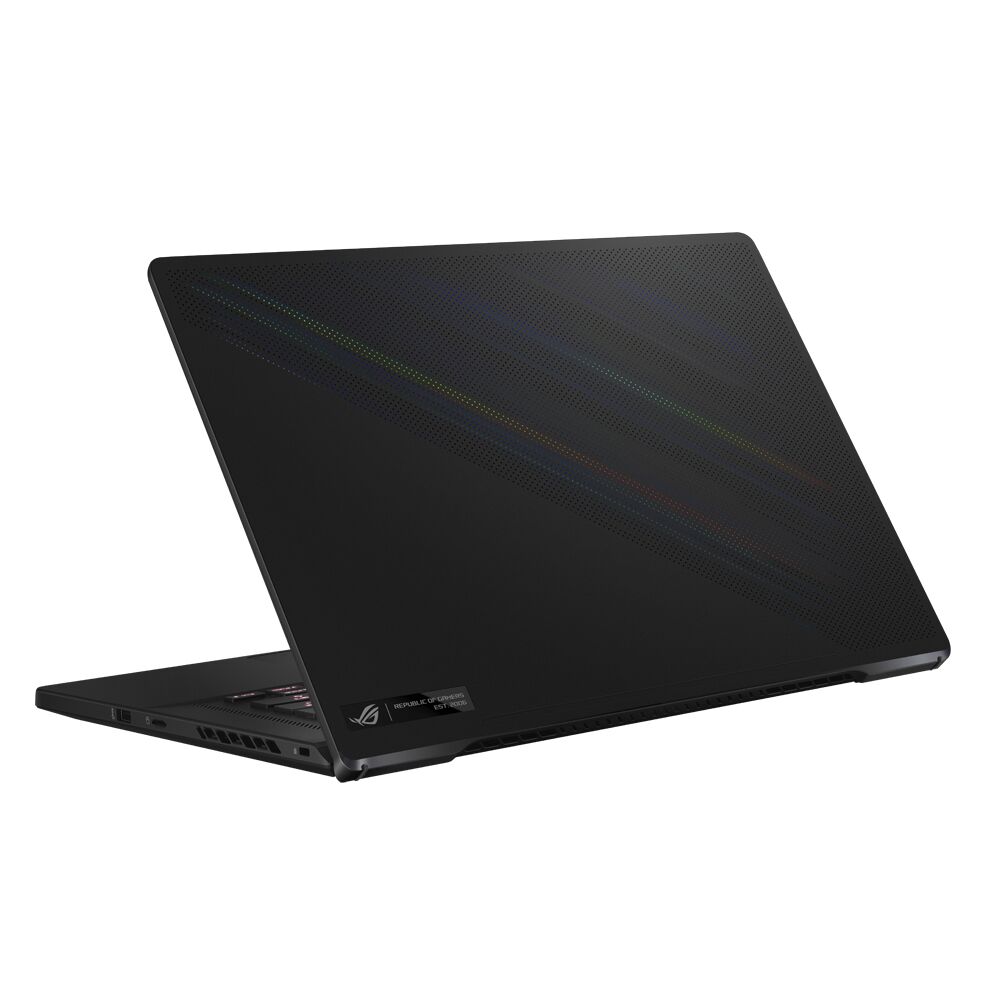
ASUS ROG Zephyrus M16 model GU603ZW-K8062W features DDR5-SDRAM memory upgrade specifications with one SO-DIMM slot available for expansion. The laptop contains on-board memory combined with a single upgradeable slot, supporting maximum RAM capacity of 48 GB. Compatible memory operates at 4800 MHz frequency. Specifications enable users to expand memory capacity through the dedicated SO-DIMM slot for enhanced multitasking and performance capabilities.
Memory Upgrade Specifications
| Specification | Value |
|---|---|
| Memory slots | 1x SO-DIMM |
| Form factor | On-board + SO-DIMM |
| Memory type | DDR5-SDRAM |
| Frequency | 4800 MHz |
| Maximum RAM | 48 GB |
| Voltage | 1.1V |
| Number of pins | 262-pin |
| Interface | PC5 |
| PC Speed Rating | PC5-4800 (PC5-38400) |
| Bandwidth | 38.4 GB/s |
| Laptop Release date | 19 January 2022 |
Additional Notes
- The presence of a single SO-DIMM slot alongside permanent on-board memory creates an asymmetrical dual-channel configuration when using high-capacity modules.
- Total memory bandwidth remains restricted by the speed of the slowest module, requiring precise timing matches to avoid latency penalties.
- Upgrading the ASUS ROG GU603ZW-K8062W involves a permanent hardware limitation because 16 GB or 8 GB of the total system memory cannot be replaced or removed if the silicon fails.
- The maximum capacity ceiling suggests a mismatch between the soldered base memory and the largest compatible 32 GB expansion module.
- Heat management during memory-intensive tasks is critical as the on-board chips lack the heat-spreading surface area found on standard removable modules.
- Installation of aftermarket modules requires strictly non-ECC unbuffered hardware to ensure motherboard initialization during POST.
- Physical access to the internal slot necessitates the removal of the bottom chassis panel, which may involve breaking factory tamper seals depending on regional service policies.
- Dual-channel performance benefits only apply to the capacity where the expansion module matches the on-board memory size, after which the system reverts to single-channel operation.