ASUS ROG GU603ZW-K8063W RAM upgrade specifications



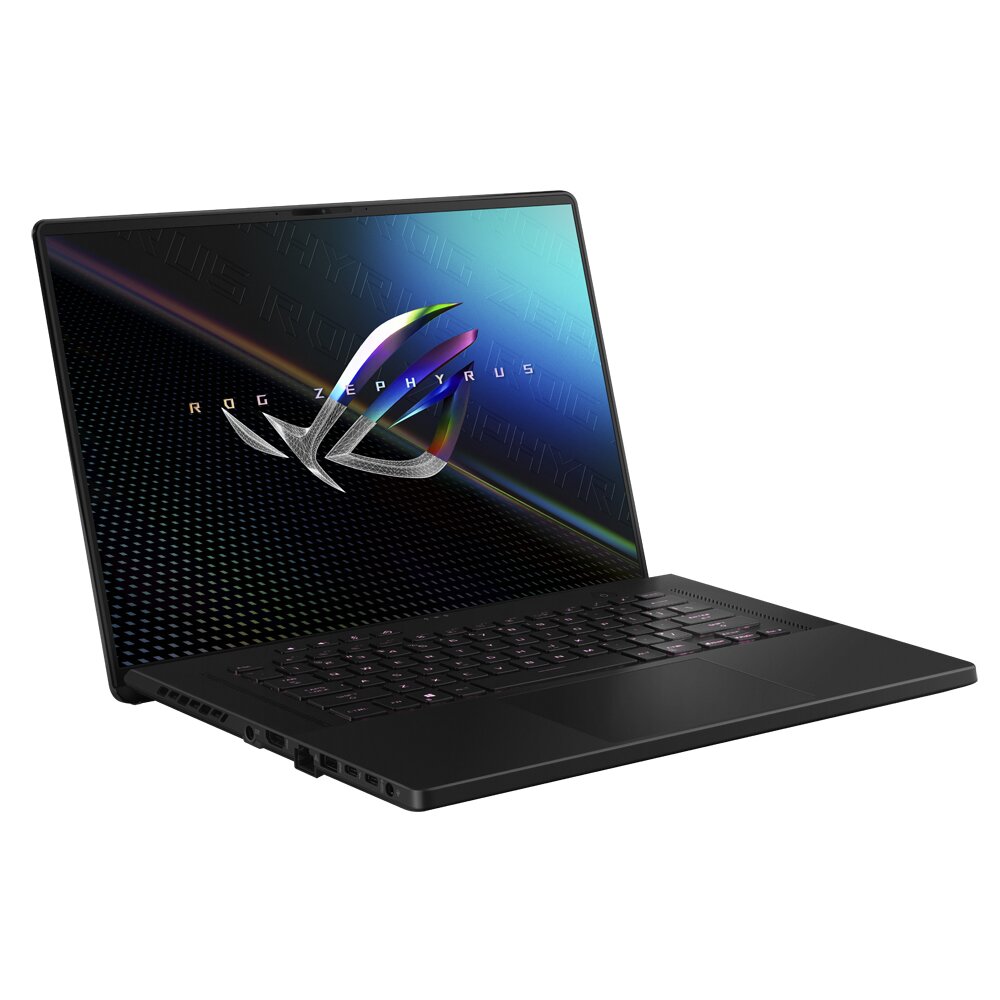

ASUS ROG Zephyrus M16 model GU603ZW-K8063W features DDR5-SDRAM memory upgrade specifications. The laptop contains one SO-DIMM slot for memory expansion, compatible with DDR5 modules operating at 4800 MHz frequency. Maximum supported RAM capacity reaches 48 GB when upgrading the available slot. Memory configuration combines on-board and SO-DIMM form factors for optimal performance specifications.
Memory Upgrade Specifications
| Specification | Value |
|---|---|
| Memory slots | 1x SO-DIMM |
| Form factor | On-board + SO-DIMM |
| Memory type | DDR5-SDRAM |
| Frequency | 4800 MHz |
| Maximum RAM | 48 GB |
| Voltage | 1.1V |
| Number of pins | 262-pin |
| Interface | PC5 |
| PC Speed Rating | PC5-4800 (PC5-38400) |
| Bandwidth | 38.4 GB/s |
| Laptop Release date | 13 February 2022 |
Additional Notes
- The ASUS ROG GU603ZW-K8063W features a hybrid memory configuration with soldered RAM and a single accessible slot, limiting future expansion flexibility compared to dual-slot systems.
- The 48 GB maximum capacity indicates 16 GB soldered memory paired with a 32 GB SO-DIMM module, as this is the only configuration that reaches this specific ceiling with one expansion slot.
- DDR5-4800 operates at JEDEC standard speed, meaning any faster rated modules will downclock to 4800 MHz when installed in this system.
- Memory performance runs in asymmetric dual-channel mode when a SO-DIMM is installed, with capacity above 16 GB operating in flex mode rather than traditional symmetric dual-channel.
- The single SO-DIMM configuration eliminates the option to run identical memory modules in both slots, preventing full dual-channel symmetry that benefits certain workloads.
- SO-DIMM replacement constitutes user-accessible maintenance that typically preserves warranty coverage, unlike soldered component modifications which void manufacturer protections.
- DDR5 modules require PMIC (Power Management Integrated Circuit) compatibility with the laptop's power delivery system, making module selection more restrictive than DDR4 systems.
- Mixing memory speeds between the soldered component and SO-DIMM module forces both to operate at the lower frequency, potentially underutilizing faster aftermarket modules.
- The on-board memory component cannot be replaced or upgraded without motherboard-level rework, making the soldered capacity a permanent baseline specification.
- DDR5 voltage requirements of 1.1V differ from DDR4's 1.2V standard, preventing backward compatibility with older generation modules regardless of physical socket design.