ASUS ROG GU603ZX-K8001W RAM upgrade specifications


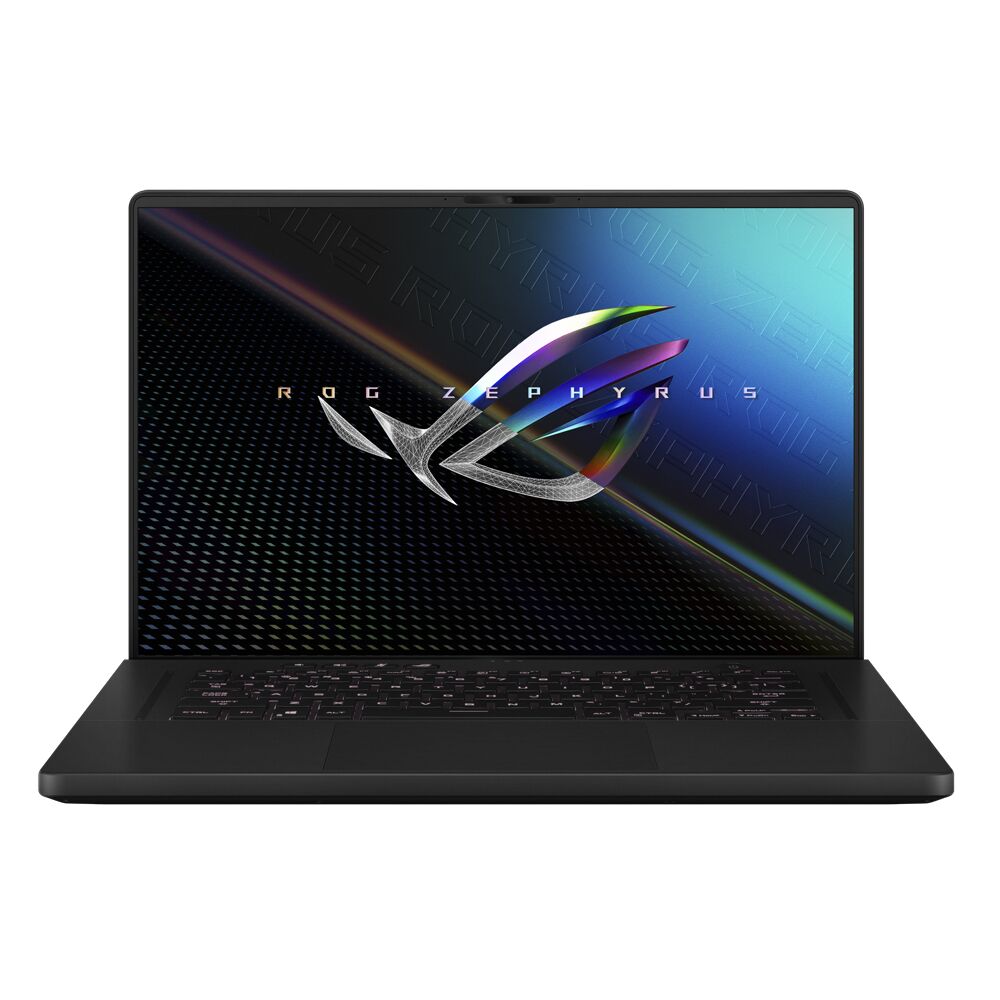

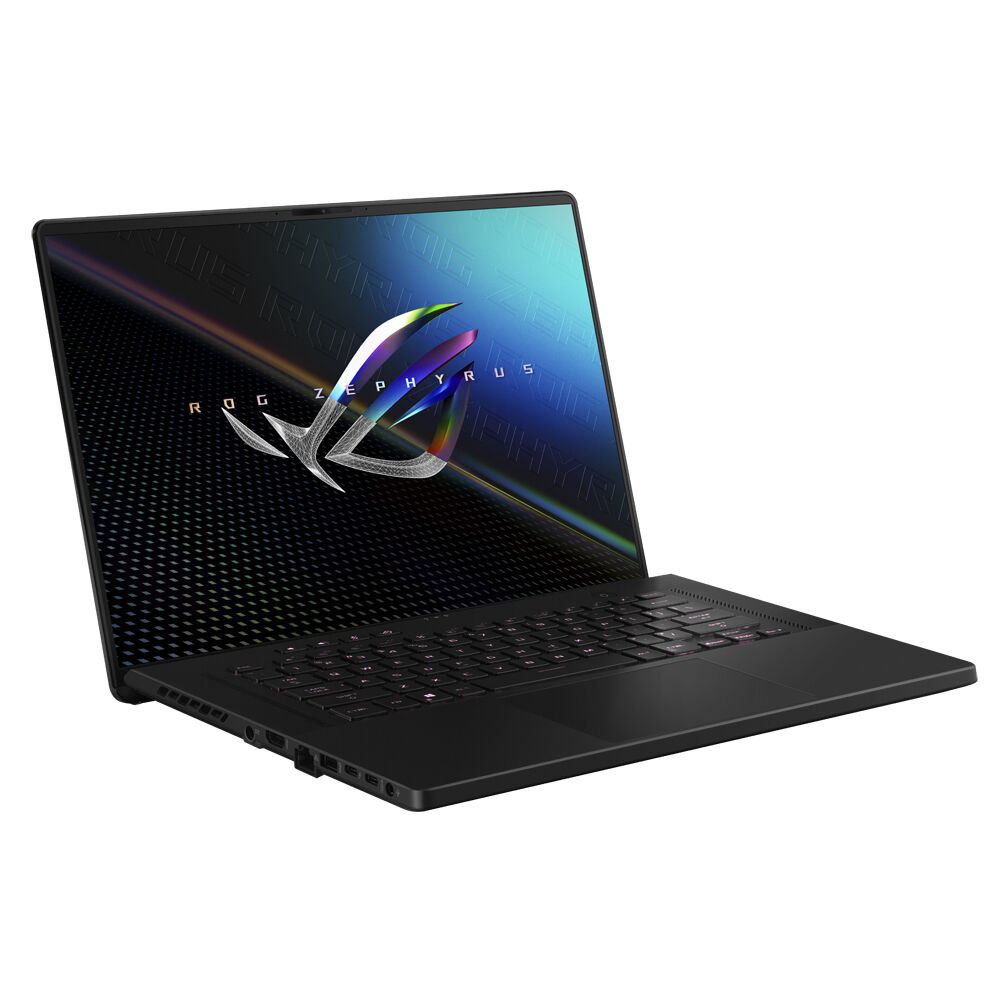
ASUS ROG Zephyrus M16 model GU603ZX-K8001W features DDR5-SDRAM memory upgrade specifications. Compatible memory includes single SO-DIMM slot supporting maximum capacity of 48 GB RAM. Upgrade slots accommodate DDR5 modules at 4800 MHz frequency. Memory configuration comprises on-board soldered memory combined with one replaceable SO-DIMM slot for expanded RAM capacity. Specifications enable memory upgrades to enhance system performance for gaming and professional applications.
Memory Upgrade Specifications
| Specification | Value |
|---|---|
| Memory slots | 1x SO-DIMM |
| Form factor | On-board + SO-DIMM |
| Memory type | DDR5-SDRAM |
| Frequency | 4800 MHz |
| Maximum RAM | 48 GB |
| Voltage | 1.1V |
| Number of pins | 262-pin |
| Interface | PC5 |
| PC Speed Rating | PC5-4800 (PC5-38400) |
| Bandwidth | 38.4 GB/s |
| Laptop Release date | 13 January 2022 |
Additional Notes
- The ASUS ROG GU603ZX-K8001W features a hybrid memory architecture combining soldered RAM with a single expansion slot, limiting upgrade flexibility compared to dual SO-DIMM configurations.
- The single SO-DIMM socket indicates that onboard memory is permanently soldered to the motherboard and cannot be removed or replaced without advanced board-level repair.
- Achieving the 48 GB maximum capacity requires determining the soldered memory amount first, as the SO-DIMM module must complement rather than replace existing onboard RAM.
- DDR5-4800 operates at PC5-38400 transfer rates, providing 38.4 GB/s theoretical bandwidth per channel in single-channel mode or doubled in dual-channel operation.
- Dual-channel performance depends on pairing a SO-DIMM module with matching capacity to the soldered memory, as asymmetric configurations will run in flex mode with reduced performance benefits.
- DDR5 modules require JEDEC-standard 1.1V operation and will not accept DDR4 modules due to incompatible notch positioning and electrical signaling.
- The 4800 MHz specification represents the supported JEDEC baseline speed, though higher-frequency modules will typically downclock automatically to match this limit.
- Access to the SO-DIMM slot typically requires removing the bottom panel, which may involve warranty-void-if-removed stickers depending on regional consumer protection laws.
- Memory upgrades in hybrid configurations necessitate matching timing specifications (CAS latency, tRCD, tRP) between the soldered and socketed modules to prevent stability issues.
- SO-DIMM DDR5 modules use 262-pin connectors with physical dimensions of approximately 69.6 mm by 30 mm, distinct from standard DIMM desktop modules.
- The onboard memory configuration prevents complete memory replacement in case of failure, requiring motherboard-level service rather than simple module swapping.
- Mixing different memory brands between soldered and SO-DIMM components can introduce minor latency variations but generally maintains compatibility within JEDEC specifications.