ASUS ROG GU603ZX-K8017W RAM upgrade specifications




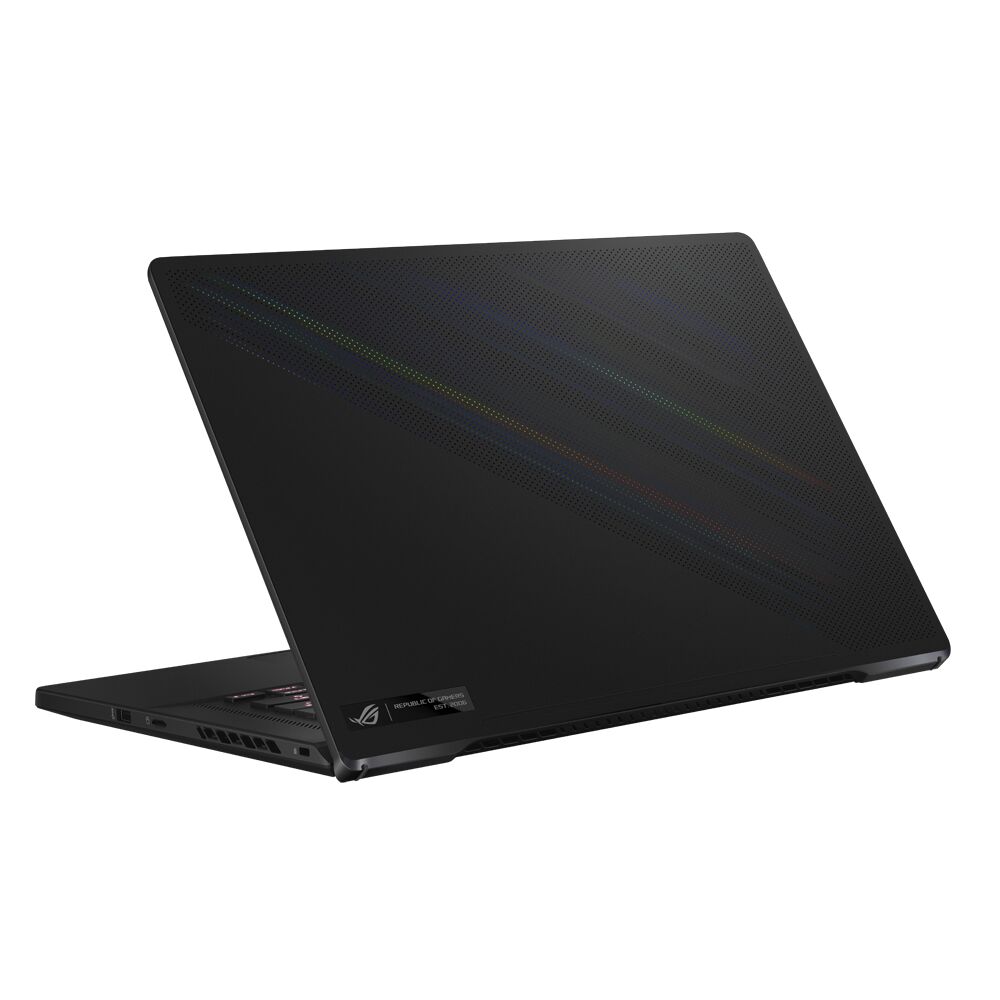
ASUS ROG Zephyrus M16 model GU603ZX-K8017W supports DDR5-SDRAM memory upgrade specifications. The laptop features one SO-DIMM slot for memory expansion, with maximum compatible RAM capacity of 48 GB. Operating frequency reaches 4800 MHz. Memory configuration includes on-board soldered RAM plus one upgradeable SO-DIMM slot, allowing users to expand total system memory to the maximum supported capacity through compatible DDR5 modules.
Memory Upgrade Specifications
| Specification | Value |
|---|---|
| Memory slots | 1x SO-DIMM |
| Form factor | On-board + SO-DIMM |
| Memory type | DDR5-SDRAM |
| Frequency | 4800 MHz |
| Maximum RAM | 48 GB |
| Voltage | 1.1V |
| Number of pins | 262-pin |
| Interface | PC5 |
| PC Speed Rating | PC5-4800 (PC5-38400) |
| Bandwidth | 38.4 GB/s |
| Laptop Release date | 01 February 2022 |
Additional Notes
- The ASUS ROG GU603ZX-K8017W contains soldered on-board memory paired with a single SO-DIMM slot, meaning maximum capacity depends on which portion is upgradeable and the pre-installed configuration; 48 GB total capacity indicates either 32 GB soldered plus 16 GB SO-DIMM or 24 GB soldered plus 24 GB SO-DIMM maximum.
- DDR5-4800 MHz memory operates at a significantly higher frequency than DDR4 alternatives, which increases latency sensitivity; pairing the single SO-DIMM with on-board memory may create asymmetrical channel performance if the pre-installed configuration uses different capacity modules.
- Single SO-DIMM slot configuration eliminates dual-channel upgrade potential; replacement or addition of a second 16 GB or 24 GB module will not improve memory bandwidth beyond what the soldered portion already provides in parallel.
- DDR5 SO-DIMM modules for this laptop are not backward compatible with DDR4 slots and carry higher cost premiums than DDR4 equivalents; sourcing warranty-safe replacement modules requires confirmation of the original SO-DIMM capacity before purchase.
- Thermal constraints in gaming-class mobile platforms may affect sustained performance when memory operates at rated 4800 MHz; stress testing after upgrade is necessary to detect thermal throttling that could reduce effective bandwidth despite higher nominal frequency.
- Installation of a non-OEM DDR5 SO-DIMM module may trigger BIOS warnings or require manual frequency adjustment; BIOS settings should be verified post-installation to confirm the module negotiated to 4800 MHz rather than downclocking to lower JEDEC speeds.