ASUS ROG GU603ZX-XS97 RAM upgrade specifications


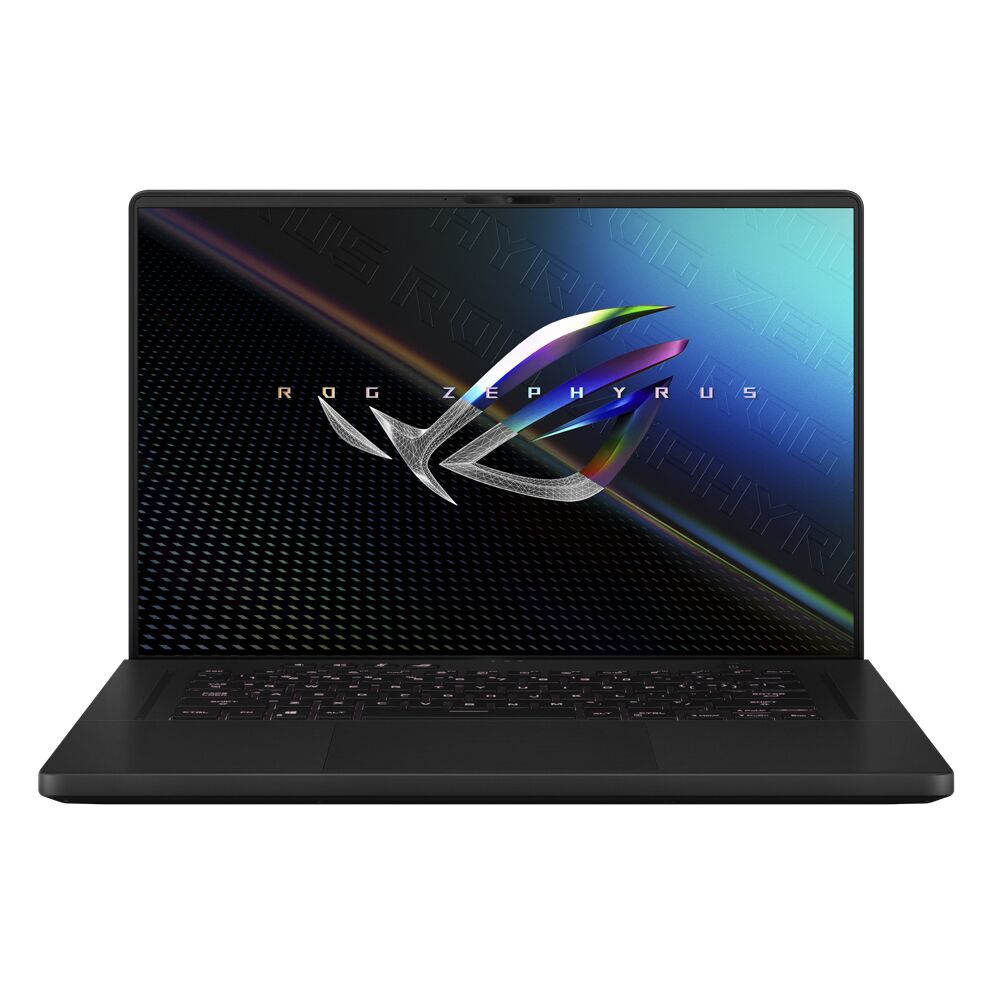

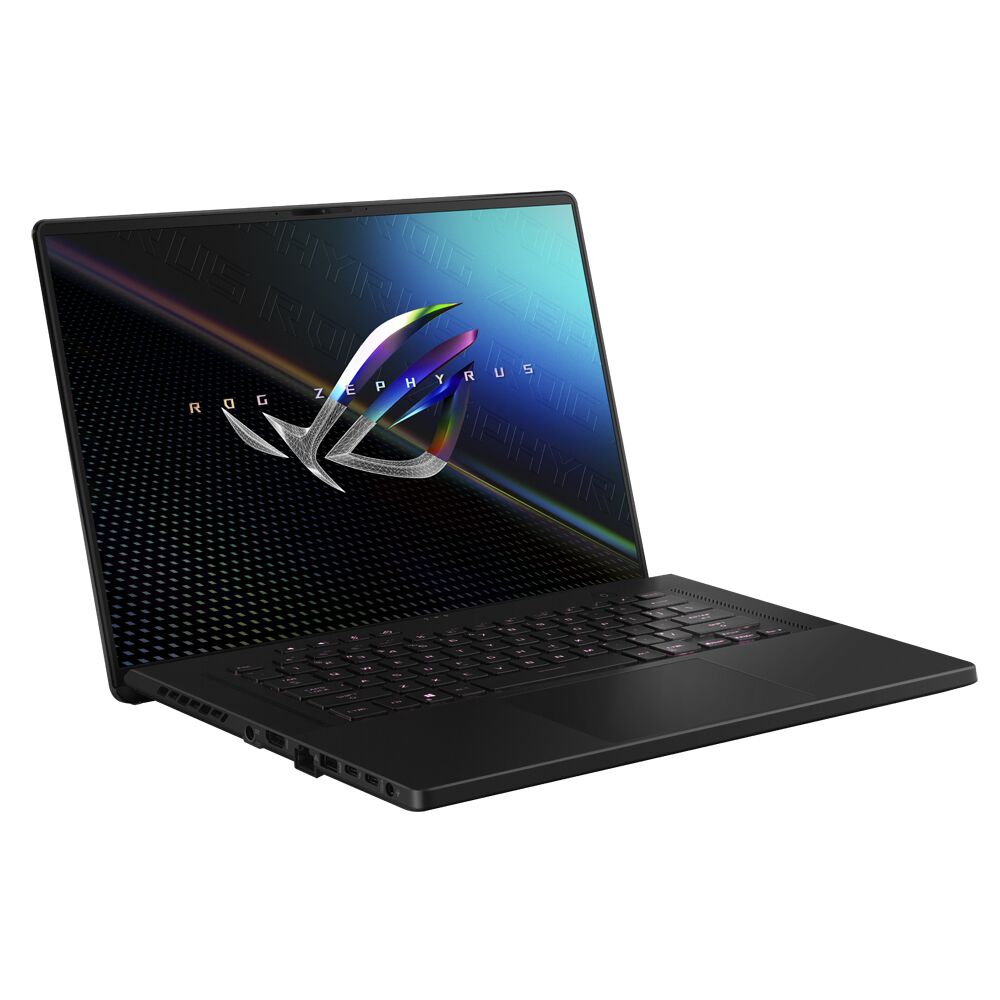
The ASUS ROG Zephyrus M16 GU603ZX-XS97 features DDR5-SDRAM memory specifications with one SO-DIMM slot available for upgrade. The laptop contains integrated on-board memory alongside one expandable SO-DIMM slot. Maximum RAM capacity reaches 48 GB with DDR5-4800 MHz frequency support. Compatible memory upgrades must utilize SO-DIMM form factor DDR5 modules operating at 4800 MHz specifications to ensure optimal performance and compatibility with the GU603ZX-XS97 configuration.
Memory Upgrade Specifications
| Specification | Value |
|---|---|
| Memory slots | 1x SO-DIMM |
| Form factor | On-board + SO-DIMM |
| Memory type | DDR5-SDRAM |
| Frequency | 4800 MHz |
| Maximum RAM | 48 GB |
| Voltage | 1.1V |
| Number of pins | 262-pin |
| Interface | PC5 |
| PC Speed Rating | PC5-4800 (PC5-38400) |
| Bandwidth | 38.4 GB/s |
| Laptop Release date | 20 January 2022 |
Additional Notes
- The ASUS ROG GU603ZX-XS97 features a hybrid memory architecture combining soldered RAM with a single expansion slot, limiting upgrade flexibility compared to dual-slot configurations.
- DDR5-SDRAM modules at 4800 MHz operate at JEDEC standard speeds, ensuring broad compatibility but preventing benefits from higher-frequency kits unless the system supports XMP or EXPO profiles.
- The 48 GB maximum capacity indicates 16 GB of soldered memory paired with a 32 GB SO-DIMM module limit, as DDR5 SO-DIMM densities currently max at 32 GB per stick.
- Single-channel bandwidth becomes a bottleneck when only onboard memory is present, but adding a SO-DIMM module enables dual-channel operation if the soldered capacity matches the installed module size.
- Mismatched memory sizes between soldered and SO-DIMM components trigger asymmetric dual-channel mode, where only the matched portion runs in dual-channel while excess capacity defaults to slower single-channel operation.
- The SO-DIMM slot accepts DDR5 modules with different speeds, but the memory controller will downclock faster modules to 4800 MHz to match the soldered component's frequency.
- Physical access to the SO-DIMM slot typically requires bottom panel removal, which may involve breaking factory seals depending on regional warranty policies.
- Non-ECC DDR5 SO-DIMM modules are required, as consumer laptops lack the memory controller support for error-correcting code memory.
- Voltage requirements remain fixed at 1.1V for DDR5, eliminating the low-voltage compatibility issues common with DDR3 and DDR4 upgrades.
- The onboard memory cannot be removed or replaced, making the initial factory configuration a permanent baseline for total system capacity.