ASUS ROG GU604VY-NM040W-Gaming RAM upgrade specifications
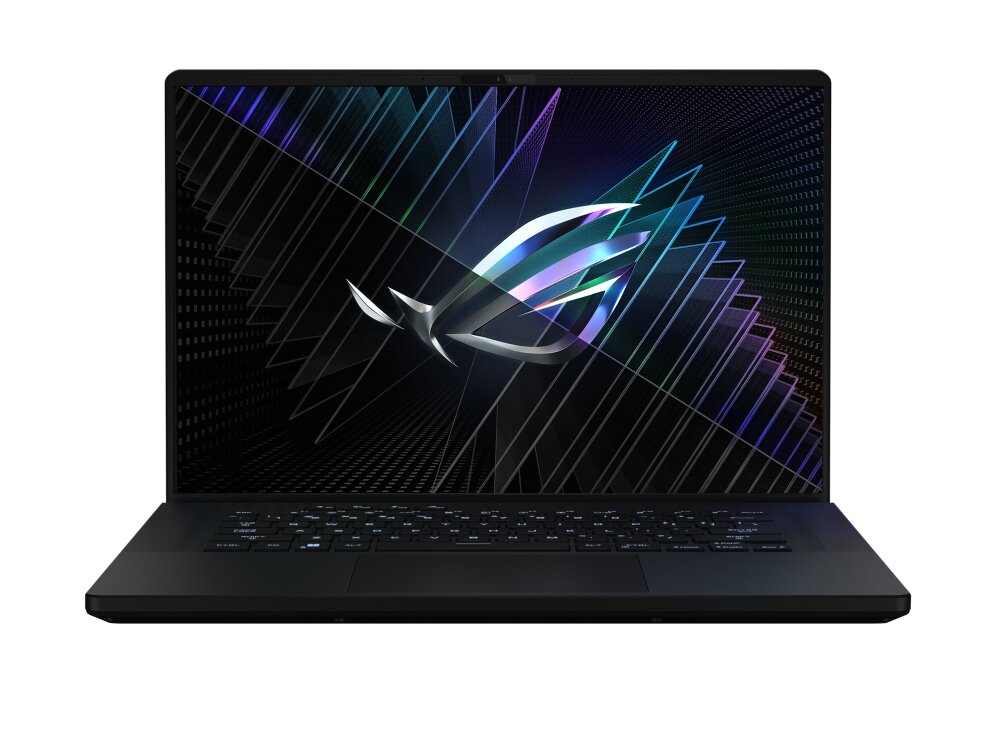

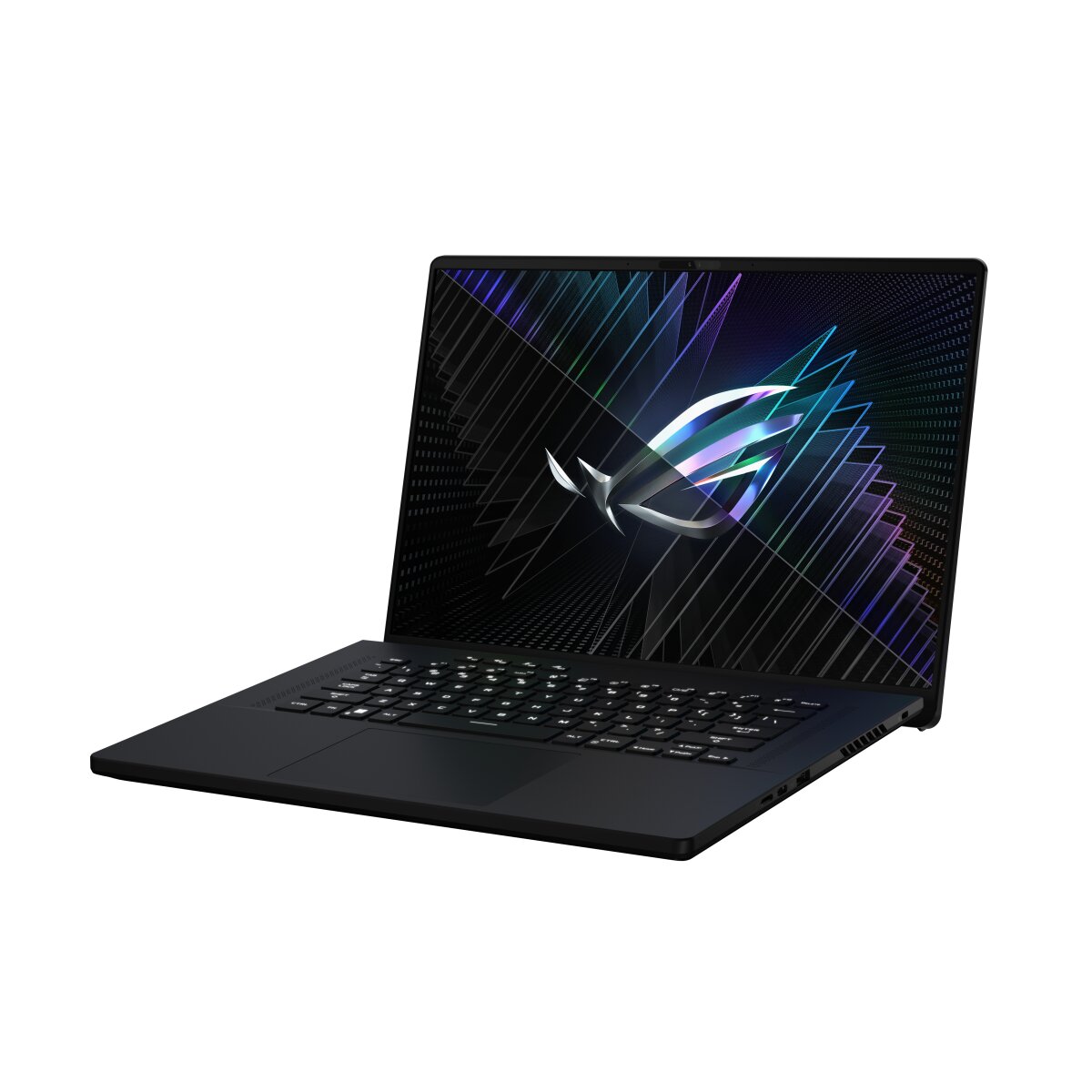
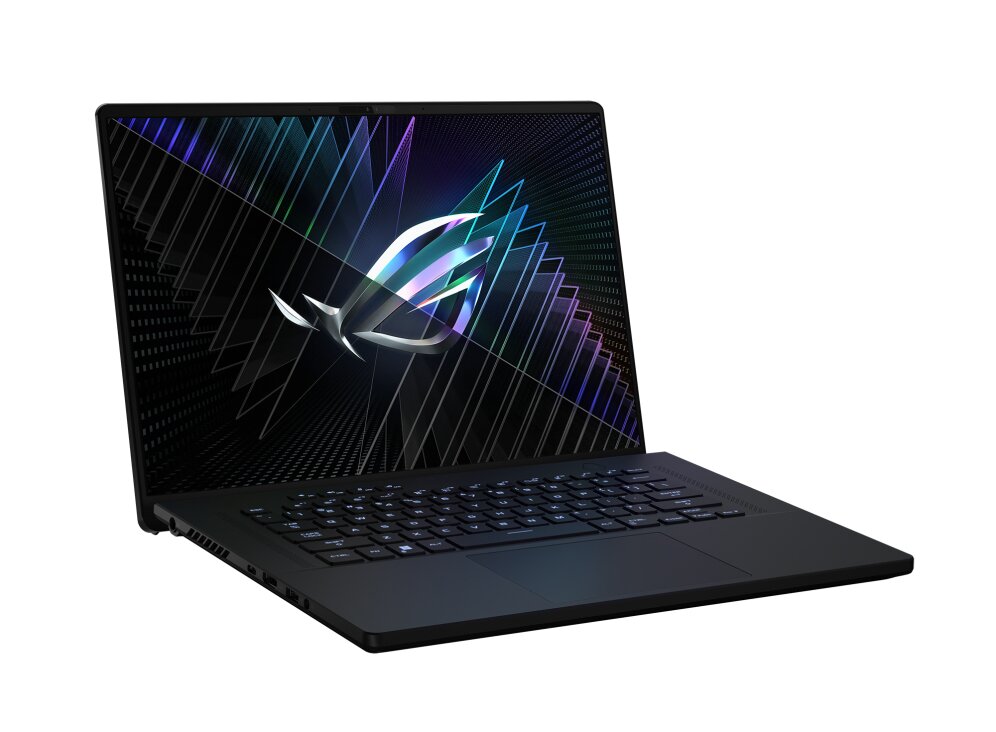
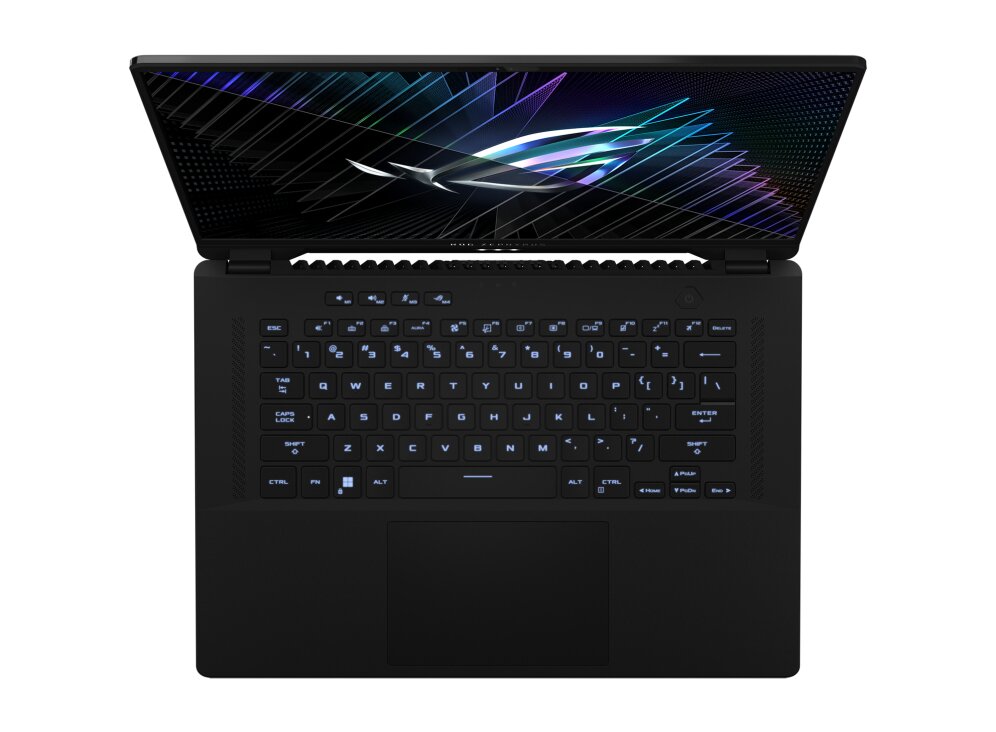
ASUS ROG Zephyrus M16 model GU604VY-NM040W-Gaming features DDR5-SDRAM memory upgrade specifications. The laptop contains 2x SO-DIMM slots for RAM expansion. Maximum memory capacity reaches 64 GB total. Compatible memory modules operate at 4800 MHz frequency. Upgradeable SO-DIMM form factor allows for memory expansion to support increased performance demands on the gaming platform.
Memory Upgrade Specifications
| Specification | Value |
|---|---|
| Memory slots | 2x SO-DIMM |
| Form factor | SO-DIMM |
| Memory type | DDR5-SDRAM |
| Frequency | 4800 MHz |
| Maximum RAM | 64 GB |
| Voltage | 1.1V |
| Number of pins | 262-pin |
| Interface | PC5 |
| PC Speed Rating | PC5-4800 (PC5-38400) |
| Bandwidth | 38.4 GB/s |
Additional Notes
- The ASUS ROG GU604VY-NM040W-Gaming accepts only DDR5 modules, excluding all DDR4 inventory from compatibility due to voltage and pin configuration differences.
- The 4800 MHz frequency specification represents JEDEC standard speed, with higher-frequency modules automatically downclocking to this ceiling unless XMP/EXPO profiles receive BIOS support.
- The 64 GB maximum capacity requires installation of 2 modules at 32 GB each, as single-module configurations cannot exceed this threshold within the 2-slot architecture.
- SO-DIMM form factor restriction prevents installation of standard DIMM desktop memory modules due to incompatible physical dimensions and connector layouts.
- Dual-channel operation depends on populating both slots with matched capacity modules, whereas single-module installations halve available memory bandwidth.
- DDR5's on-die ECC operates independently of user configuration, providing error correction without requiring specific module selection or BIOS adjustment.
- Mixing modules with different speeds forces all installed memory to operate at the lowest common frequency, potentially underutilizing faster module capabilities.
- Warranty preservation typically requires avoiding disassembly procedures that break factory seals, though memory upgrades generally fall within user-serviceable parameters across most regions.
- Thermal constraints within gaming chassis may affect sustained performance of high-density 32 GB modules compared to lower-capacity alternatives under extended loads.
- The 4800 MHz baseline ensures compatibility with JEDEC-standard modules lacking vendor-specific overclocking profiles, maintaining stability across diverse module manufacturers.