ASUS ROG GU604VY-NM059X RAM upgrade specifications




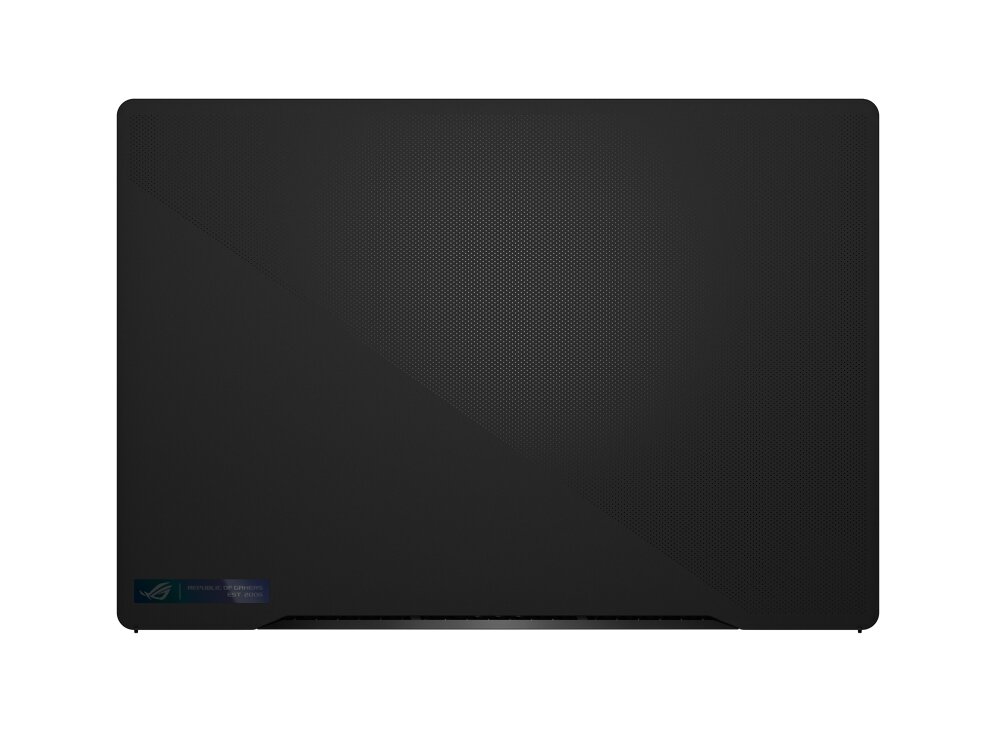
The ASUS ROG Zephyrus M16 GU604VY-NM059X features DDR5-SDRAM memory with two SO-DIMM slots supporting upgrade capacity up to 64 GB maximum. The laptop specifications include 4800 MHz frequency for memory compatibility. Standard RAM upgrade options are available through SO-DIMM compatible modules. The Zephyrus M16 series accommodates DDR5 memory upgrades with dual slot configuration, enabling enhanced performance through maximum capacity expansion to 64 GB total memory.
Memory Upgrade Specifications
| Specification | Value |
|---|---|
| Memory slots | 2x SO-DIMM |
| Form factor | SO-DIMM |
| Memory type | DDR5-SDRAM |
| Frequency | 4800 MHz |
| Maximum RAM | 64 GB |
| Voltage | 1.1V |
| Number of pins | 262-pin |
| Interface | PC5 |
| PC Speed Rating | PC5-4800 (PC5-38400) |
| Bandwidth | 38.4 GB/s |
Additional Notes
- The presence of 2 SO-DIMM slots confirms that this ASUS ROG GU604VY-NM059X utilizes a non-soldered memory architecture, allowing for the complete replacement of factory modules to achieve maximum capacity.
- Dual-channel memory bandwidth is only achievable when both slots are populated with matching modules, which significantly impacts integrated graphics performance and CPU-bound gaming workloads.
- Reaching the 64 GB threshold requires the removal of all existing primary memory since no additional expansion headers exist beyond the 2 physical slots.
- The 4800 MHz frequency indicates a baseline DDR5 speed grade, where installing higher-rated modules will result in an automatic downclocking to match the internal chipset limitations.
- Physical installation requires specific static-discharge precautions and the removal of the bottom chassis panel, which grants direct access to the RAM without disturbing the factory cooling assembly.
- Upgrading to the maximum supported capacity doubles the available workspace for virtual machines and high-resolution video buffers compared to standard 32 GB configurations.
- Latency timings are governed by the slower of the 2 installed modules, necessitating identical CAS latency ratings for optimal system stability.