ASUS ROG GU604VZ-032W RAM upgrade specifications




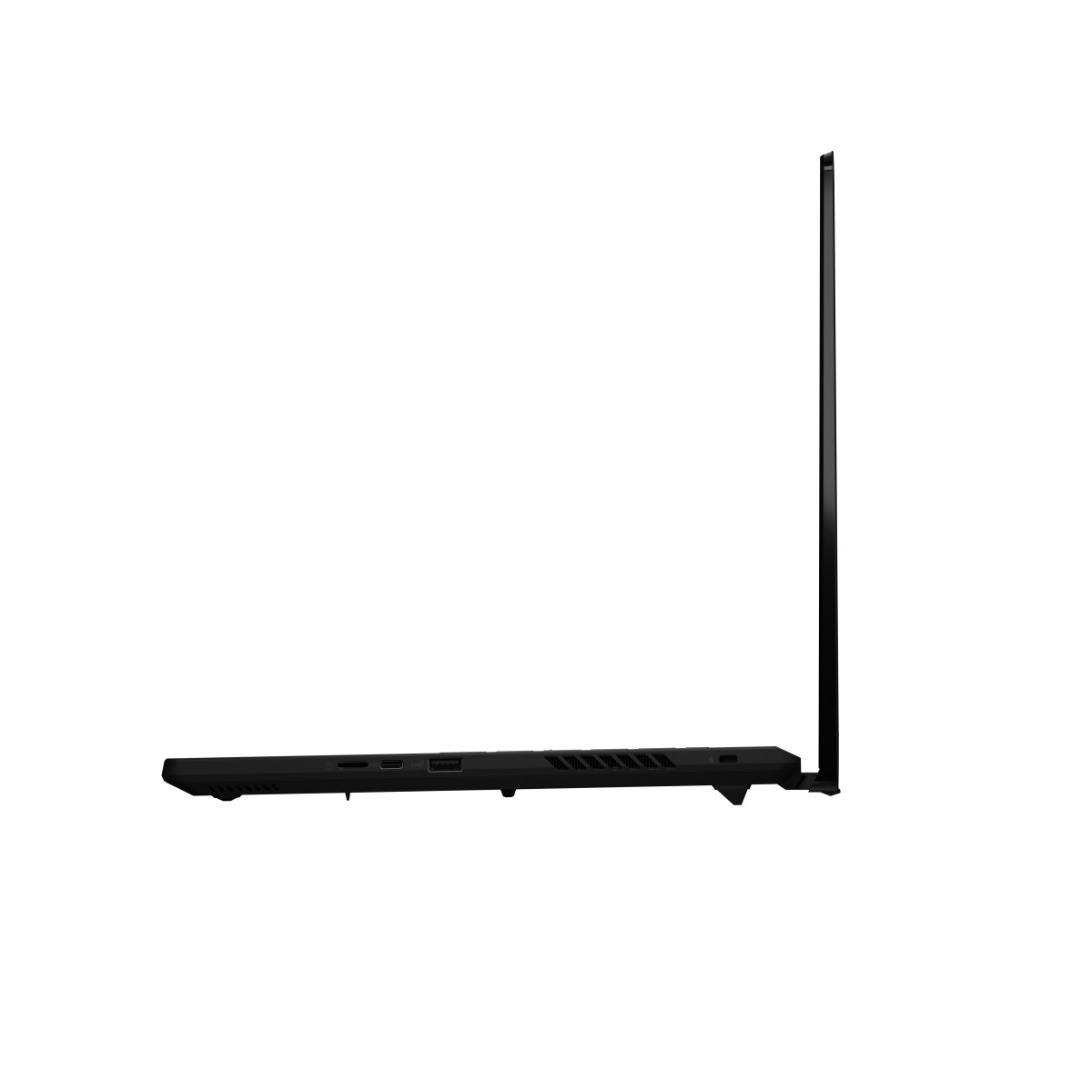
ASUS ROG Zephyrus M16 model GU604VZ-032W features DDR5-SDRAM memory upgrade capability with two SO-DIMM slots supporting maximum capacity of 64 GB total RAM. Memory specifications include DDR5 operating frequency of 4800 MHz. Compatible upgrade modules utilize SO-DIMM form factor for laptop installation. Current memory configuration allows expansion to specifications listed for gaming and performance computing applications.
Memory Upgrade Specifications
| Specification | Value |
|---|---|
| Memory slots | 2x SO-DIMM |
| Form factor | SO-DIMM |
| Memory type | DDR5-SDRAM |
| Frequency | 4800 MHz |
| Maximum RAM | 64 GB |
| Voltage | 1.1V |
| Number of pins | 262-pin |
| Interface | PC5 |
| PC Speed Rating | PC5-4800 (PC5-38400) |
| Bandwidth | 38.4 GB/s |
| Laptop Release date | 17 March 2023 |
Additional Notes
- The ASUS ROG GU604VZ-032W utilizes DDR5-4800 modules, which operate at a higher base voltage (1.1V) compared to DDR4 predecessors, reducing thermal output during extended gaming sessions.
- SO-DIMM slots on this platform support dual-channel memory architecture, meaning mismatched module capacities or speeds will force the system to run in asymmetric mode, potentially limiting bandwidth to the slower module's specifications.
- DDR5 technology incorporates on-die ECC (error correction), which functions independently of system-level ECC support and operates transparently to reduce soft memory errors without user configuration.
- The 64 GB maximum capacity constraint is determined by the chipset's memory controller addressing limits, not by physical slot availability, meaning 32 GB modules represent the highest density per slot for this configuration.
- DDR5-4800 operates at JEDEC standard speeds without requiring XMP profile activation, ensuring compatibility with modules from multiple manufacturers while maintaining warranty coverage.
- The 4800 MHz frequency represents a memory clock of 2400 MHz with a 2:1 bus ratio inherent to DDR (double data rate) architecture, delivering 38.4 GB/s theoretical bandwidth per channel.
- SO-DIMM module height restrictions in this chassis require standard-profile modules, as taller heat spreaders commonly found on desktop DIMMs exceed the 30mm clearance envelope between the memory slot and chassis components.
- Installing a single module will halve available memory bandwidth to approximately 38.4 GB/s total, as the memory controller requires populated slots on both channels to achieve the full 76.8 GB/s throughput.
- DDR5's split-bank architecture divides each module into two independently addressable 32-bit channels, allowing the memory controller to optimize data access patterns differently than DDR4's single 64-bit channel per module.
- Mixing DDR5 modules with different CAS latency timings will force all installed memory to operate at the highest (slowest) latency value among the modules, potentially negating performance advantages of lower-latency premium modules.