ASUS ROG GU604VZ-N4004W RAM upgrade specifications

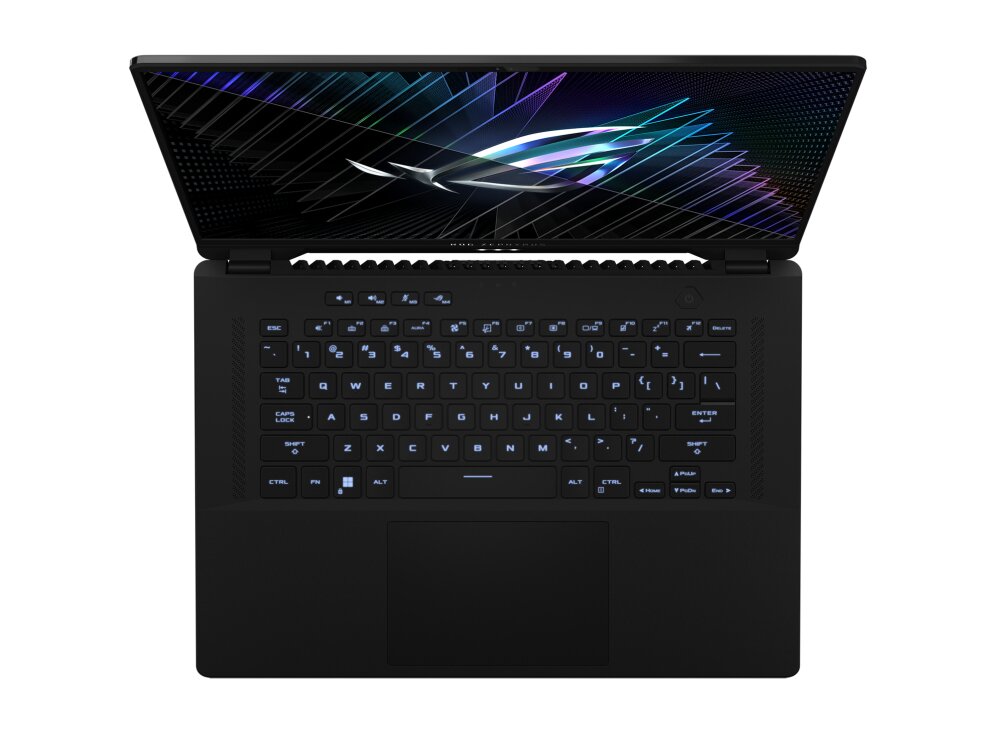

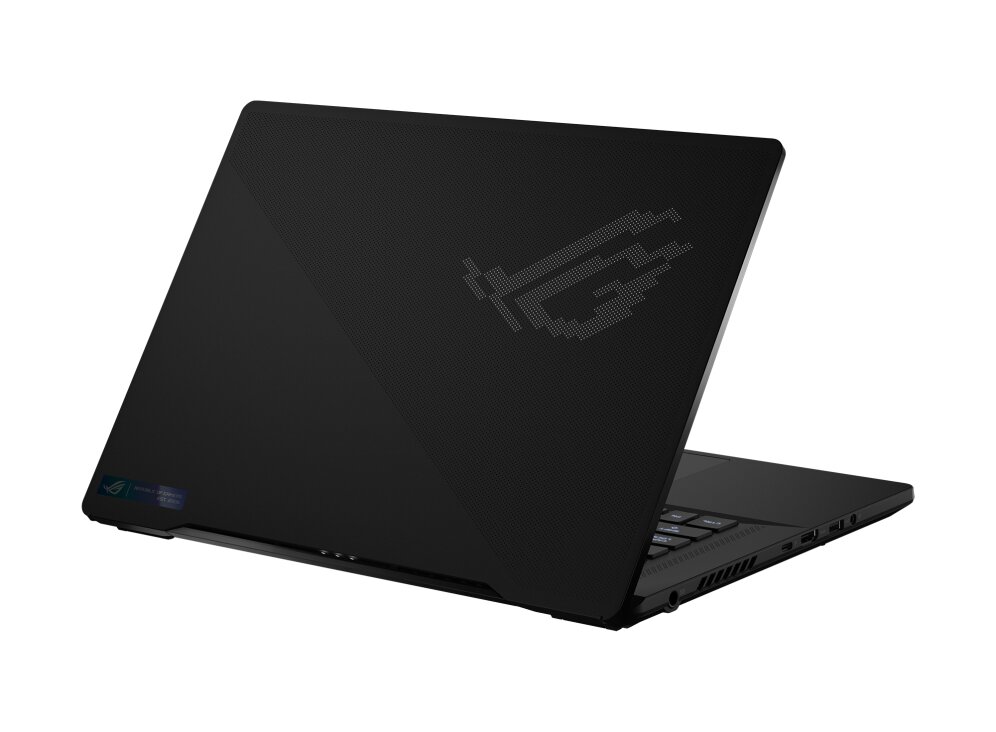
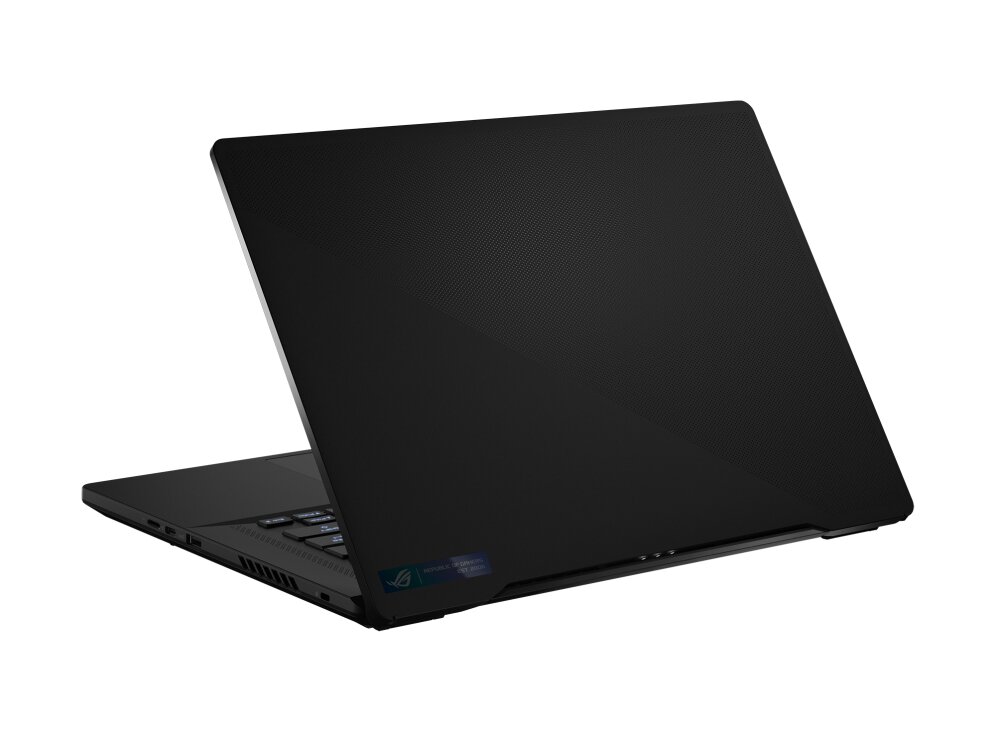
ASUS ROG Zephyrus M16 model GU604VZ-N4004W supports DDR5-SDRAM memory upgrades through two SO-DIMM slots. The laptop accommodates a maximum RAM capacity of 64 GB total. Compatible memory modules operate at 4800 MHz frequency specifications. Upgrade options allow users to replace or expand the existing memory configuration using standard SO-DIMM form factor DDR5 modules for enhanced system performance.
Memory Upgrade Specifications
| Specification | Value |
|---|---|
| Memory slots | 2x SO-DIMM |
| Form factor | SO-DIMM |
| Memory type | DDR5-SDRAM |
| Frequency | 4800 MHz |
| Maximum RAM | 64 GB |
| Voltage | 1.1V |
| Number of pins | 262-pin |
| Interface | PC5 |
| PC Speed Rating | PC5-4800 (PC5-38400) |
| Bandwidth | 38.4 GB/s |
| Laptop Release date | 08 January 2023 |
Additional Notes
- The ASUS ROG GU604VZ-N4004W implements DDR5 memory architecture, which operates at higher base voltages (1.1V) compared to DDR4 (1.2V), reducing thermal output during sustained workloads.
- The 4800 MHz specification represents JEDEC standard DDR5 timing, meaning modules rated at higher speeds will downclock to this frequency unless XMP/EXPO profiles are supported and enabled in BIOS.
- Dual SO-DIMM configuration enables dual-channel memory operation when matched modules are installed, effectively doubling theoretical bandwidth to 76.8 GB/s compared to single-channel configurations.
- The 64 GB maximum capacity requires 2x32 GB modules, which constrains future expansion since both slots must be populated simultaneously to reach this limit.
- SO-DIMM form factor requires physical access through the bottom panel, where warranty seals may be present that could void manufacturer coverage if broken during installation.
- DDR5-4800 operates with higher CAS latency values (typically CL40) compared to DDR4 equivalents, though absolute latency remains competitive due to the increased clock frequency.
- Mixing different capacity modules (such as 16 GB with 8 GB) will function but may disable flex mode, forcing the system into asymmetric dual-channel operation with reduced performance.
- The memory controller integrated into modern mobile processors may exhibit compatibility issues with certain third-party modules that deviate from JEDEC specifications, particularly at 32 GB per-DIMM densities.
- On-die ECC functionality present in DDR5 architecture provides internal error correction but does not replace full ECC memory protection, which requires specific module variants typically unavailable in consumer SO-DIMM formats.
- Thermal considerations become relevant when upgrading to maximum capacity, as densely populated memory slots generate additional heat within the confined laptop chassis during memory-intensive operations.