ASUS ROG GX701LXS-HG007T-BE RAM upgrade specifications



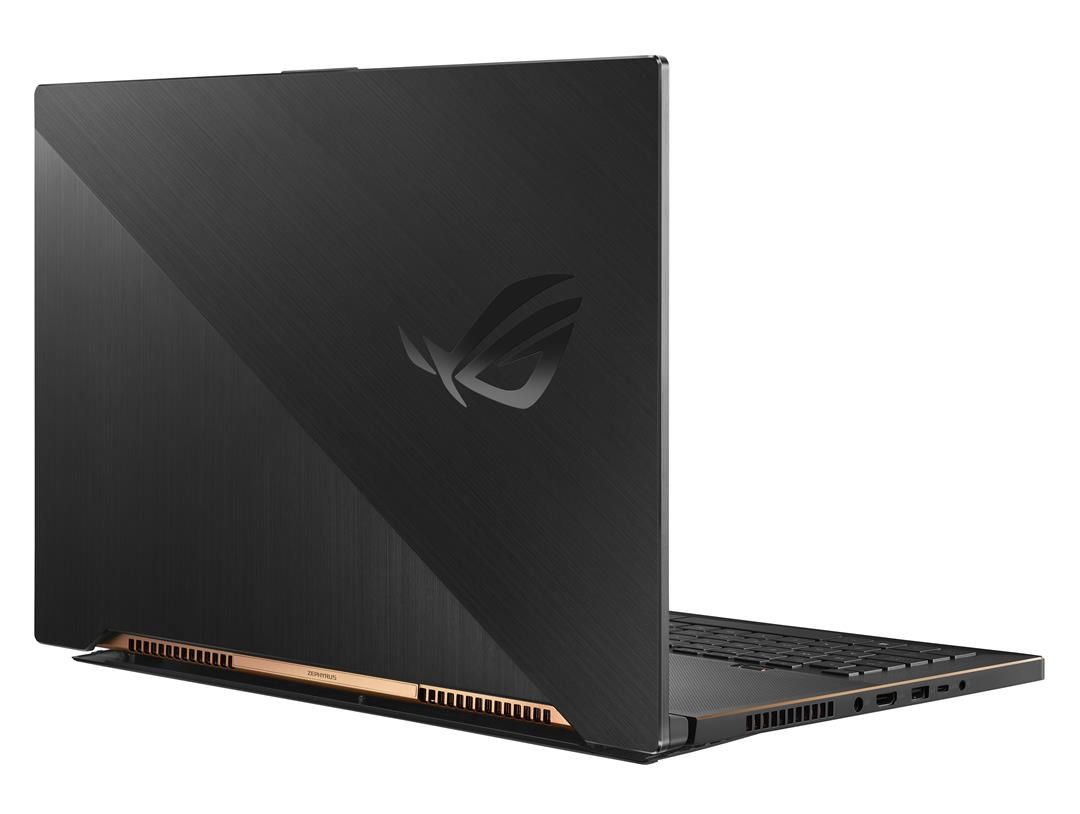
ASUS ROG Zephyrus S GX701LXS-HG007T-BE laptop features DDR4-SDRAM memory upgrade specifications. The device contains 1x SO-DIMM slot for expansion, with maximum RAM capacity of 48 GB. Memory operates at 2933 MHz frequency. The upgrade configuration utilizes on-board memory combined with a single SO-DIMM slot, allowing compatible DDR4 modules to expand the system's total memory capacity. Specifications support standard laptop memory upgrades for enhanced multitasking and performance capabilities.
Memory Upgrade Specifications
| Specification | Value |
|---|---|
| Memory slots | 1x SO-DIMM |
| Form factor | On-board + SO-DIMM |
| Memory type | DDR4-SDRAM |
| Frequency | 2933 MHz |
| Maximum RAM | 48 GB |
| Voltage | 1.2V |
| Number of pins | 260-pin |
| Interface | PC4 |
| PC Speed Rating | PC4-2933 (PC4-23464) |
| Bandwidth | 23.5 GB/s |
| Laptop Release date | 08 April 2020 |
Additional Notes
- The ASUS ROG GX701LXS-HG007T-BE features soldered memory alongside a single expansion slot, limiting upgrade flexibility compared to dual-slot configurations.
- The 48 GB maximum capacity indicates 16 GB of non-removable soldered RAM, restricting the single SO-DIMM slot to a 32 GB module to reach the system ceiling.
- Mixing soldered and slotted memory modules may prevent dual-channel operation across the full capacity if the slot is populated with a module size that doesn't match the onboard configuration.
- The 2933 MHz specification requires DDR4 modules validated at this speed, as faster modules will downclock to match the system's supported frequency.
- SO-DIMM installation in this single-slot design requires complete disassembly of the bottom chassis, potentially voiding warranty seals in certain regions.
- The hybrid memory architecture means replacing defective RAM becomes impossible if the soldered portion fails, requiring motherboard-level repair.
- Achieving optimal memory bandwidth necessitates installing a 16 GB SO-DIMM to create matched pairs with the soldered capacity for symmetrical dual-channel access.
- Third-party modules exceeding JEDEC voltage specifications for DDR4-2933 may cause stability issues due to thermal constraints within the compact chassis design.
- The single expansion slot eliminates incremental upgrade paths, forcing users to purchase the maximum desired capacity in one transaction.