ASUS TUF Dash FX517ZE-72BT5PS1 RAM upgrade specifications
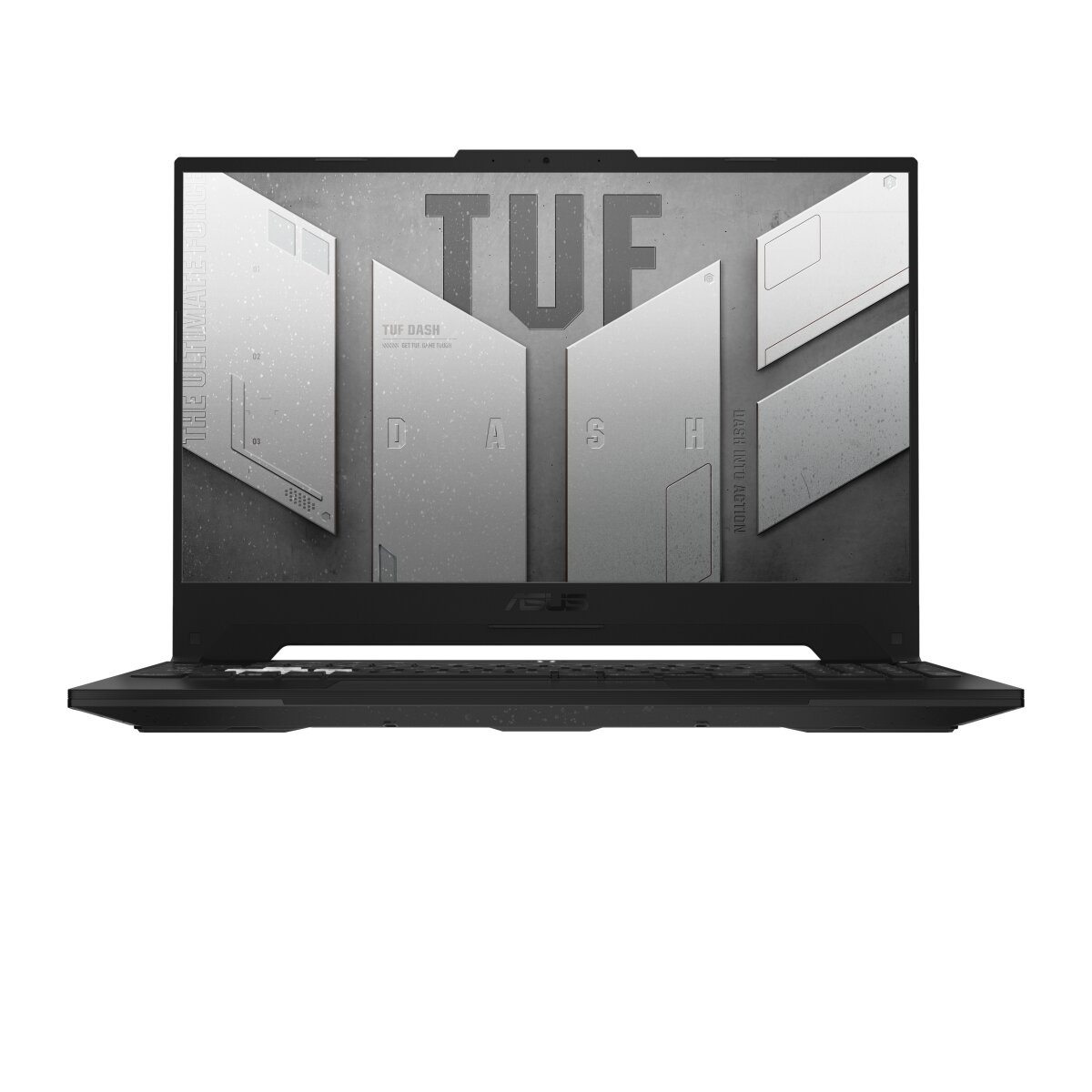
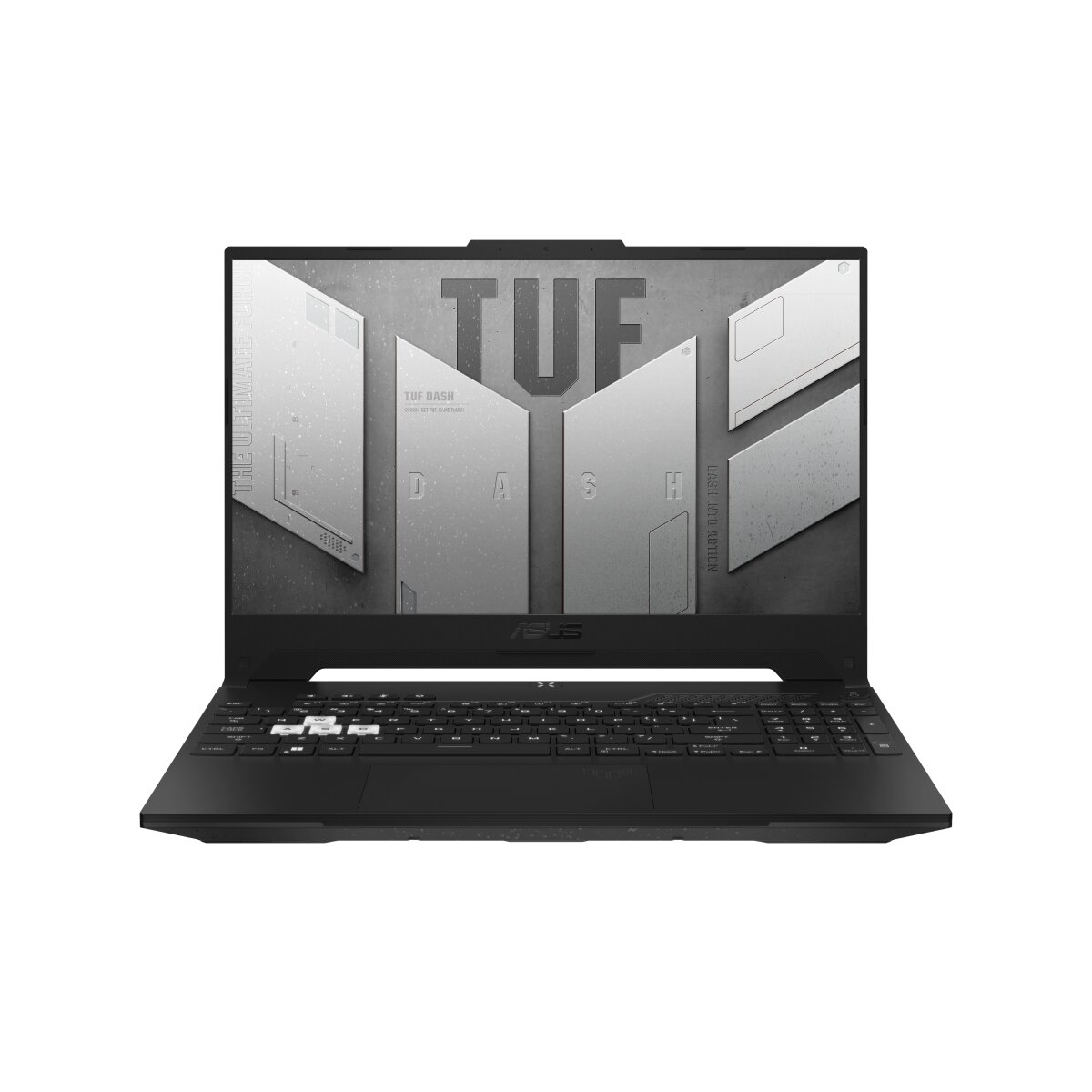
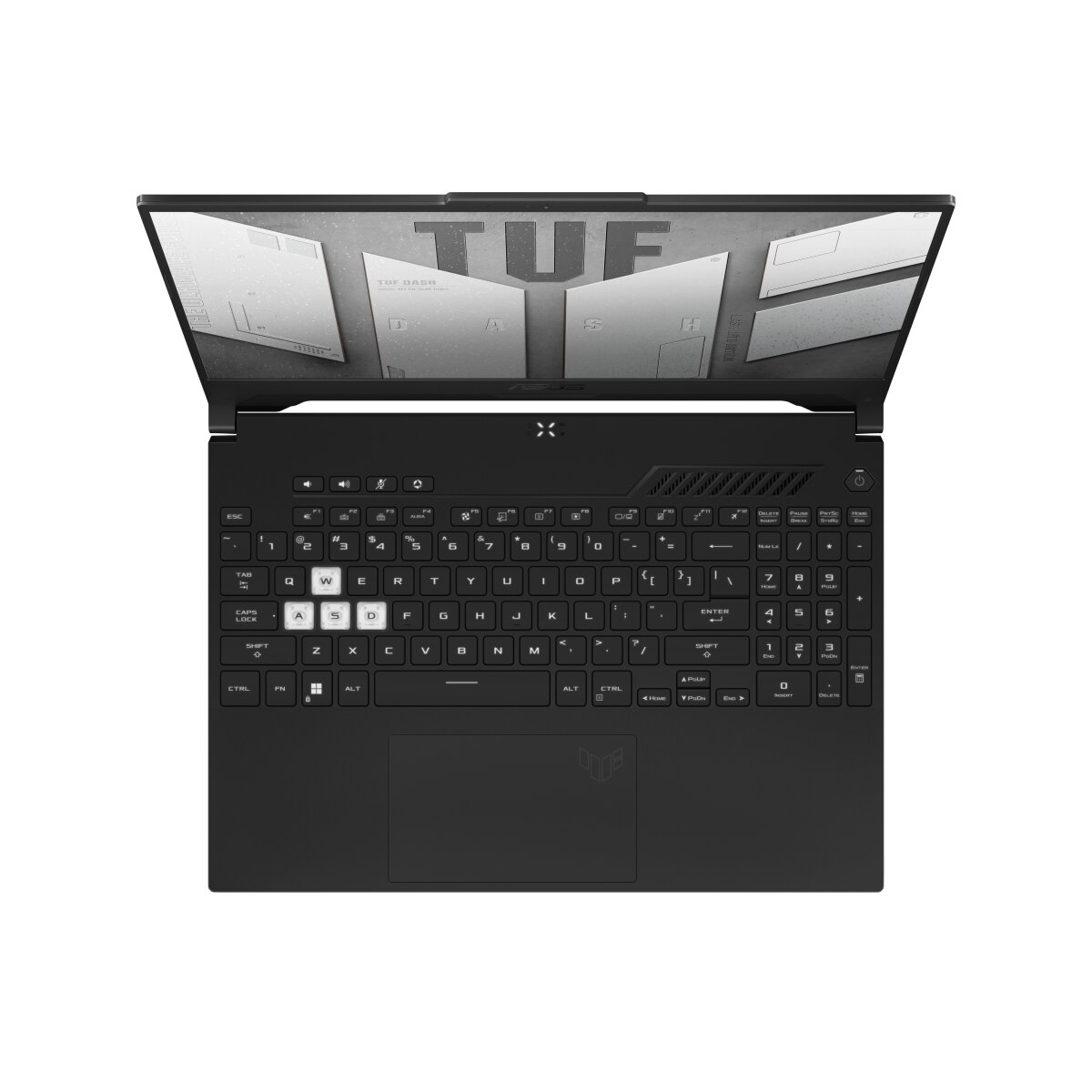
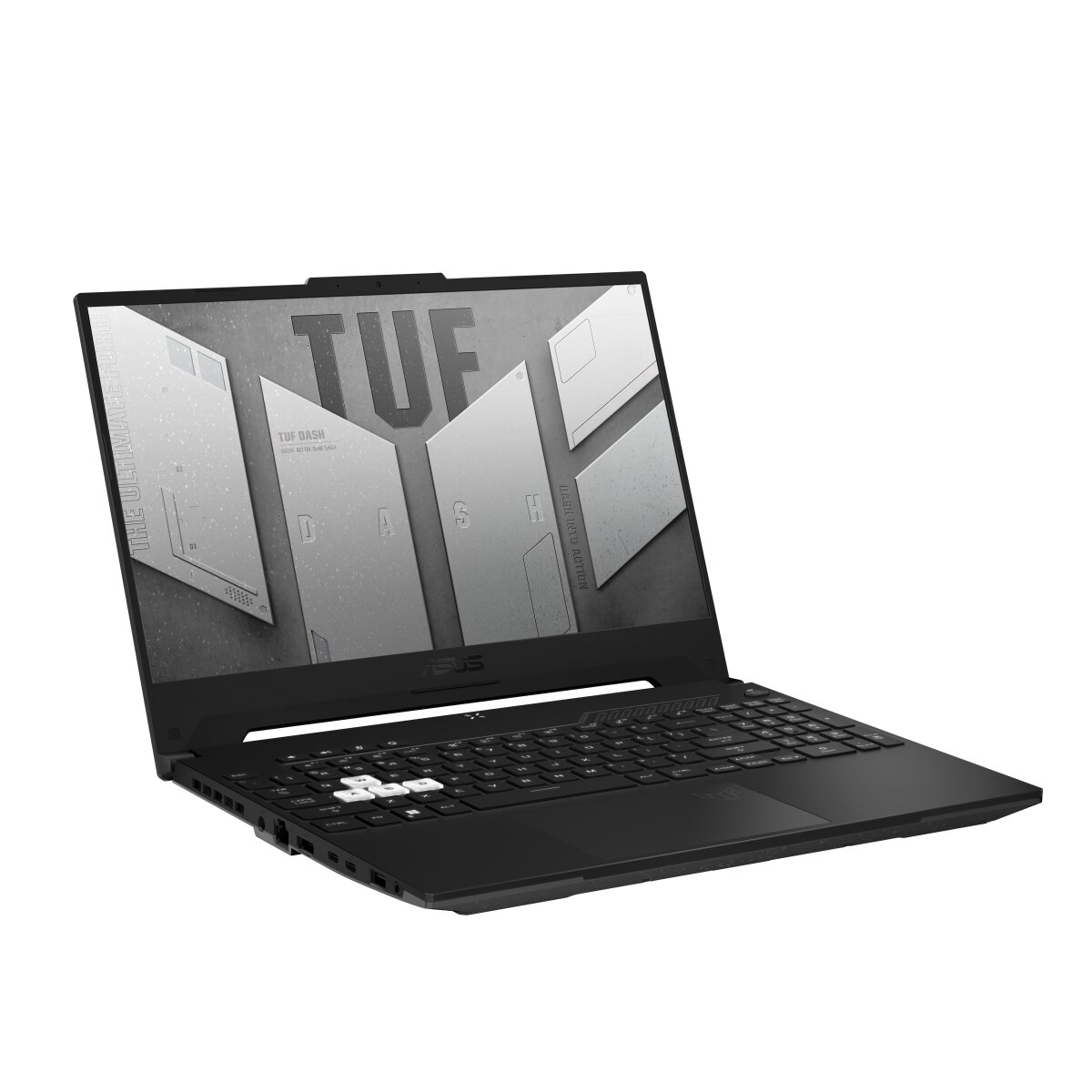
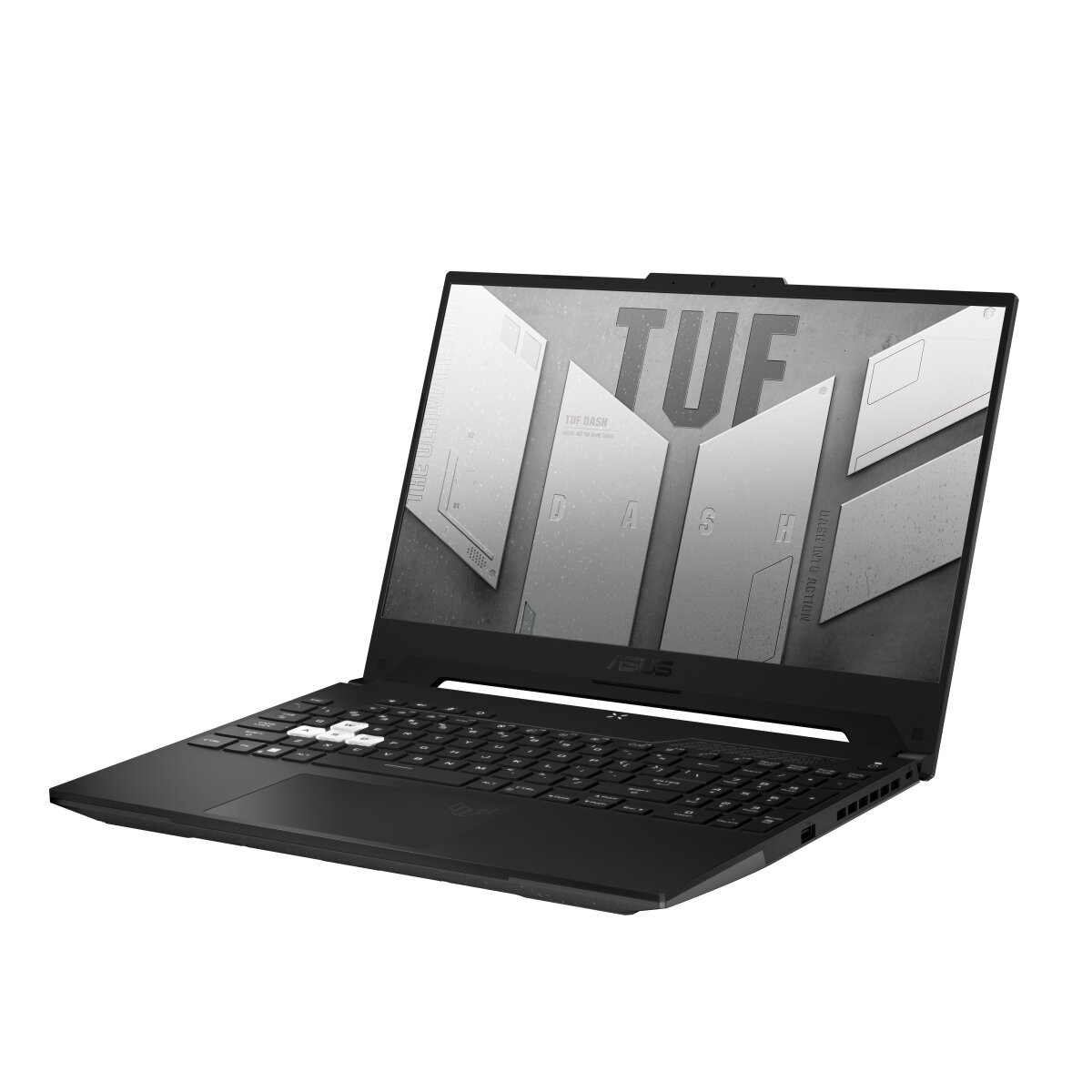
ASUS TUF Dash F15 series model FX517ZE-72BT5PS1 supports DDR5-SDRAM memory upgrades. The laptop contains 2x SO-DIMM slots for RAM expansion. Maximum memory capacity reaches 32 GB total. Compatible upgrades utilize SO-DIMM form factor modules operating at 4800 MHz frequency. Specifications enable memory configuration modifications through accessible upgrade slots, supporting DDR5 technology for enhanced performance and multitasking capabilities on the FX517ZE-72BT5PS1 platform.
Memory Upgrade Specifications
| Specification | Value |
|---|---|
| Memory slots | 2x SO-DIMM |
| Form factor | SO-DIMM |
| Memory type | DDR5-SDRAM |
| Frequency | 4800 MHz |
| Maximum RAM | 32 GB |
| Voltage | 1.1V |
| Number of pins | 262-pin |
| Interface | PC5 |
| PC Speed Rating | PC5-4800 (PC5-38400) |
| Bandwidth | 38.4 GB/s |
| Laptop Release date | 04 March 2023 |
Additional Notes
- The ASUS TUF Dash FX517ZE-72BT5PS1 uses DDR5 modules, which are not backward compatible with DDR4, making existing DDR4 modules from older systems unusable in this configuration.
- The 32 GB maximum capacity constraint means dual-channel operation requires 2 modules of 16 GB each, as single-module configurations would leave performance potential unused.
- DDR5 SO-DIMM modules operate at higher voltages than DDR4 during peak loads, which may affect thermal management in compact chassis designs with limited airflow around memory slots.
- The 4800 MHz specification represents the baseline JEDEC standard for DDR5, indicating that higher-frequency modules rated at 5200 MHz or 5600 MHz will downclock to 4800 MHz when installed.
- Both memory slots must be accessed by removing the bottom panel, as SO-DIMM slots in this form factor are typically positioned side-by-side on the motherboard underside.
- DDR5 architecture features on-die ECC, which operates independently of system-level ECC support and provides error correction without requiring specific module selection.
- Mixing modules with different latency timings, even at the same frequency, may force the memory controller to adopt the slower timing profile across both channels.
- Third-party RAM installations remain warranty-compliant in most regions under magnuson-moss provisions, though manufacturer policies should be verified before seal removal.
- The 4800 MHz data rate translates to PC5-38400 module designation, which must match when sourcing compatible replacements from module manufacturers.
- Single-channel operation with one populated slot reduces memory bandwidth by approximately 50 percent compared to dual-channel configuration, directly impacting integrated graphics performance if present.