ASUS TUF Dash FX517ZC-HQ056W RAM upgrade specifications
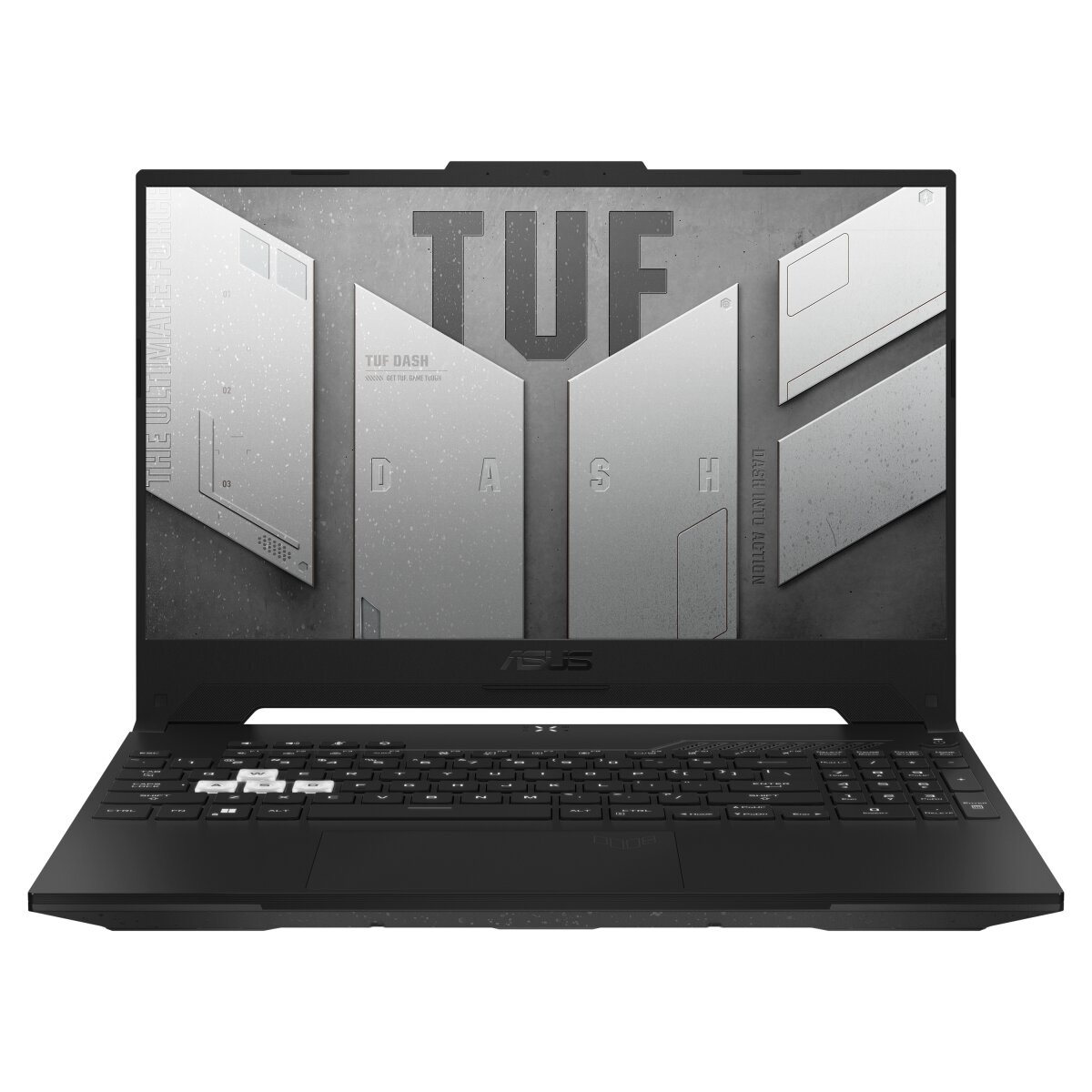
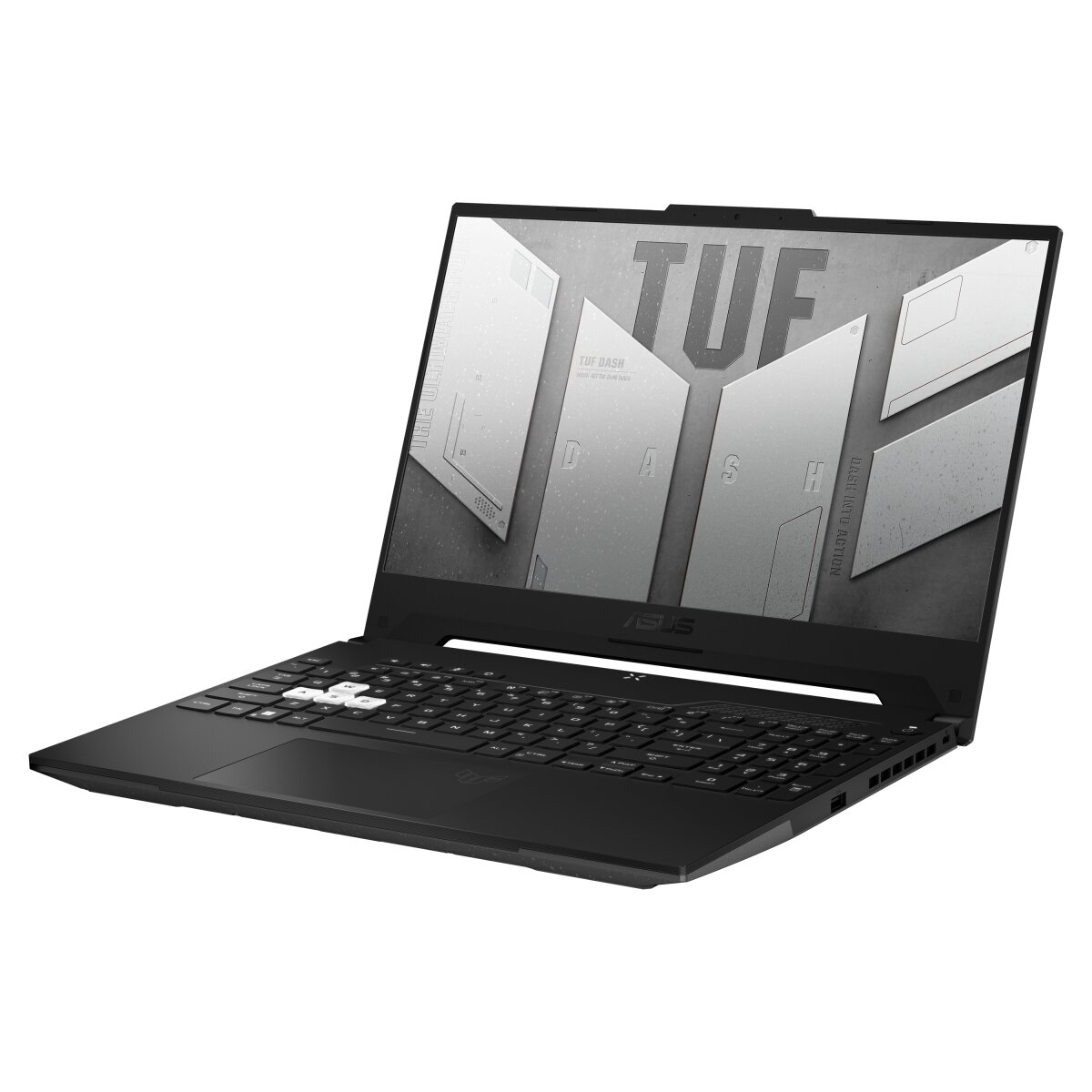
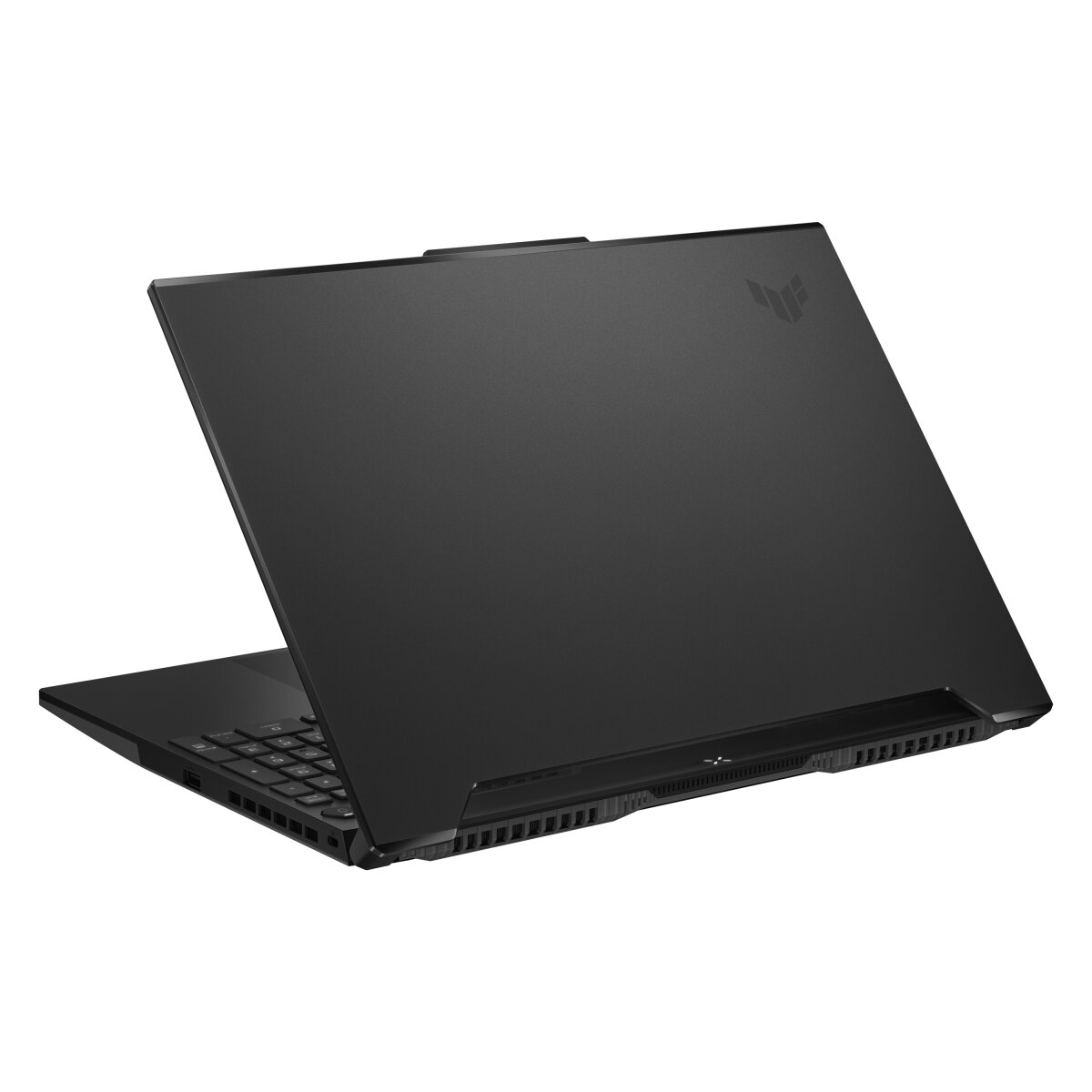
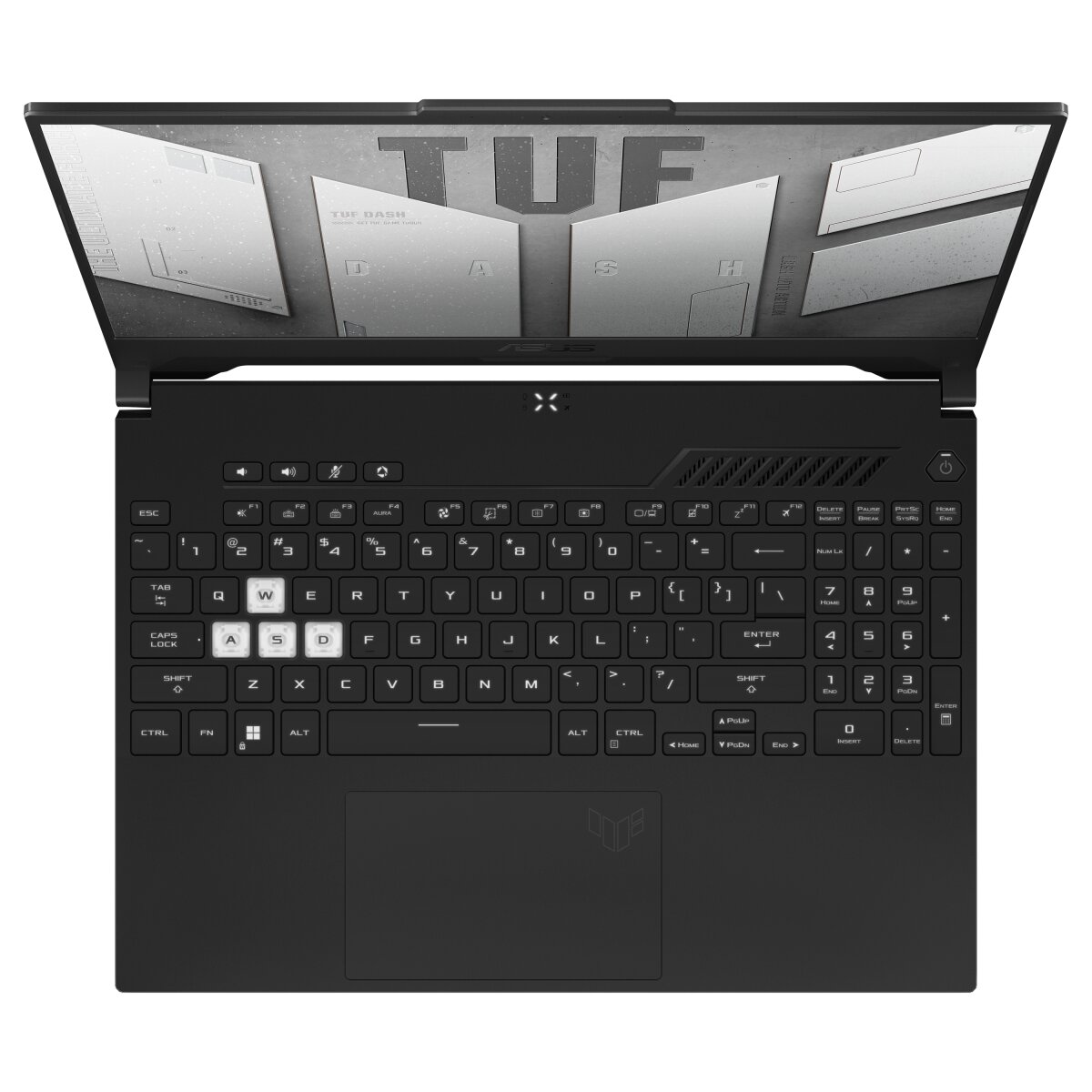
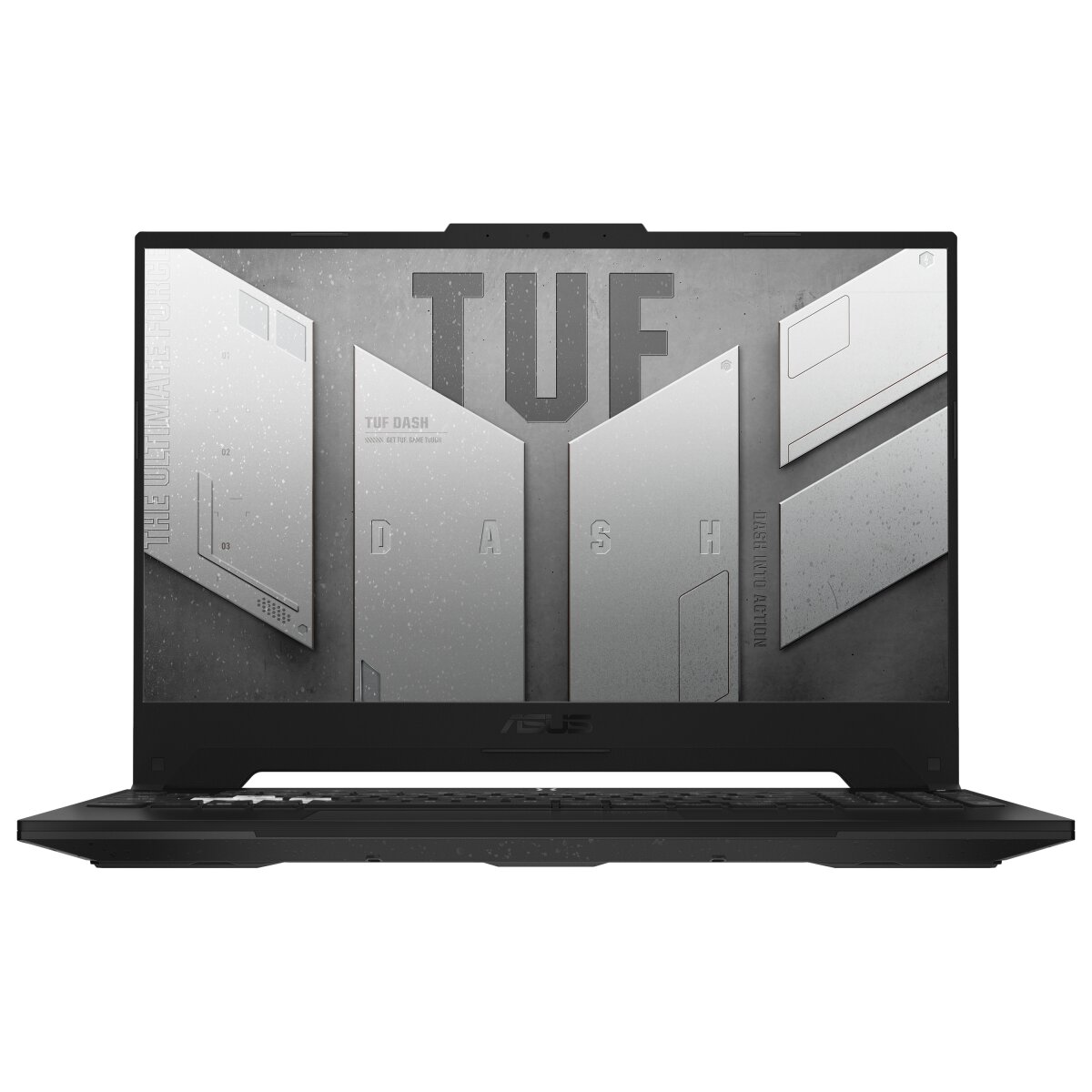
ASUS TUF Dash F15 FX517ZC-HQ056W laptop features DDR5-SDRAM memory upgrade capabilities. The system contains 2x SO-DIMM slots supporting maximum RAM capacity of 32 GB total. Memory specifications include DDR5 operating frequency of 4800 MHz. Compatible upgrades utilize SO-DIMM form factor modules. The FX517ZC-HQ056W specifications enable memory expansion for enhanced system performance and multitasking capabilities through standard DDR5 module installation in available memory slots.
Memory Upgrade Specifications
| Specification | Value |
|---|---|
| Memory slots | 2x SO-DIMM |
| Form factor | SO-DIMM |
| Memory type | DDR5-SDRAM |
| Frequency | 4800 MHz |
| Maximum RAM | 32 GB |
| Voltage | 1.1V |
| Number of pins | 262-pin |
| Interface | PC5 |
| PC Speed Rating | PC5-4800 (PC5-38400) |
| Bandwidth | 38.4 GB/s |
| Laptop Release date | 10 January 2022 |
Additional Notes
- DDR5 modules operating below 4800 MHz will throttle system memory bandwidth and potentially underutilize the chipset's native memory controller capabilities.
- The 32 GB ceiling on the ASUS TUF Dash FX517ZC-HQ056W reflects chipset-level addressing limitations rather than physical slot restrictions, making 64 GB configurations incompatible regardless of module availability.
- Single-channel population (occupying only one SO-DIMM slot) halves available memory bandwidth, directly impacting integrated graphics performance and memory-intensive computational tasks.
- DDR5's higher operating voltage sensitivity requires modules with integrated power management ICs, eliminating compatibility with DDR4 form-factor adapters despite identical SO-DIMM physical dimensions.
- Thermal constraints in thin gaming chassis designs may cause DDR5 modules exceeding JEDEC thermal specifications to trigger throttling, independent of rated frequency compliance.
- Asymmetric memory configurations (pairing modules of different capacities) disable flex mode optimizations, forcing the system into single-channel operation for the entire memory pool.
- Non-XMP DDR5 modules default to JEDEC baseline speeds (typically 4800 MHz), requiring manual BIOS intervention to achieve advertised frequencies on XMP-rated kits.
- Warranty preservation mandates adherence to manufacturer-specified module heights, as taller heat spreaders may create mechanical interference with keyboard assemblies or cooling solutions.
- The SO-DIMM interface's physical keying prevents insertion of incompatible memory generations, but does not verify frequency or capacity compatibility before POST failures occur.
- Mixed-brand module installations introduce subtiming mismatches that force conservative memory controller settings, reducing effective throughput below the rated 4800 MHz specification.