ASUS TUF Dash FX517ZC-HN098W RAM upgrade specifications


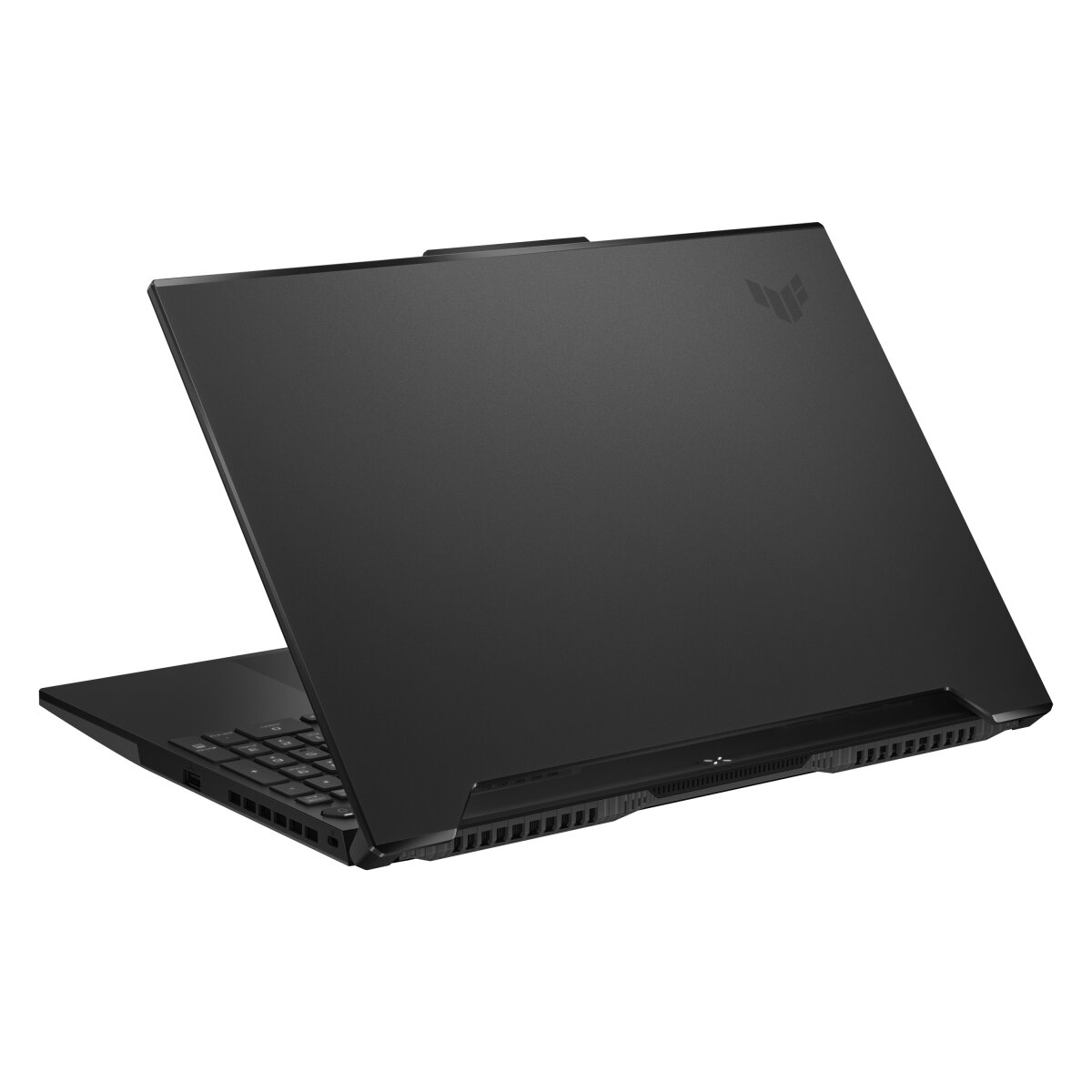


The ASUS TUF Dash F15 FX517ZC-HN098W supports DDR5-SDRAM memory upgrades with 2x SO-DIMM slots. Maximum RAM capacity reaches 32 GB. Compatible memory operates at 4800 MHz frequency. Upgrade specifications utilize SO-DIMM form factor modules. Memory upgrade options provide expanded system capacity for the FX517ZC-HN098W laptop model within supported compatibility parameters.
Memory Upgrade Specifications
| Specification | Value |
|---|---|
| Memory slots | 2x SO-DIMM |
| Form factor | SO-DIMM |
| Memory type | DDR5-SDRAM |
| Frequency | 4800 MHz |
| Maximum RAM | 32 GB |
| Voltage | 1.1V |
| Number of pins | 262-pin |
| Interface | PC5 |
| PC Speed Rating | PC5-4800 (PC5-38400) |
| Bandwidth | 38.4 GB/s |
| Laptop Release date | 25 May 2022 |
Additional Notes
- The ASUS TUF Dash FX517ZC-HN098W implements dual-channel memory architecture through its 2 SO-DIMM slots, meaning maximum bandwidth requires matched module pairs.
- The 32 GB ceiling restricts configurations to either 2x16 GB modules or asymmetric combinations, eliminating future-proofing beyond this threshold regardless of individual module capacity.
- DDR5-4800 represents the minimum JEDEC standard for DDR5 technology, positioning this system at the entry tier of DDR5 performance compared to higher-speed DDR5-5200 or DDR5-5600 implementations.
- Mixing modules with different speeds will force all installed memory to operate at the lowest common frequency, negating any performance advantage from faster-rated modules.
- SO-DIMM physical dimensions measure 67.6mm in length versus desktop DIMM's 133.35mm, making standard desktop memory modules mechanically incompatible regardless of electrical specifications.
- DDR5 modules require 1.1V operating voltage compared to DDR4's 1.2V, creating absolute electrical incompatibility with previous-generation memory despite identical SO-DIMM form factors.
- Dual-rank modules may encounter stability limitations on certain motherboard implementations when populating both slots at maximum capacity, particularly at higher frequencies.
- The on-die ECC feature inherent to DDR5 architecture operates transparently at the DRAM level but does not provide user-accessible error reporting like traditional ECC memory.
- Accessing internal SO-DIMM slots typically requires bottom panel removal, which may involve breaking manufacturer seals that void warranty coverage depending on regional consumer protection laws.
- Thermal performance benefits from lower DDR5 operating voltages may be offset by higher power consumption during active operations compared to equivalent DDR4 configurations.
- Memory channel population affects integrated graphics performance more significantly than discrete GPU performance, though bandwidth limitations can create CPU-bound scenarios in specific workloads.
- Single-module configurations halve available memory bandwidth by utilizing only one of the two channels, creating measurable performance deficits in bandwidth-sensitive applications.