ASUS TUF Dash FX517ZC-HN063W-BE RAM upgrade specifications
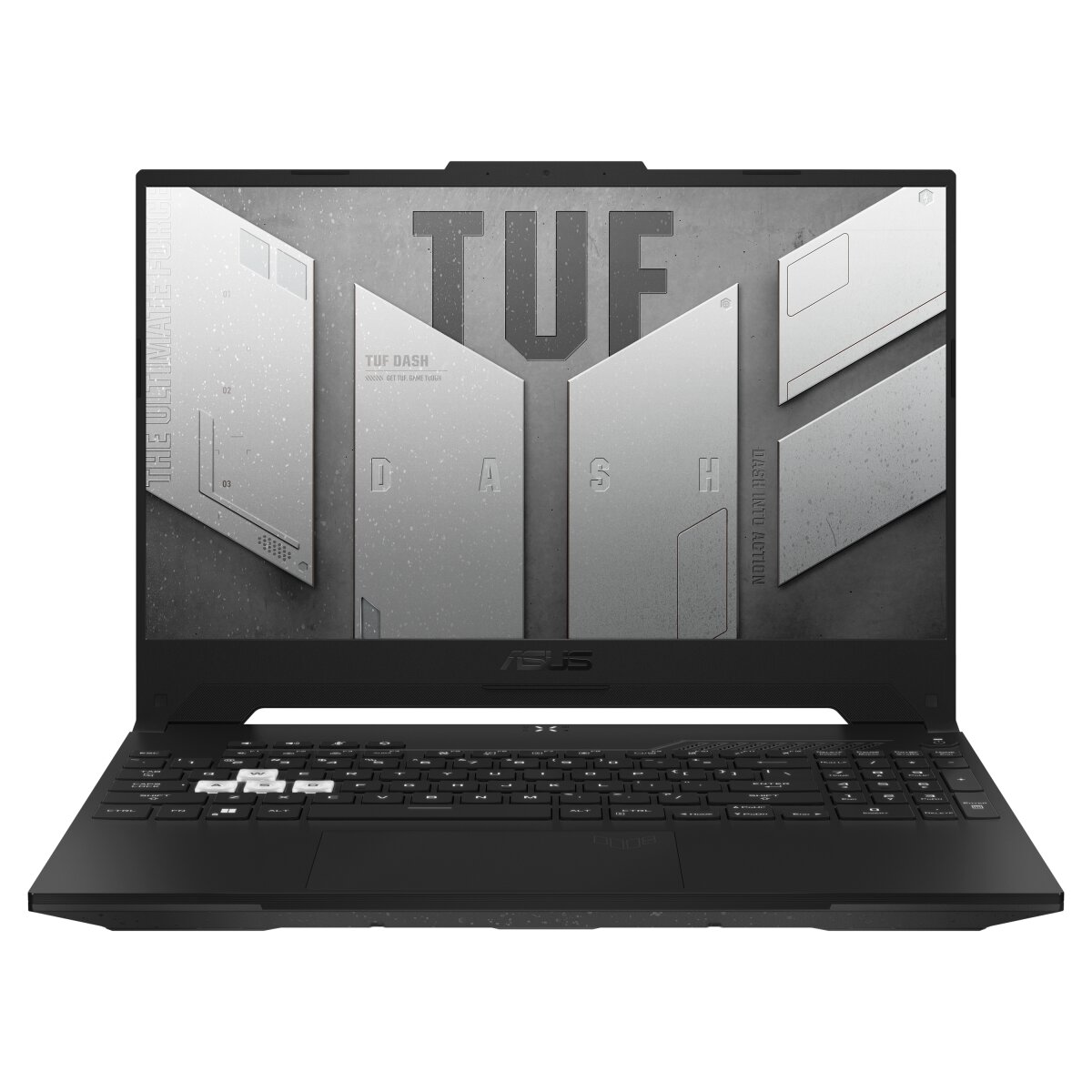

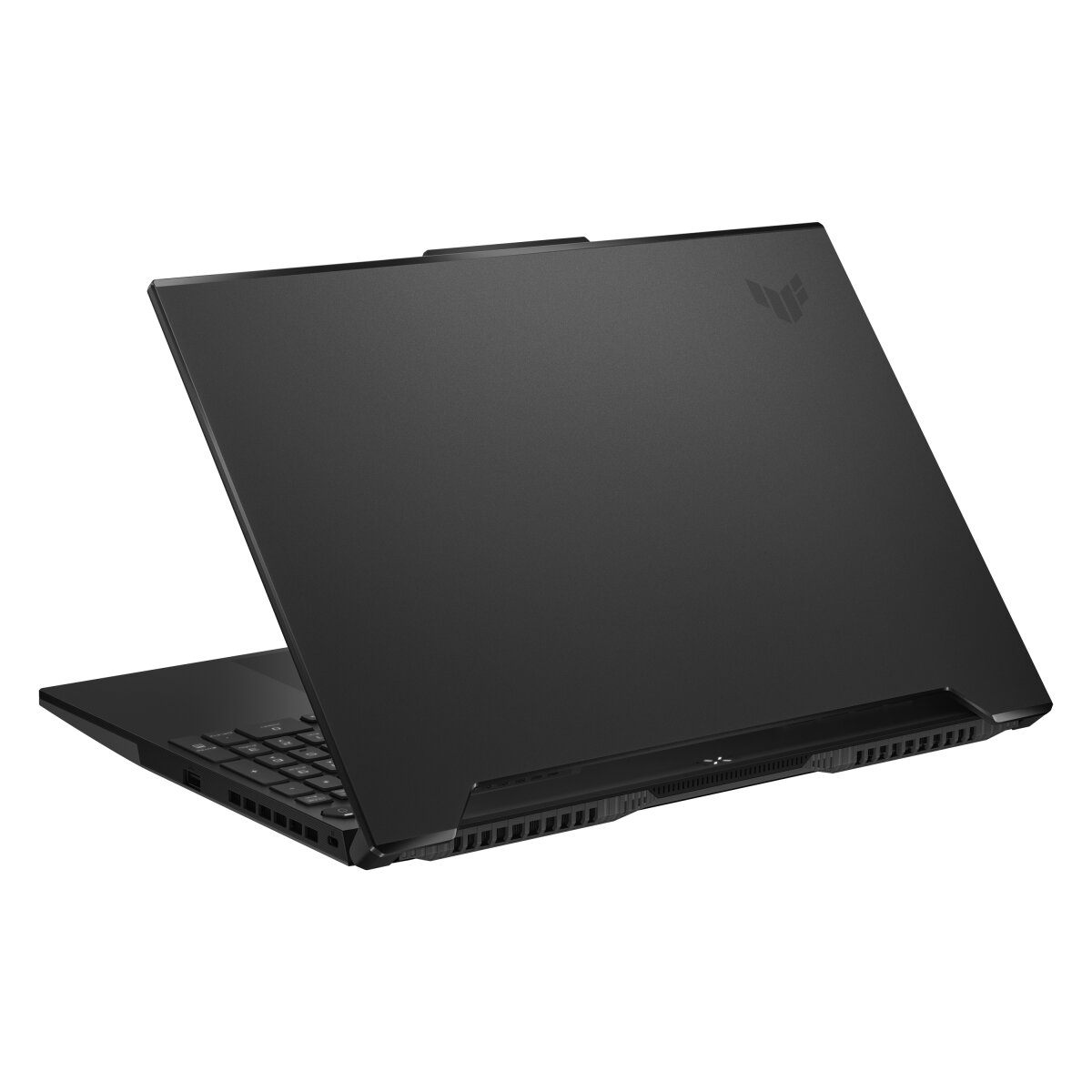

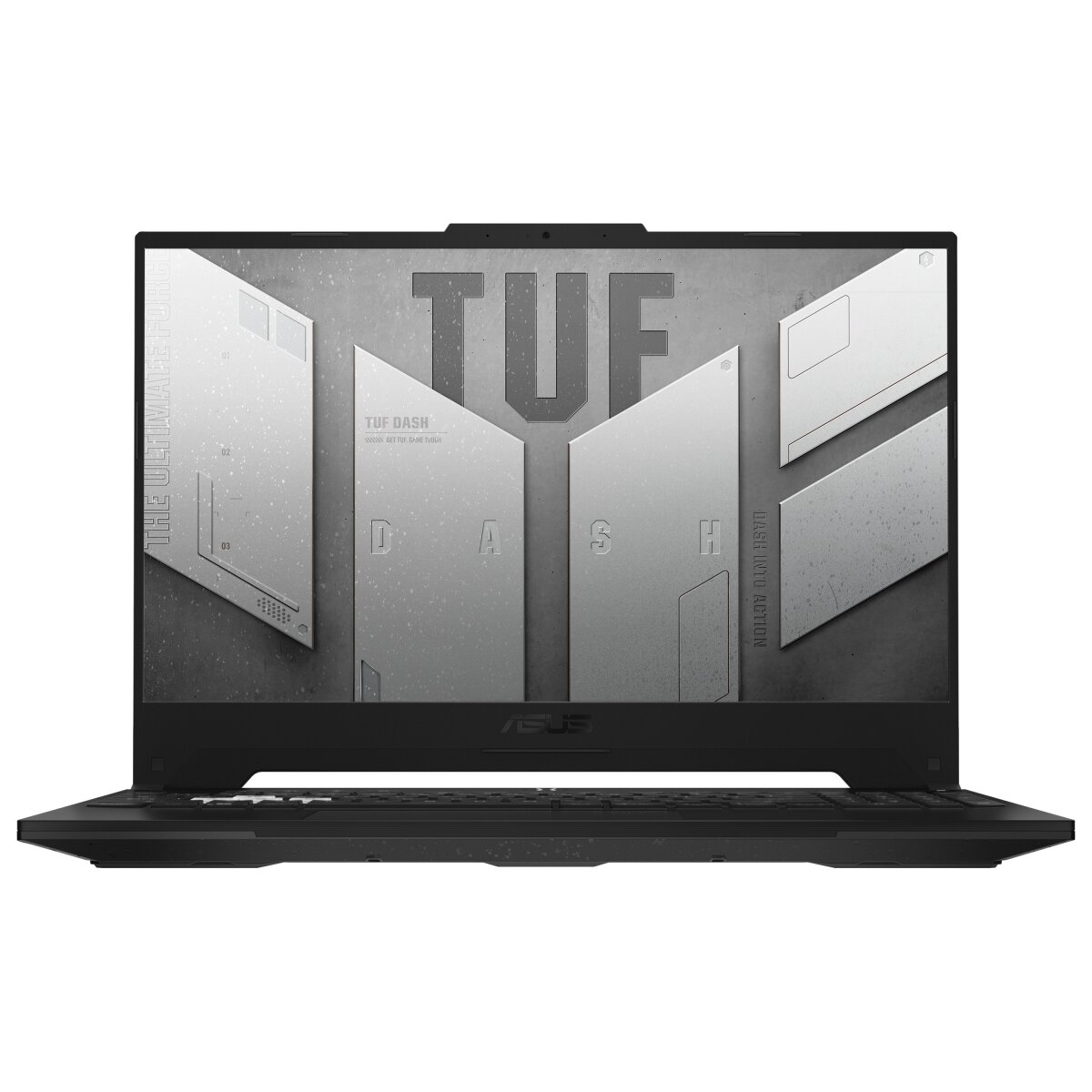
The ASUS TUF Dash F15 FX517ZC-HN063W-BE contains two SO-DIMM memory slots compatible with DDR5-SDRAM modules. The laptop supports maximum RAM capacity of 32 GB, with memory specifications operating at 4800 MHz frequency. Upgrade options include replacing or expanding existing DDR5 memory modules within the available SO-DIMM slots to reach the maximum supported capacity. Compatible RAM specifications must match DDR5-SDRAM standards and SO-DIMM form factor requirements for proper installation in this ASUS TUF Dash series gaming laptop.
Memory Upgrade Specifications
| Specification | Value |
|---|---|
| Memory slots | 2x SO-DIMM |
| Form factor | SO-DIMM |
| Memory type | DDR5-SDRAM |
| Frequency | 4800 MHz |
| Maximum RAM | 32 GB |
| Voltage | 1.1V |
| Number of pins | 262-pin |
| Interface | PC5 |
| PC Speed Rating | PC5-4800 (PC5-38400) |
| Bandwidth | 38.4 GB/s |
| Laptop Release date | 16 April 2022 |
Additional Notes
- The 32 GB maximum capacity limitation on this ASUS TUF Dash FX517ZC-HN063W-BE stems from chipset addressing constraints rather than physical slot availability, preventing installation of higher-density modules that exceed 16 GB per SO-DIMM.
- DDR5-4800 represents the baseline JEDEC standard specification, meaning modules rated at higher frequencies like 5200 MHz or 5600 MHz will downclock to 4800 MHz due to memory controller restrictions.
- Both SO-DIMM slots support dual-channel operation when populated with matched capacity modules, delivering 76.8 GB/s theoretical bandwidth compared to 38.4 GB/s in single-channel configurations with mismatched or single-module setups.
- DDR5 SO-DIMM modules operate at 1.1V compared to DDR4's 1.2V, but compatibility is non-existent between generations due to different notch positions and electrical signaling, making DDR4 modules physically incompatible.
- The 2x SO-DIMM socket configuration indicates user-accessible memory bays rather than soldered components, permitting post-purchase upgrades without voiding standard manufacturer warranties when using qualified modules.
- Memory latency at DDR5-4800 operates at CL40 or higher, translating to approximately 16.67 nanoseconds absolute latency, which impacts frame pacing in CPU-bound gaming scenarios compared to tighter timings available on higher-frequency kits.
- Installing non-matching modules triggers JEDEC's asymmetric mode rather than flex mode, where only the overlapping capacity operates in dual-channel while excess capacity reverts to single-channel, creating performance inconsistencies across memory ranges.
- Thermal considerations require SO-DIMM modules without tall heat spreaders exceeding standard 30mm height specifications, as chassis clearance between memory slots and bottom panel typically measures 32-35mm in this form factor.