ASUS TUF Dash FX517ZC-52D35PB1 RAM upgrade specifications
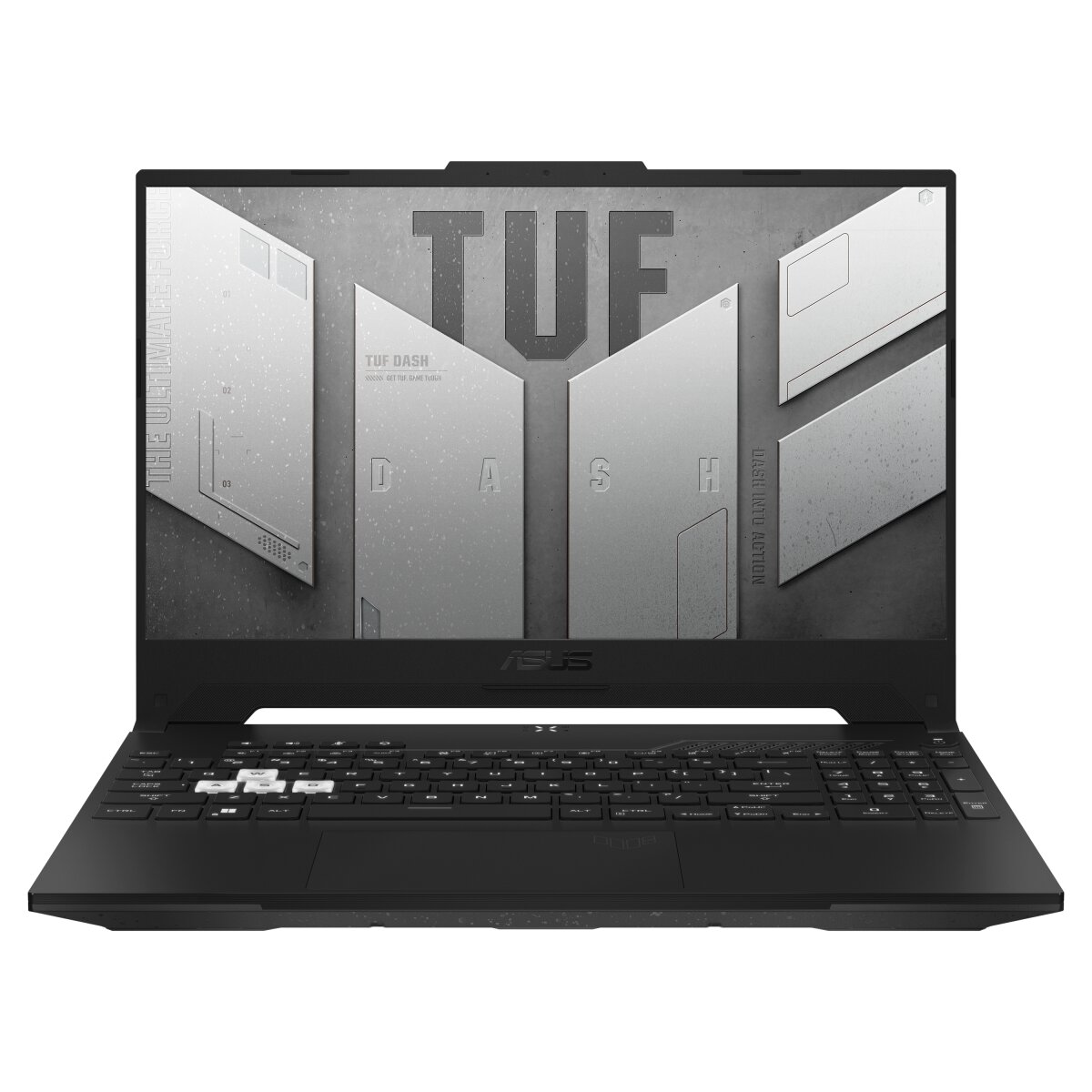
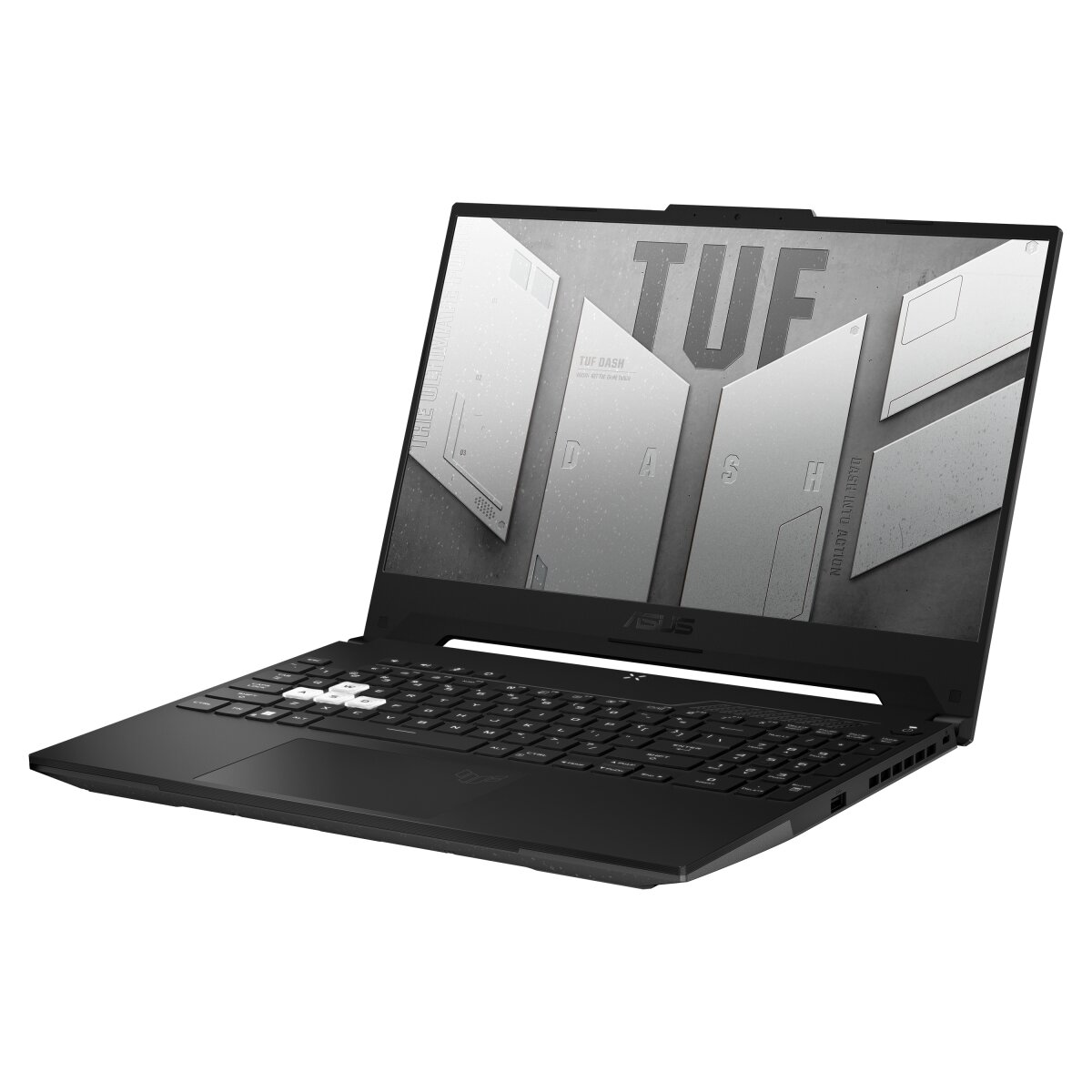
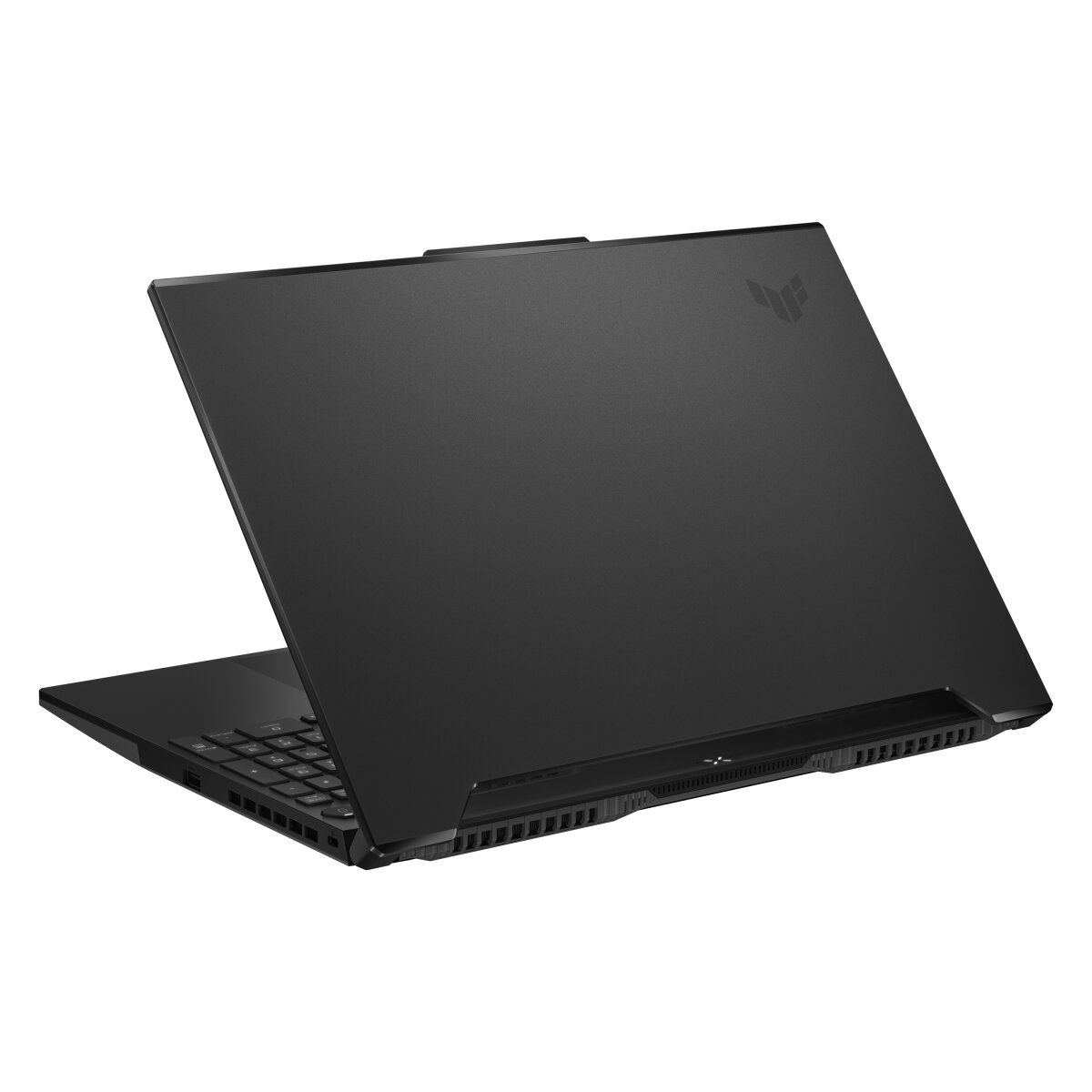
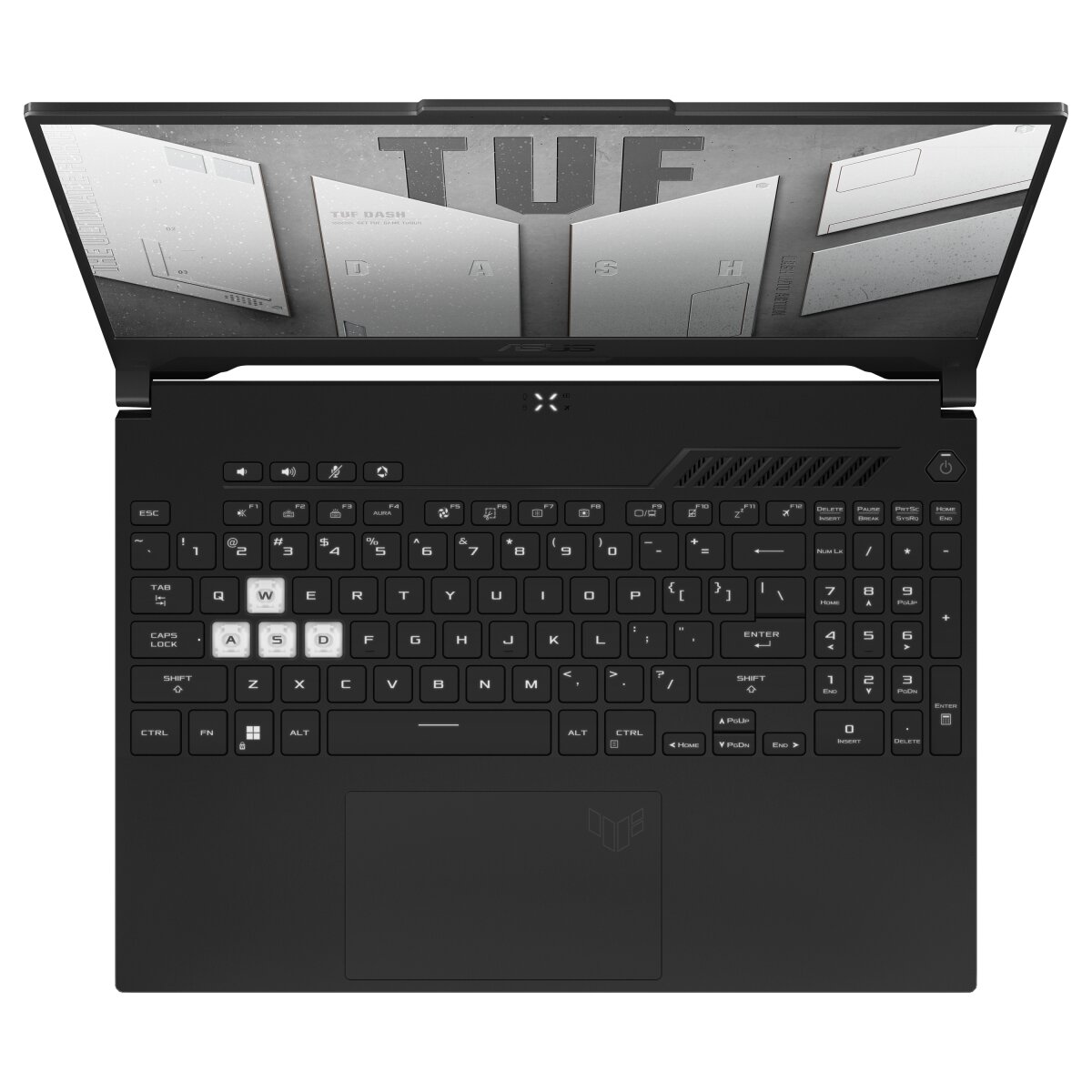
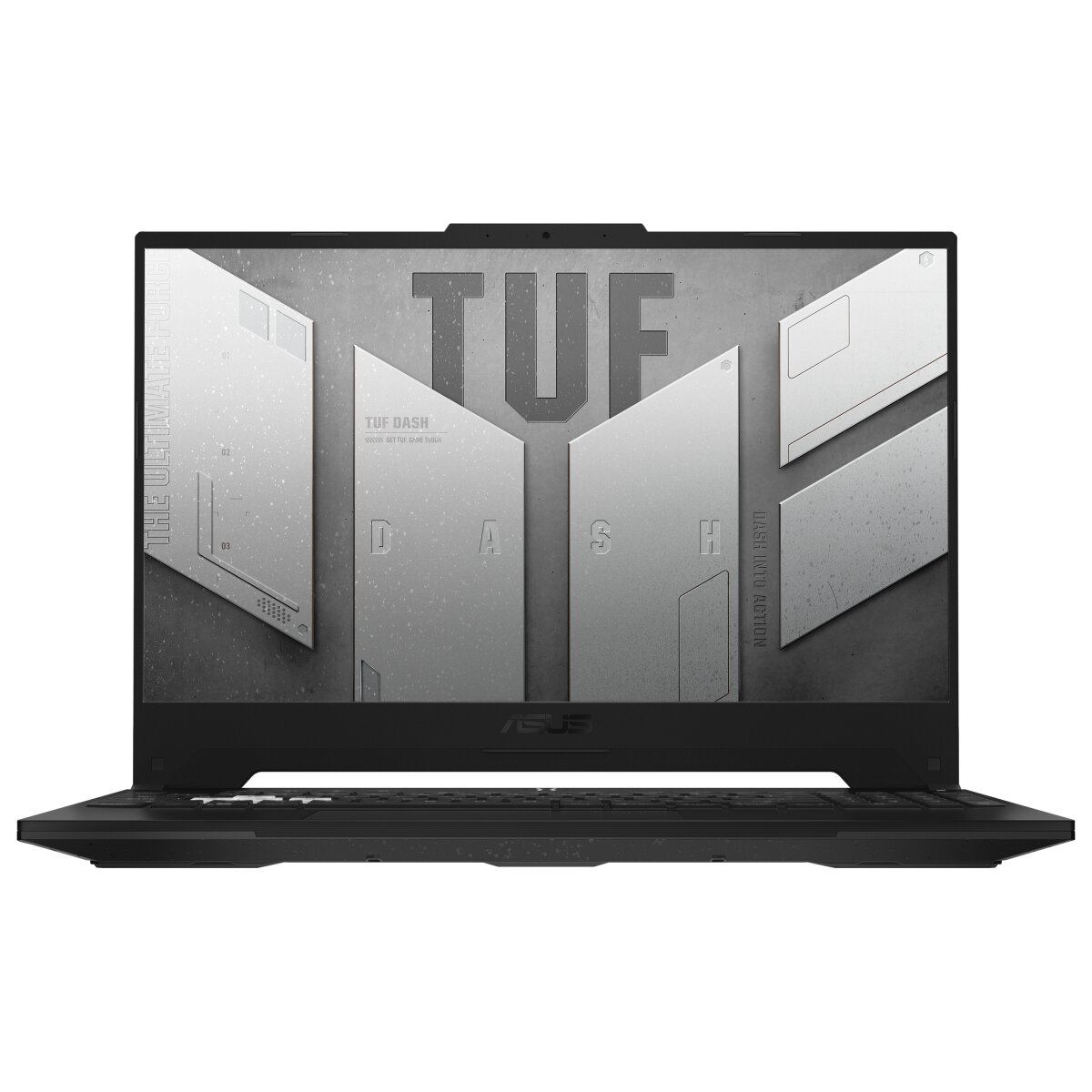
ASUS TUF Dash F15 series model FX517ZC-52D35PB1 supports DDR5-SDRAM memory upgrades. The laptop features two SO-DIMM slots for RAM expansion, with maximum compatible capacity of 32 GB total. Memory specifications include DDR5-SDRAM type with 4800 MHz frequency support. Upgrade options utilize SO-DIMM form factor modules. Current memory configuration and available upgrade paths depend on factory-installed capacity. Compatible RAM modules must match DDR5-SDRAM specifications and SO-DIMM form factor for proper functionality in designated slots.
Memory Upgrade Specifications
| Specification | Value |
|---|---|
| Memory slots | 2x SO-DIMM |
| Form factor | SO-DIMM |
| Memory type | DDR5-SDRAM |
| Frequency | 4800 MHz |
| Maximum RAM | 32 GB |
| Voltage | 1.1V |
| Number of pins | 262-pin |
| Interface | PC5 |
| PC Speed Rating | PC5-4800 (PC5-38400) |
| Bandwidth | 38.4 GB/s |
| Laptop Release date | 19 May 2022 |
Additional Notes
- The ASUS TUF Dash FX517ZC-52D35PB1 implements a dual-channel memory architecture, requiring matched pairs for optimal bandwidth utilization and to avoid single-channel performance degradation.
- DDR5-SDRAM modules operate at 1.1V standard voltage, eliminating compatibility with DDR4 modules due to incompatible pin configurations and electrical specifications.
- The 4800 MHz frequency represents JEDEC baseline specification for DDR5, with potential support for higher-speed modules that may downclock to 4800 MHz if the memory controller lacks native support for enhanced profiles.
- The 32 GB maximum capacity enforces a 2x16 GB configuration as the only viable path to reach system limits, preventing use of higher-density 24 GB or 32 GB modules per slot.
- SO-DIMM form factor indicates soldered or clip-retention installation without screw mounting, requiring alignment with keyed notches positioned differently than DDR4 to prevent insertion errors.
- Mixing modules with different speeds or timings will force all modules to operate at the lowest common frequency and most relaxed timings across the installed set.
- DDR5 architecture integrates voltage regulation on each module rather than motherboard-level regulation, affecting power delivery characteristics and thermal management compared to previous generations.
- Non-ECC unbuffered modules represent the standard consumer specification, while ECC or registered modules designed for server applications will not initialize in this consumer-grade memory controller.
- The 2-slot limitation prevents capacity expansion beyond the 32 GB ceiling without complete replacement of existing modules, making initial configuration decisions permanent within the maximum constraint.