ASUS TUF Dash FX516PR-HN064T RAM upgrade specifications




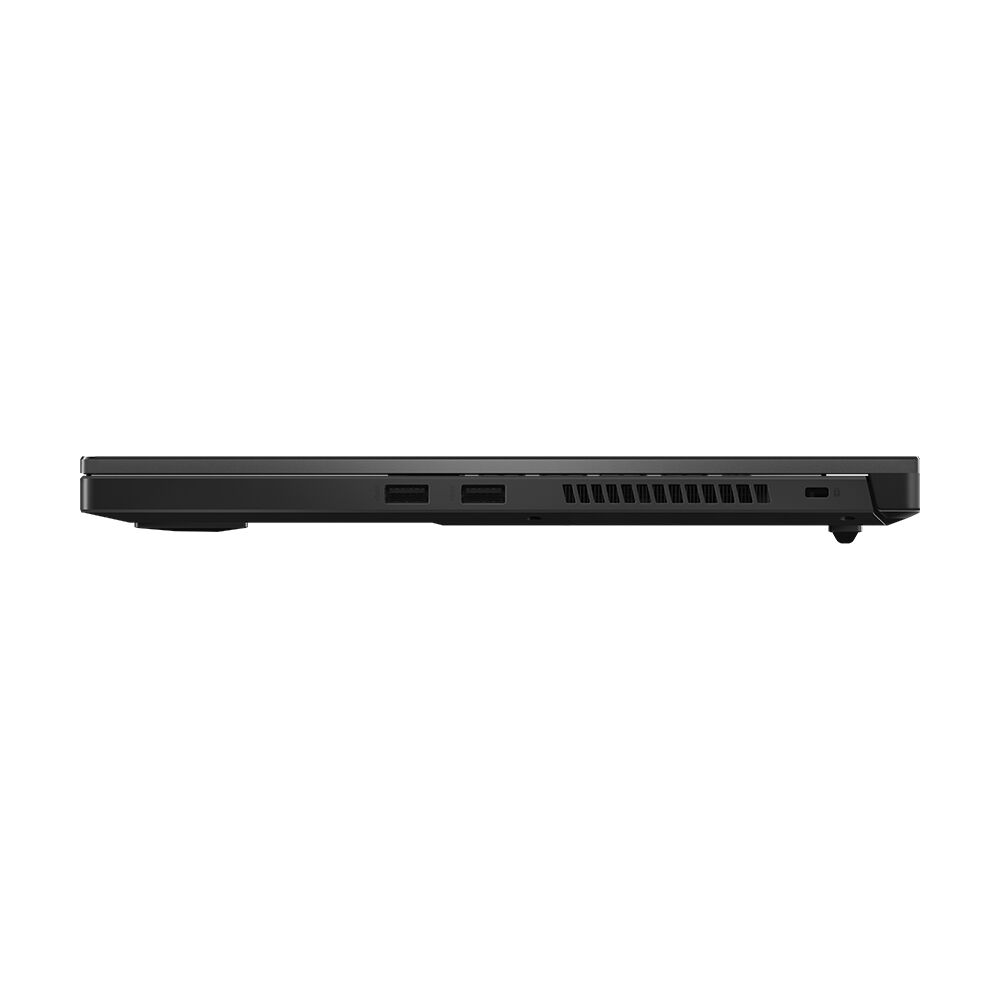
ASUS TUF Dash F15 series model FX516PR-HN064T supports DDR4-SDRAM memory upgrades. The laptop contains one SO-DIMM slot available for expansion, with maximum RAM capacity of 32 GB. Memory specifications include 3200 MHz frequency. Compatible upgrade modules must match DDR4-SDRAM type and SO-DIMM form factor. The device features on-board memory combined with the single SO-DIMM slot for total memory capacity expansion.
Memory Upgrade Specifications
| Specification | Value |
|---|---|
| Memory slots | 1x SO-DIMM |
| Form factor | On-board + SO-DIMM |
| Memory type | DDR4-SDRAM |
| Frequency | 3200 MHz |
| Maximum RAM | 32 GB |
| Voltage | 1.2V |
| Number of pins | 260-pin |
| Interface | PC4 |
| PC Speed Rating | PC4-3200 (PC4-25600) |
| Bandwidth | 25.6 GB/s |
| Laptop Release date | 24 February 2021 |
Additional Notes
- The ASUS TUF Dash FX516PR-HN064T features a hybrid memory architecture with one slot soldered directly to the motherboard, limiting expansion to a single accessible SO-DIMM slot rather than the dual-slot configuration found in many gaming laptops.
- The presence of on-board memory means that one memory module cannot be removed or replaced, restricting user control over dual-channel configuration and making it impossible to replace both modules with a matched pair.
- Achieving the 32 GB maximum capacity requires determining the capacity of the soldered memory first, as the accessible slot must accommodate the remaining amount to reach the system limit.
- The 3200 MHz specification represents the supported JEDEC standard frequency, though actual performance depends on whether both the on-board and SO-DIMM modules operate in dual-channel mode, which requires matching clock speeds between both components.
- Installing a SO-DIMM module with a different frequency than the soldered memory will force both modules to operate at the lower of the two speeds, potentially underutilizing a faster aftermarket module.
- The single-slot design prevents future memory upgrades beyond the initial expansion, as replacing the accessible module remains the only option once the maximum capacity is installed.
- Dual-channel bandwidth relies on both memory components being active simultaneously, meaning a configuration mismatch between the soldered module and the SO-DIMM slot could result in asymmetric channel operation or reduced bandwidth.
- The on-board memory component is not user-serviceable under standard warranty terms, meaning any failure of the soldered module would require motherboard-level service rather than simple module replacement.
- DDR4 SO-DIMM modules must comply with JEDEC voltage specifications of 1.2V, as higher-voltage modules designed for overclocking may not initialize properly or could void warranty coverage.
- The memory controller's maximum capacity support of 32 GB establishes a hard ceiling regardless of module availability, preventing use of higher-density modules that may become available in the future.