ASUS TUF Dash FX517ZC-HN059W RAM upgrade specifications
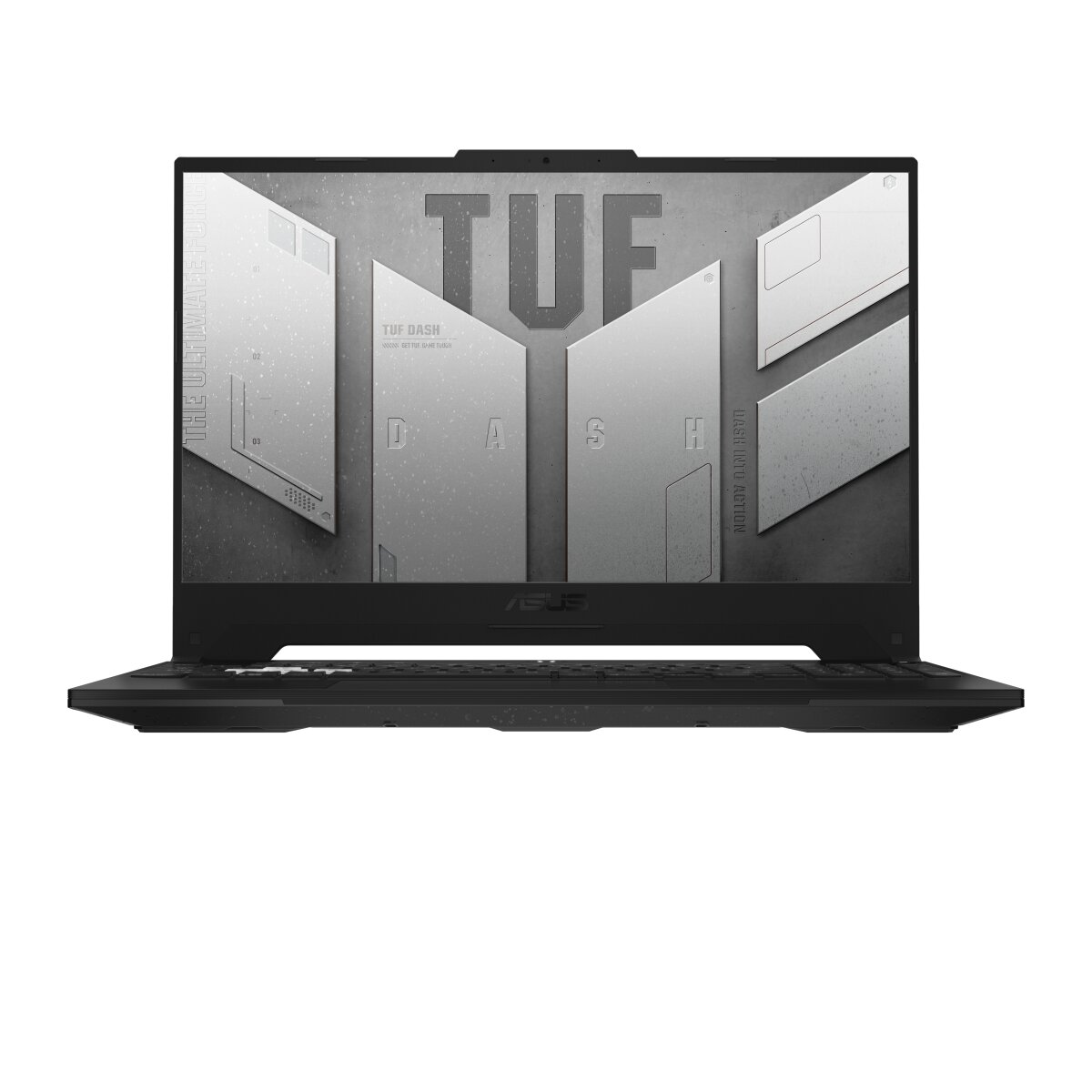

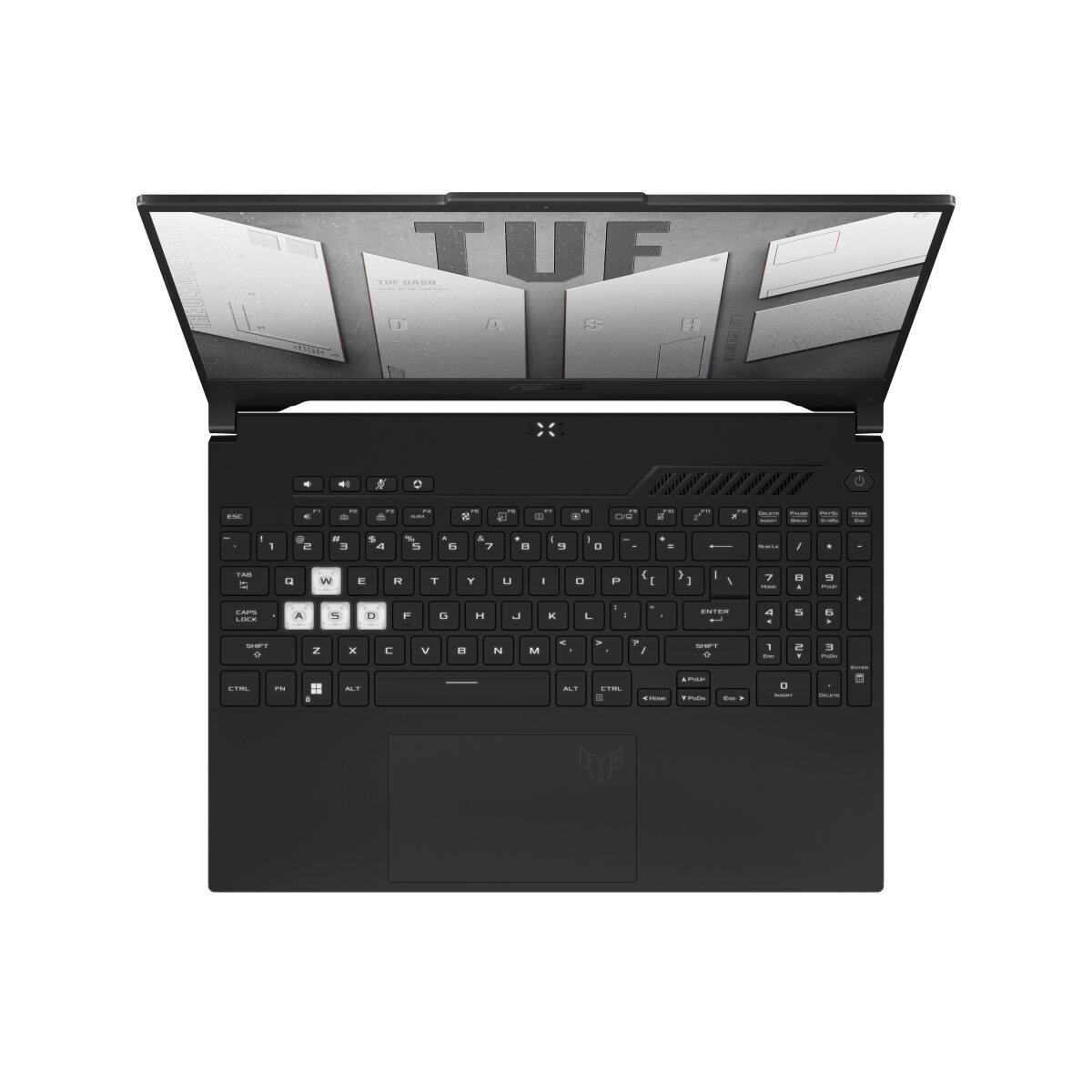
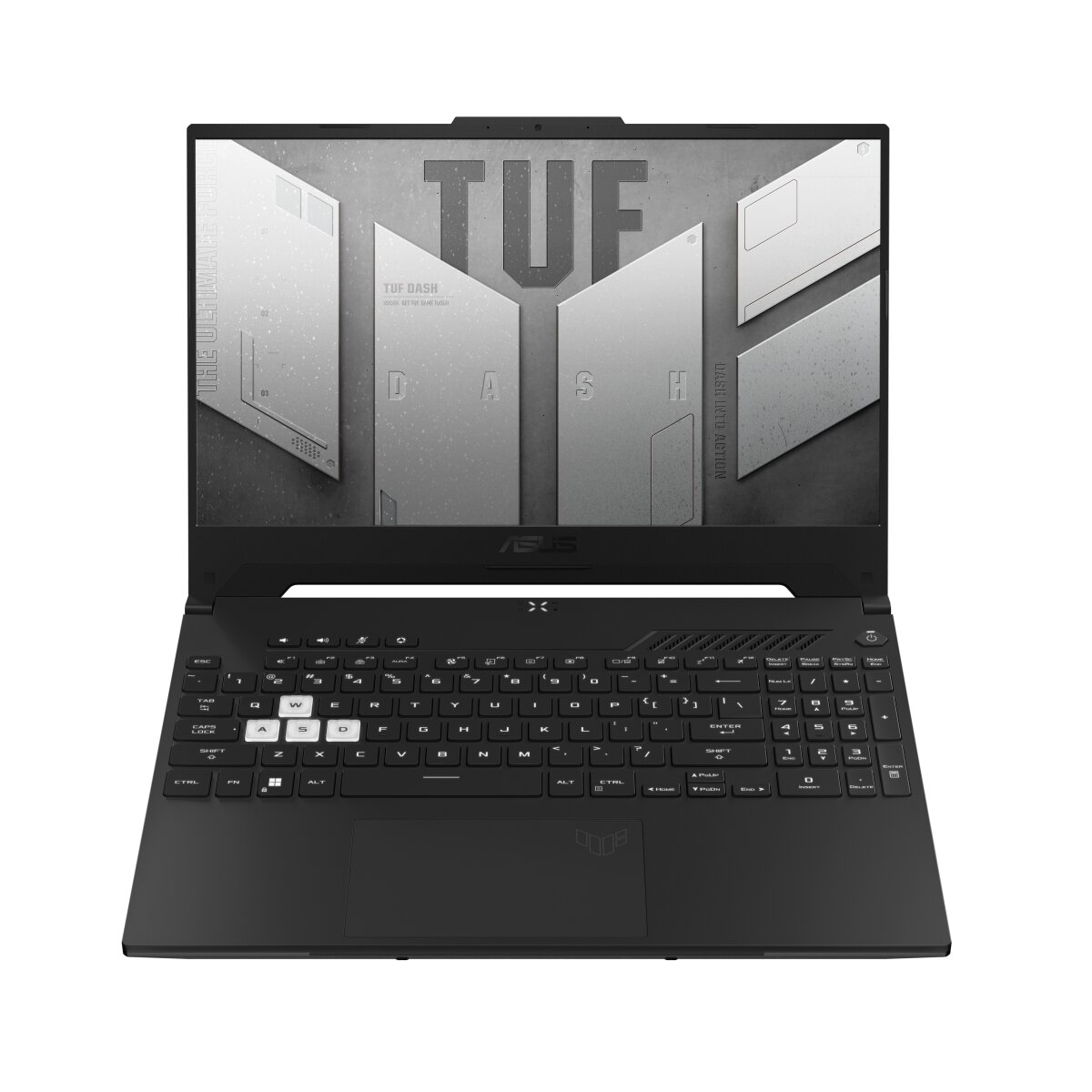
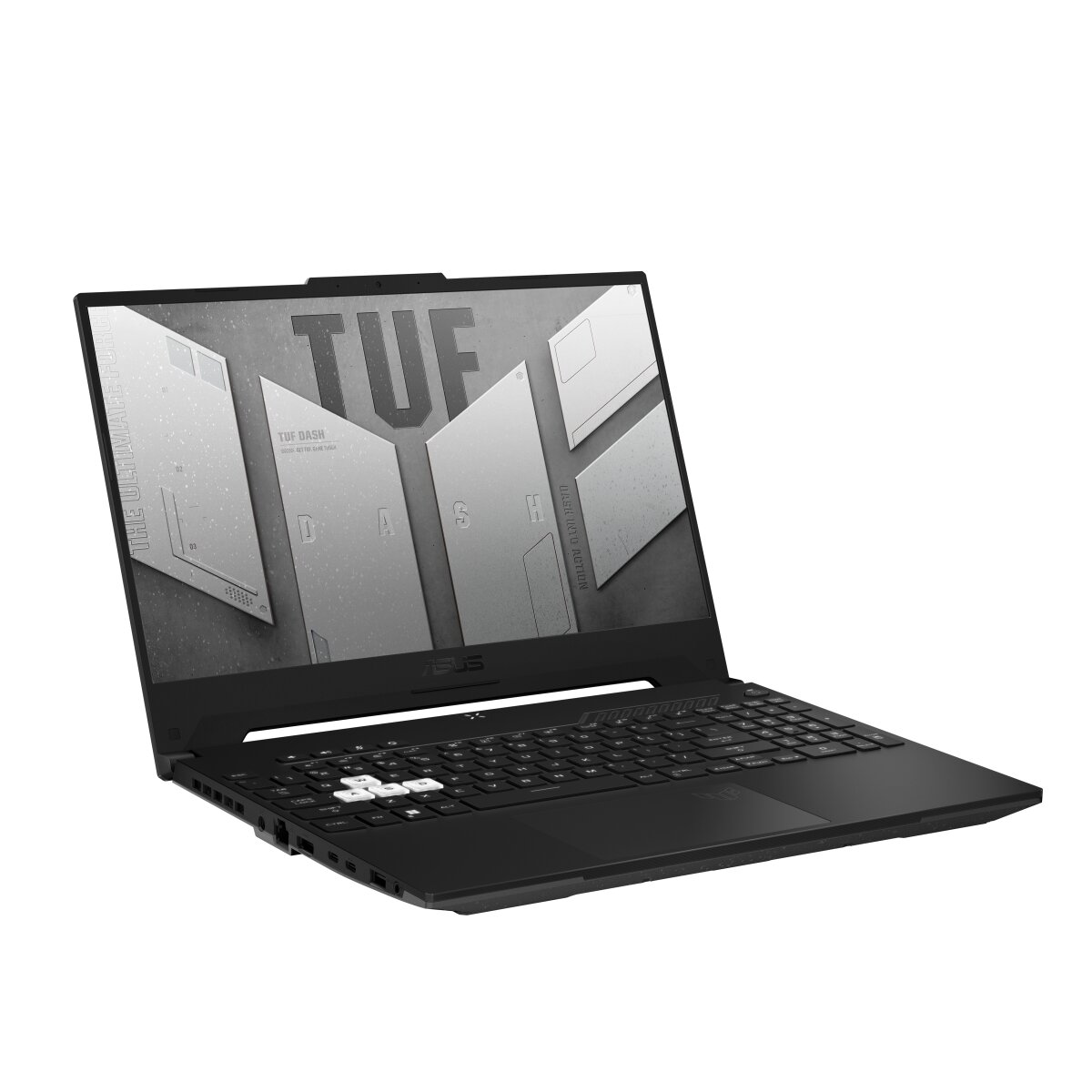
The ASUS TUF Dash F15 model FX517ZC-HN059W supports DDR5-SDRAM memory upgrades with two SO-DIMM slots available for expansion. The laptop specifications indicate maximum RAM capacity of 32 GB total, operating at 4800 MHz frequency. Compatible memory modules must conform to SO-DIMM form factor standards. The upgrade configuration allows for flexible memory expansion to meet performance requirements, with both slots accommodating the specified DDR5 architecture and operating frequency parameters.
Memory Upgrade Specifications
| Specification | Value |
|---|---|
| Memory slots | 2x SO-DIMM |
| Form factor | SO-DIMM |
| Memory type | DDR5-SDRAM |
| Frequency | 4800 MHz |
| Maximum RAM | 32 GB |
| Voltage | 1.1V |
| Number of pins | 262-pin |
| Interface | PC5 |
| PC Speed Rating | PC5-4800 (PC5-38400) |
| Bandwidth | 38.4 GB/s |
| Laptop Release date | 31 August 2022 |
Additional Notes
- The ASUS TUF Dash FX517ZC-HN059W uses DDR5 memory, which operates at higher voltages (1.25V) than DDR4 (1.2V), requiring strict adherence to SO-DIMM module specifications to avoid damage to the memory controller.
- DDR5-4800 MHz modules provide approximately 76.8 GB/s bandwidth per channel, creating a theoretical performance ceiling where CPU or GPU bottlenecks become more likely than memory bandwidth limitations in gaming or professional workloads.
- The 2 SO-DIMM slot configuration means maximum capacity of 32 GB is achievable only with 2x16 GB modules; single-channel operation from a lone populated slot will reduce memory bandwidth by 50%, significantly impacting graphics performance in integrated or discrete GPU scenarios.
- Warranty coverage typically remains intact when replacing both SO-DIMM modules with identical DDR5-4800 specifications, provided installation follows standard electrostatic discharge protocols and does not involve motherboard removal beyond the standard access panel.
- DDR5 memory scaling shows diminishing returns above 5600 MHz for most consumer workloads; the native 4800 MHz specification reflects the controller's validated speed rather than a hard limit, meaning faster modules will downclock to this frequency unless BIOS overclocking is enabled.
- SO-DIMM modules occupy a confined space within laptop chassis, limiting thermal dissipation; DDR5 modules with integrated heat spreaders may not fit in laptops with low clearance above the memory slots, necessitating module compatibility verification before purchase.