ASUS TUF Gaming FA506IC-HN044W RAM upgrade specifications
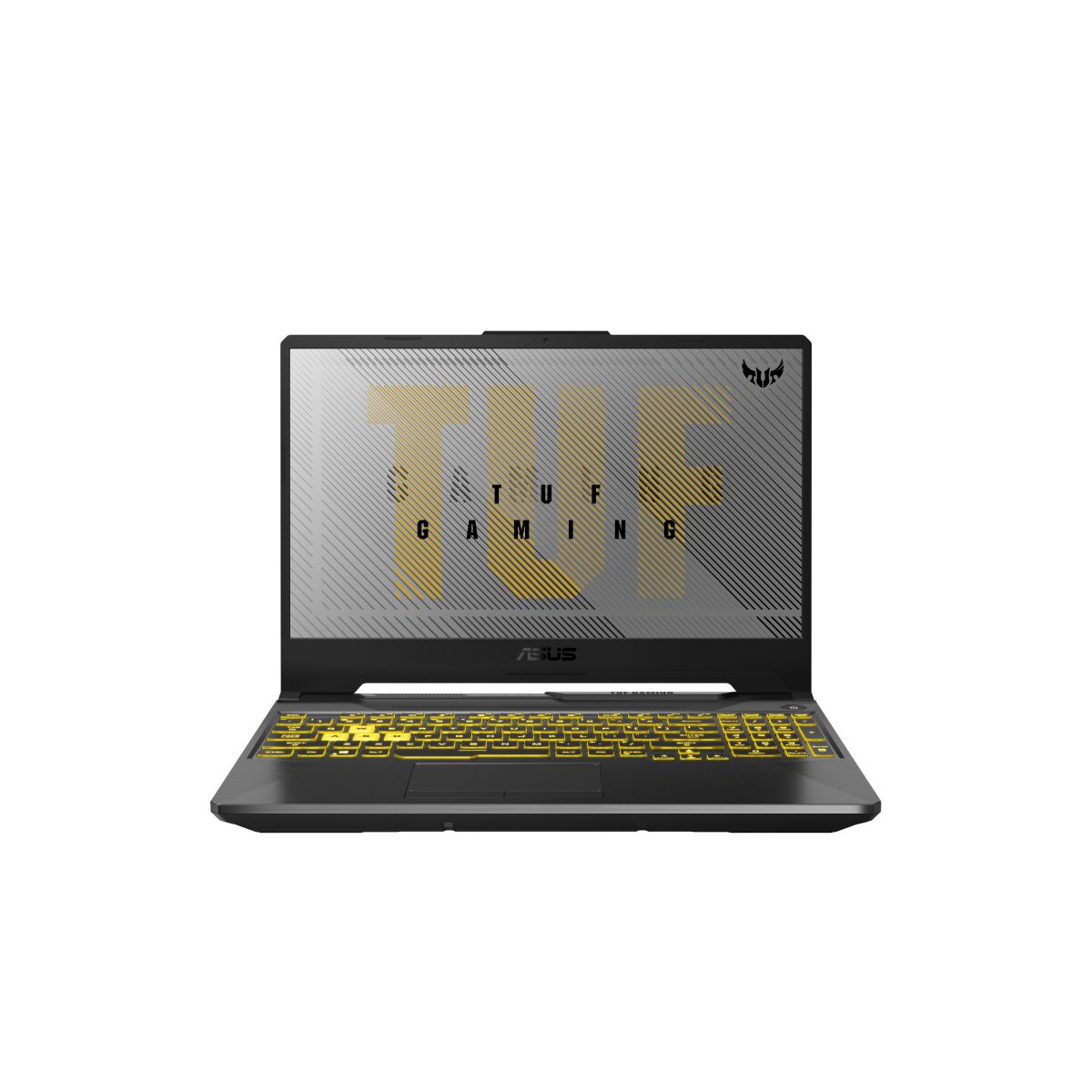
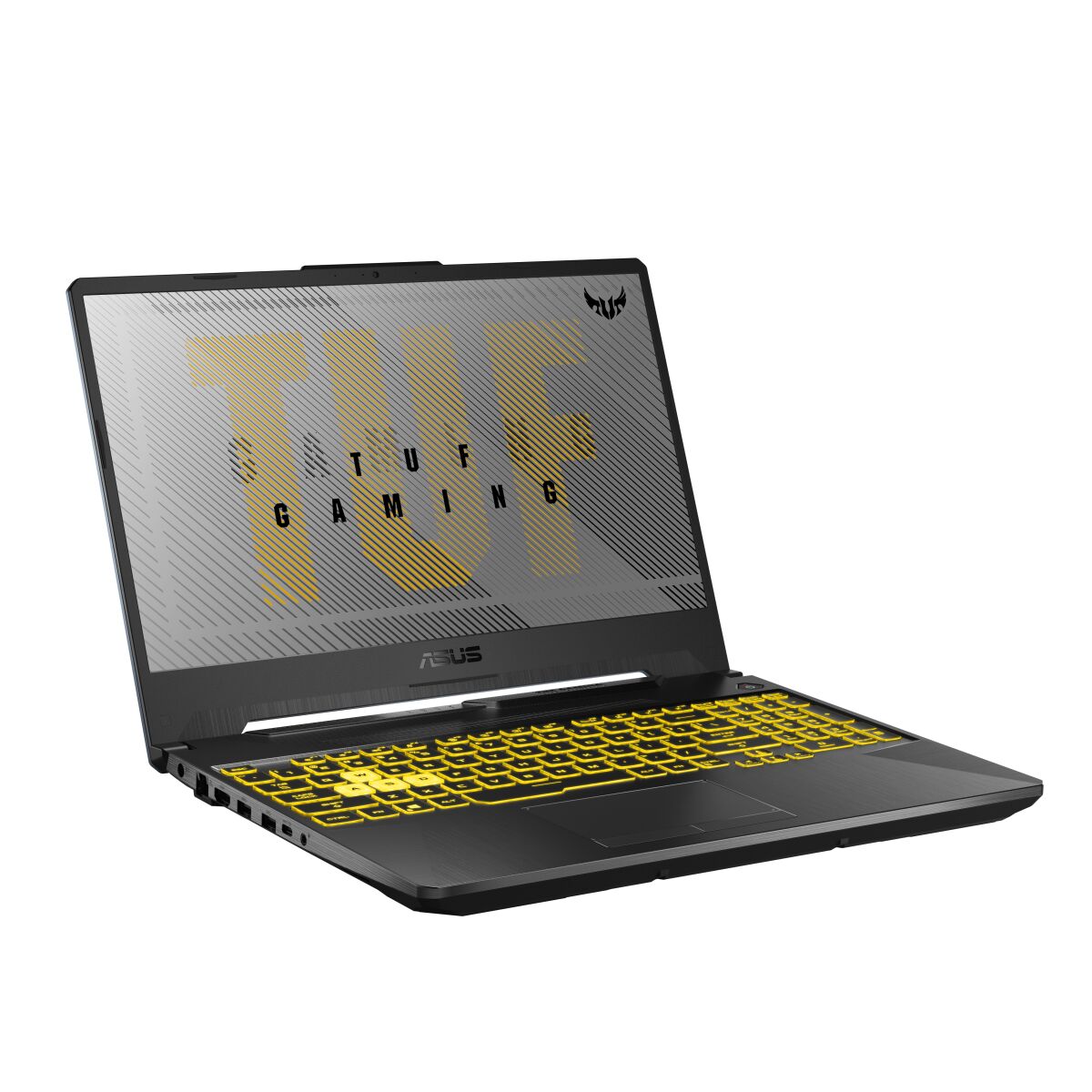
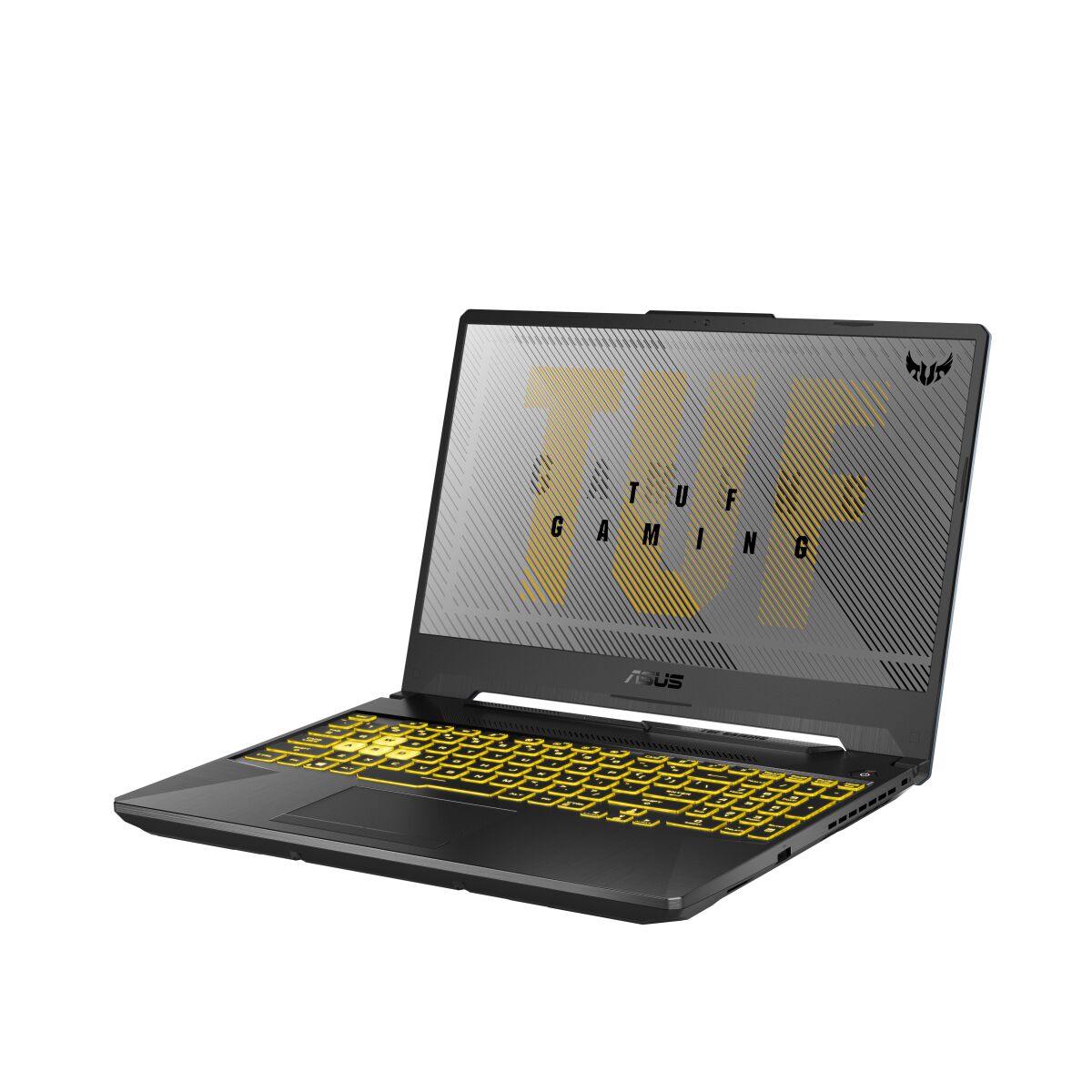
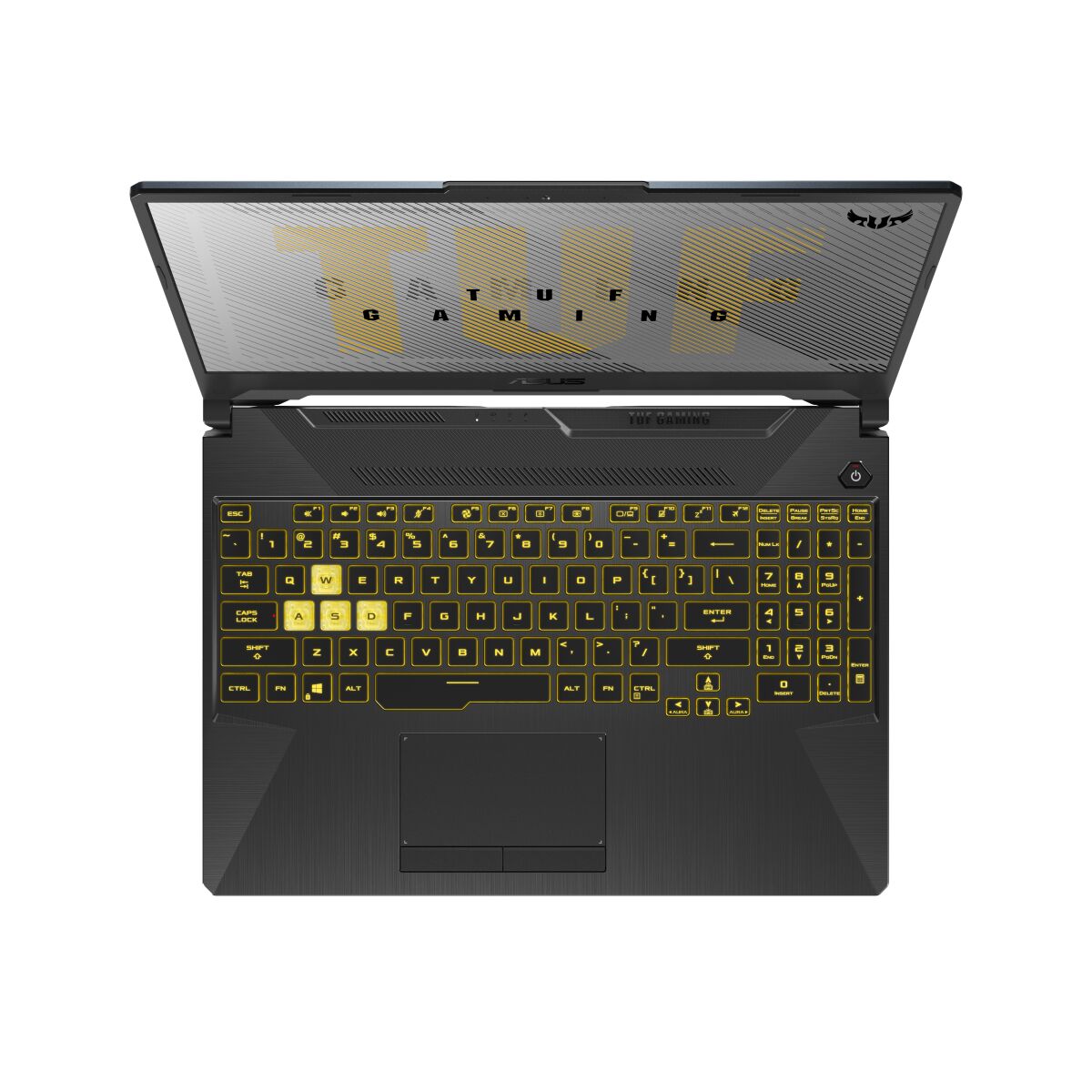

The ASUS TUF Gaming A15 FA506IC-HN044W laptop features DDR4-SDRAM memory upgrade specifications with two SO-DIMM slots supporting maximum capacity of 32 GB total. Memory upgrade compatibility includes DDR4 modules operating at 3200 MHz frequency. The SO-DIMM form factor specifications indicate standard laptop memory configuration. Specifications show upgrade potential from base memory to maximum 32 GB capacity through compatible DDR4-SDRAM modules in dual slot configuration.
Memory Upgrade Specifications
| Specification | Value |
|---|---|
| Memory slots | 2x SO-DIMM |
| Form factor | SO-DIMM |
| Memory type | DDR4-SDRAM |
| Frequency | 3200 MHz |
| Maximum RAM | 32 GB |
| Voltage | 1.2V |
| Number of pins | 260-pin |
| Interface | PC4 |
| PC Speed Rating | PC4-3200 (PC4-25600) |
| Bandwidth | 25.6 GB/s |
| Laptop Release date | 25 April 2022 |
Additional Notes
- The 2 SO-DIMM slot configuration on the ASUS TUF Gaming FA506IC-HN044W mandates that maximum capacity requires both slots populated; single-slot upgrades cannot reach the 32 GB ceiling without replacing existing modules.
- DDR4-3200 MHz specification restricts compatible memory to JEDEC standard DDR4 modules; higher-frequency variants (DDR4-3600 or beyond) will downclock to 3200 MHz, eliminating any performance benefit from premium-tier memory purchases.
- SO-DIMM form factor is exclusive to laptop platforms; desktop DDR4 modules cannot physically install in these slots, and cross-system memory salvaging remains impossible without exact form factor matching.
- Upgrading from factory configuration to 32 GB requires removal of existing SO-DIMM modules; both slots must be accessed, creating potential warranty concerns if thermal pads or documentation requirements govern memory compartment entry on this model.
- The 32 GB maximum threshold indicates iGPU-equipped configurations do not utilize shared system RAM as dedicated graphics memory; all 32 GB remains available for OS and application workloads without dynamic partitioning loss.
- Bandwidth saturation occurs at DDR4-3200; the dual-channel architecture cannot exceed approximately 51 GB/s throughput, which may impose latency constraints during simultaneous heavy CPU and discrete GPU memory operations under sustained workloads.