ASUS TUF Gaming FA506IC-HN056W RAM upgrade specifications


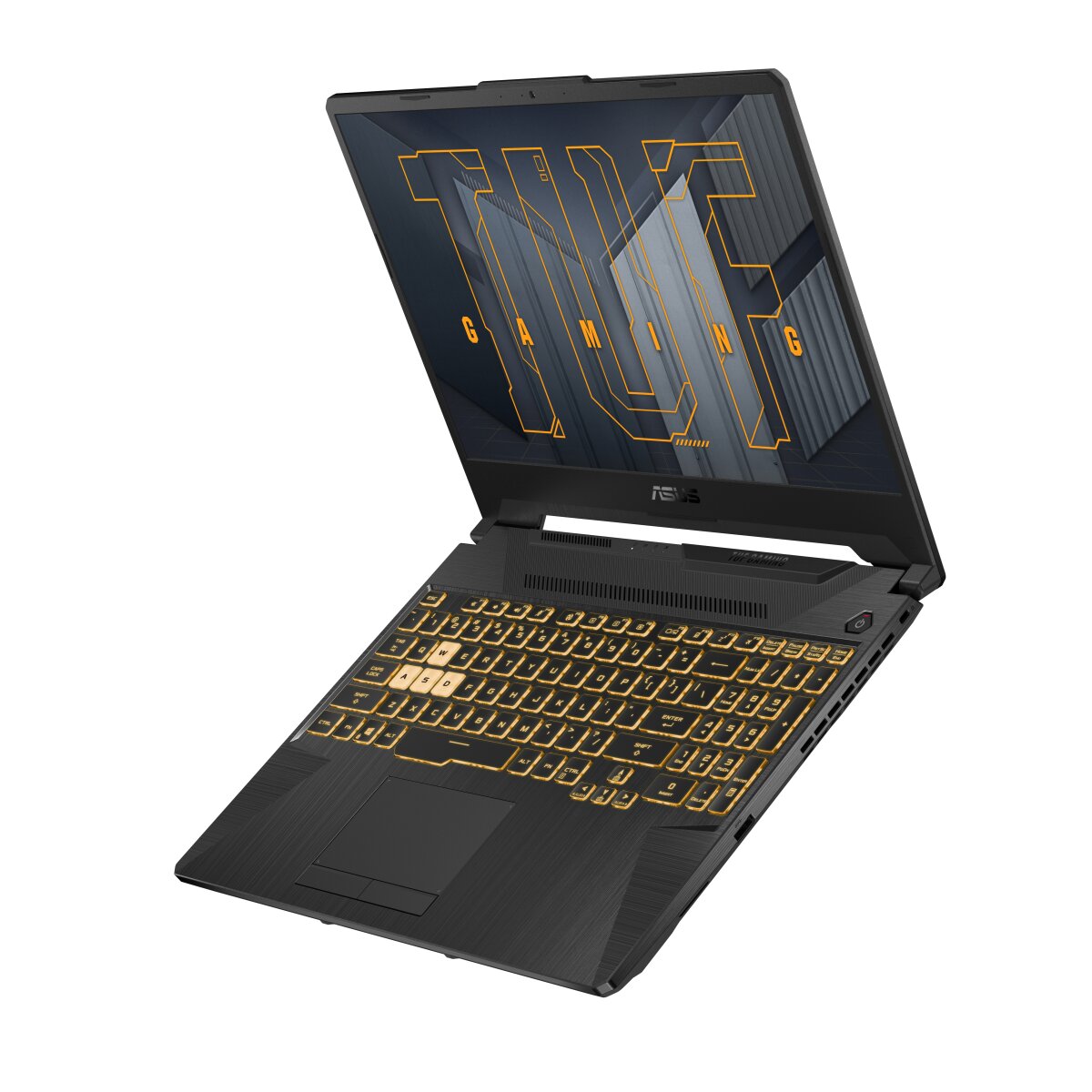

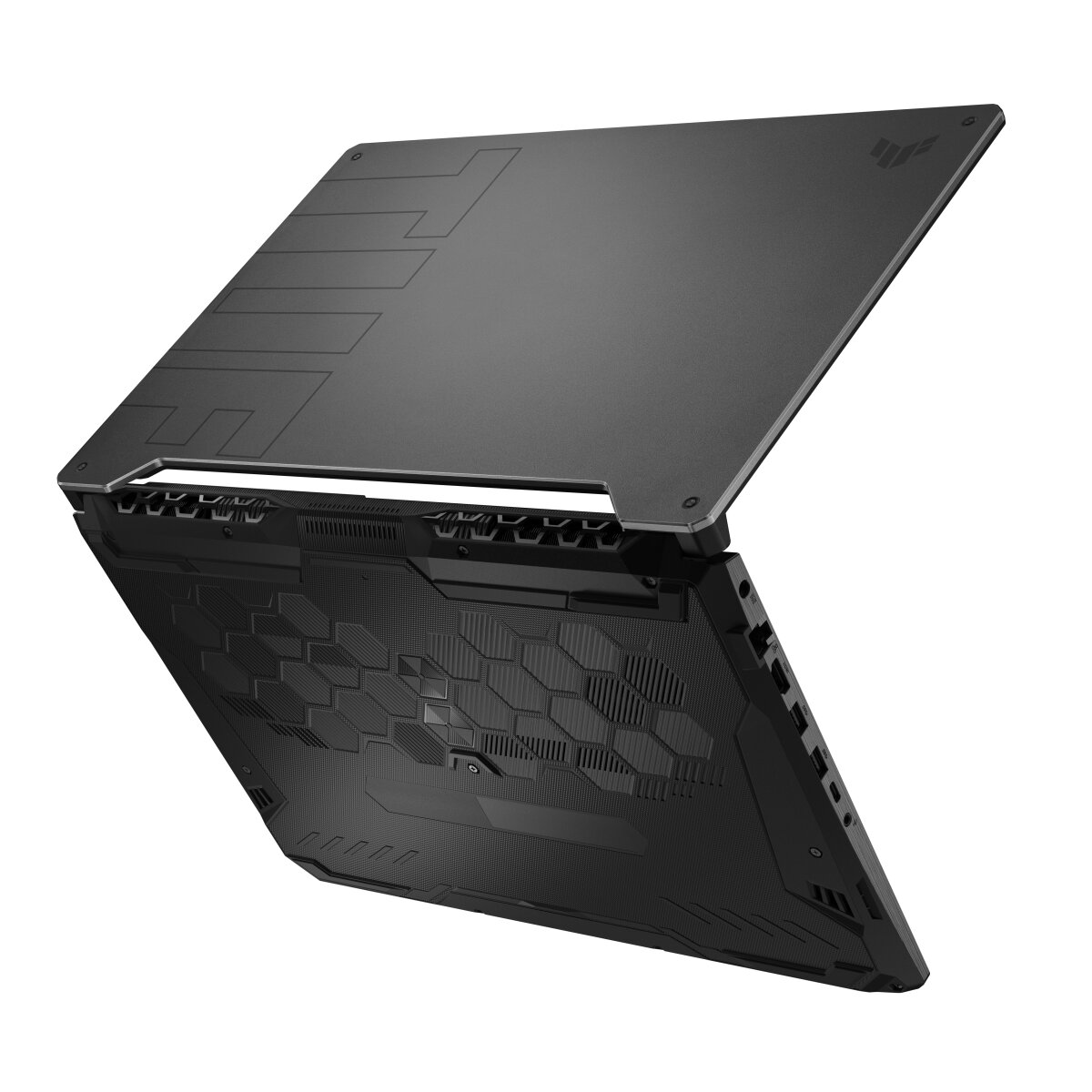
The ASUS TUF Gaming A15 FA506IC-HN056W features DDR4-SDRAM memory upgrade specifications with 2x SO-DIMM slots. Maximum RAM capacity reaches 32 GB total. Compatible memory operates at 3200 MHz frequency with SO-DIMM form factor. Upgrade specifications support DDR4 technology for enhanced performance in gaming and multitasking applications on laptop platform.
Memory Upgrade Specifications
| Specification | Value |
|---|---|
| Memory slots | 2x SO-DIMM |
| Form factor | SO-DIMM |
| Memory type | DDR4-SDRAM |
| Frequency | 3200 MHz |
| Maximum RAM | 32 GB |
| Voltage | 1.2V |
| Number of pins | 260-pin |
| Interface | PC4 |
| PC Speed Rating | PC4-3200 (PC4-25600) |
| Bandwidth | 25.6 GB/s |
| Laptop Release date | 18 May 2022 |
Additional Notes
- The ASUS TUF Gaming FA506IC-HN056W dual-channel SO-DIMM configuration requires matched module pairs operating at identical frequencies to maintain optimal memory interleaving and prevent automatic downclocking to the slower module's speed.
- DDR4-3200 represents the JEDEC-standard maximum for this memory controller architecture, meaning modules rated beyond 3200 MHz will default to this frequency regardless of their rated XMP/DOCP profiles.
- The 32 GB maximum addressable limit constrains upgrade configurations to either 2x16 GB modules or asymmetric configurations like 8 GB plus 16 GB, though the latter sacrifices full dual-channel operation above the 16 GB threshold.
- SO-DIMM modules operate at 1.2V standard voltage for DDR4, distinguishing them from desktop UDIMM counterparts and preventing physical installation of incompatible form factors due to notch positioning differences.
- Memory bandwidth peaks at 51.2 GB/s theoretical maximum in dual-channel mode, though real-world throughput will be lower depending on CPU memory controller efficiency and workload characteristics.
- Accessing both SO-DIMM slots typically requires bottom panel removal and potentially warranty seal displacement, though most regional warranty terms permit user-installable memory upgrades without voiding coverage.
- Mixing modules from different manufacturers or with different latency timings will force the memory controller to adopt the most conservative timing values across both channels, potentially reducing performance below specifications of higher-quality modules.
- The 3200 MHz frequency specification indicates CL22 as the most common CAS latency for JEDEC-compliant modules, translating to approximately 13.75 nanoseconds of true latency before the first data word becomes available.