ASUS TUF Gaming FA506ICB-HN178 RAM upgrade specifications
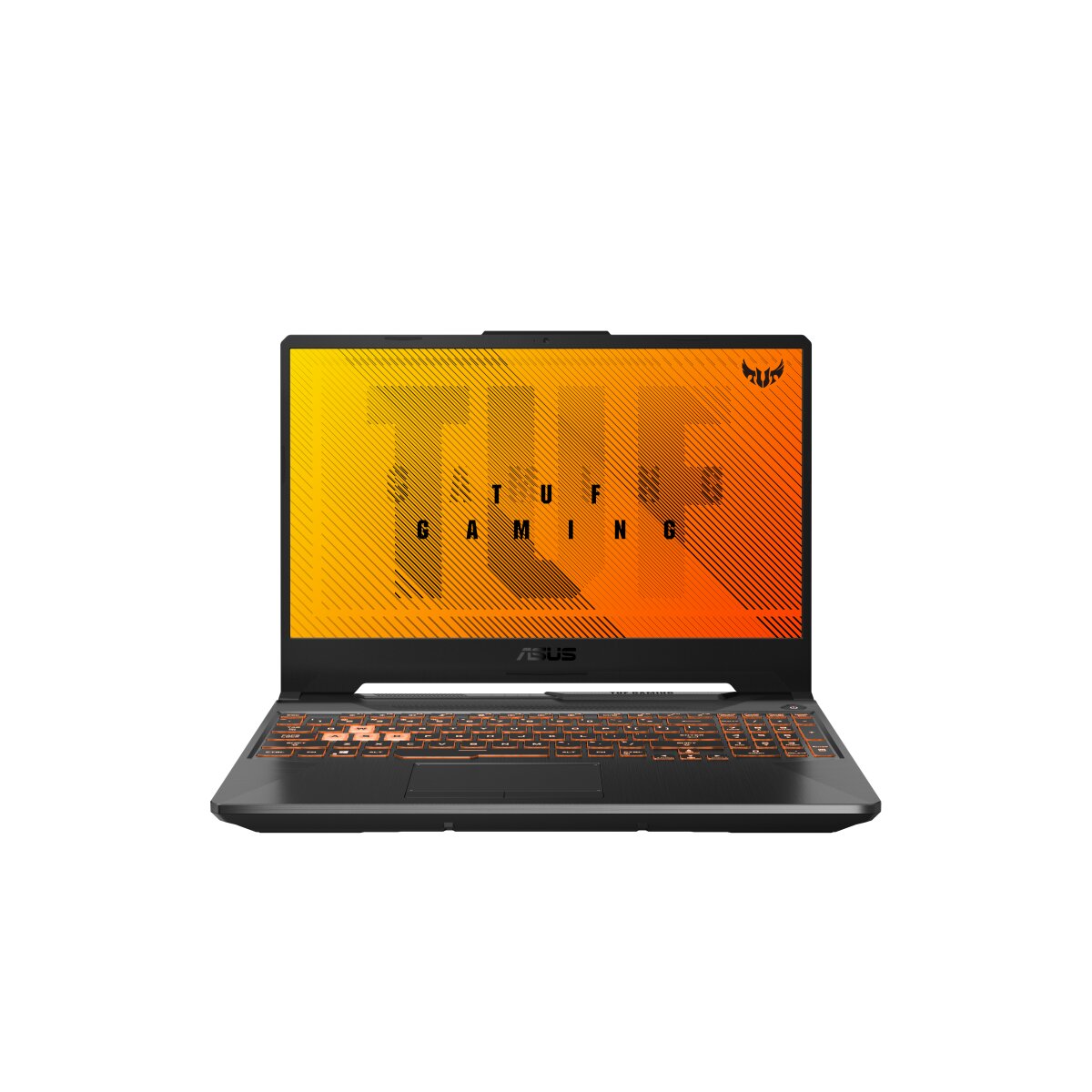
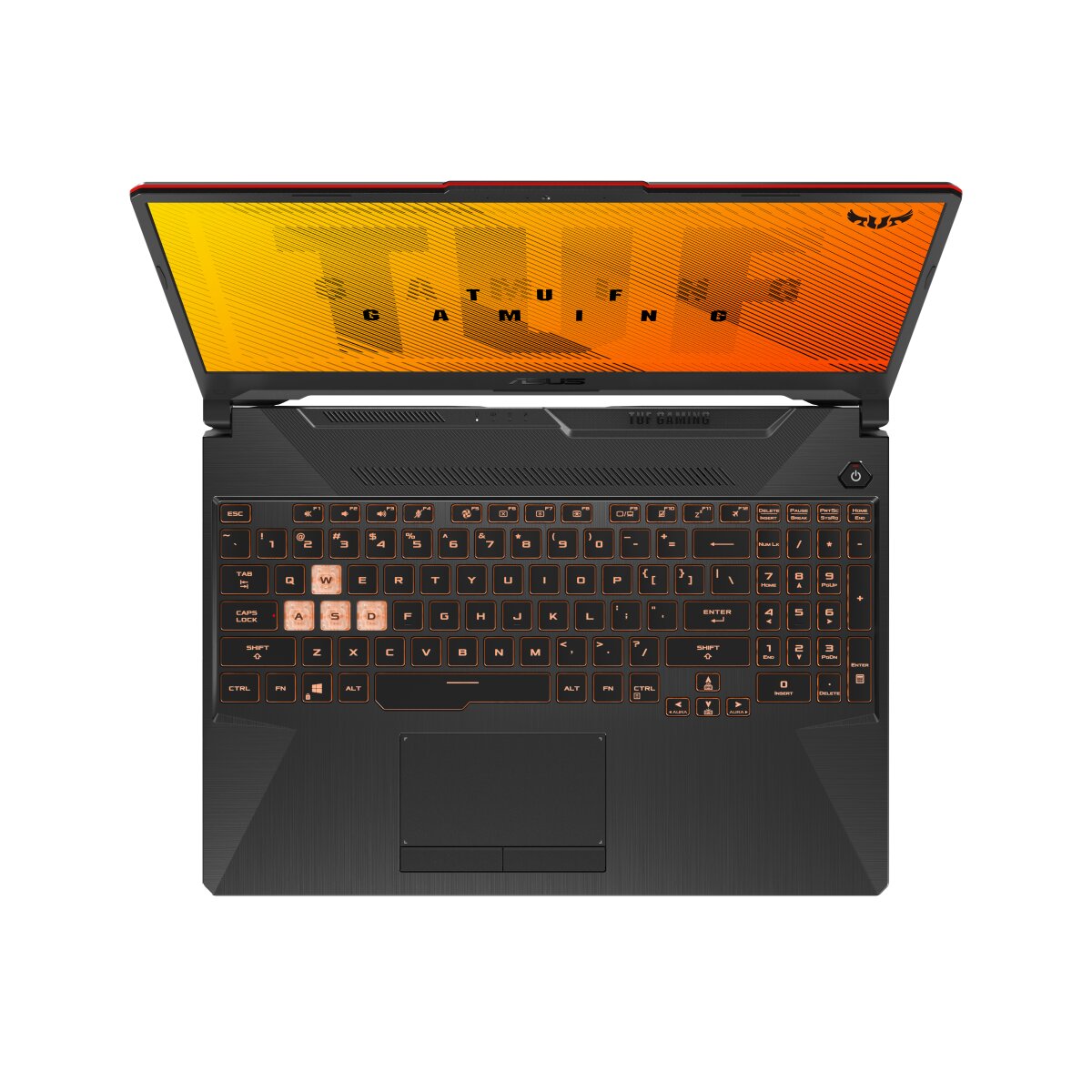

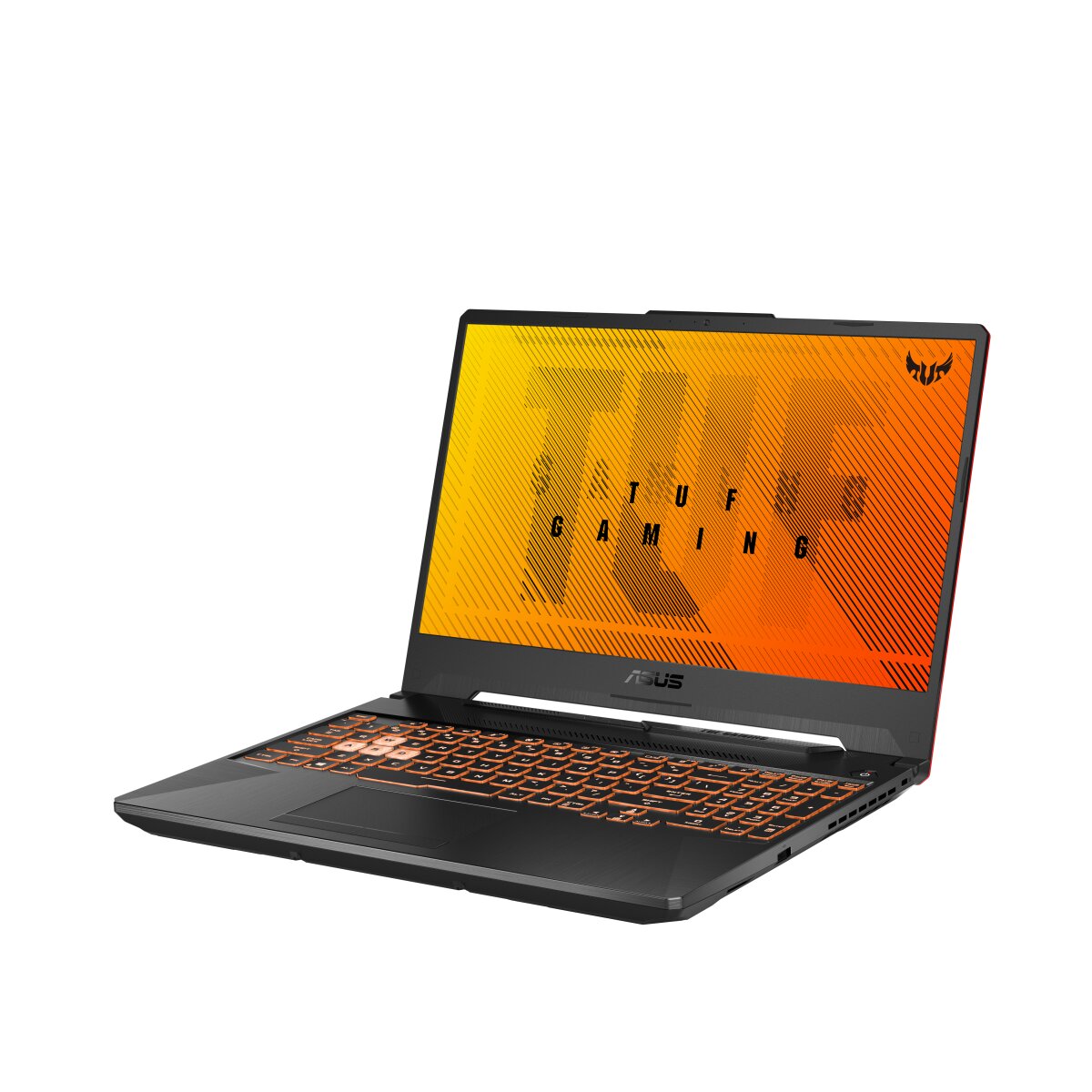

ASUS TUF Gaming A15 FA506ICB-HN178 laptop RAM upgrade specifications detail DDR4-SDRAM memory compatibility. The device features 2x SO-DIMM slots supporting maximum capacity of 32 GB total memory. Standard operating frequency reaches 3200 MHz. Upgrade configurations utilize SO-DIMM form factor modules compatible with specifications. Memory expansion allows installation of paired identical modules to achieve maximum supported RAM capacity. The FAC506ICB-HN178 supports DDR4 technology for enhanced system performance and multitasking capabilities across TUF Gaming series parameters.
Memory Upgrade Specifications
| Specification | Value |
|---|---|
| Memory slots | 2x SO-DIMM |
| Form factor | SO-DIMM |
| Memory type | DDR4-SDRAM |
| Frequency | 3200 MHz |
| Maximum RAM | 32 GB |
| Voltage | 1.2V |
| Number of pins | 260-pin |
| Interface | PC4 |
| PC Speed Rating | PC4-3200 (PC4-25600) |
| Bandwidth | 25.6 GB/s |
| Laptop Release date | 28 August 2022 |
Additional Notes
- The ASUS TUF Gaming FA506ICB-HN178 processor and chipset architecture impose the 32 GB ceiling, meaning dual-channel configurations beyond 16 GB per slot will not initialize regardless of module availability.
- DDR4-3200 represents the native JEDEC specification speed for this platform, eliminating the need for XMP profile configuration which typically requires BIOS intervention unavailable in most laptop implementations.
- Both SO-DIMM slots support user replacement without soldered memory obstructions, allowing full capacity upgrades without abandoning existing modules if single-slot configurations were initially installed.
- Mismatched module capacities between slots will force the memory controller into asymmetric dual-channel mode, reducing effective bandwidth to the smaller module's capacity threshold before reverting remaining capacity to single-channel operation.
- Non-matching CAS latency timings between installed modules will force both to operate at the slower module's specifications, introducing potential performance degradation in bandwidth-sensitive workloads despite maintaining rated frequency.
- The SO-DIMM 260-pin standard requires DDR4-specific keying alignment, preventing accidental installation of physically incompatible DDR3L modules that share similar form factors but operate at incompatible voltages.
- Thermal constraints within the chassis limit practical use of modules exceeding standard JEDEC voltage specifications, as sustained memory temperatures above 85°C can trigger throttling or system instability during extended workloads.
- Dual-rank module configurations at maximum capacity may introduce minor latency penalties compared to single-rank equivalents, though bandwidth improvements from increased bank availability typically offset this in multi-threaded applications.
- Memory replacement requires complete battery disconnection to prevent electrical damage during module seating, as residual motherboard power can persist several minutes after shutdown without physical power source isolation.
- Warranty preservation depends on avoiding physical damage to the retention clips and socket contacts during installation, as bent pins or broken latches constitute user-inflicted damage excluded from manufacturer coverage.