ASUS TUF Gaming FA506ICB-HN119W RAM upgrade specifications

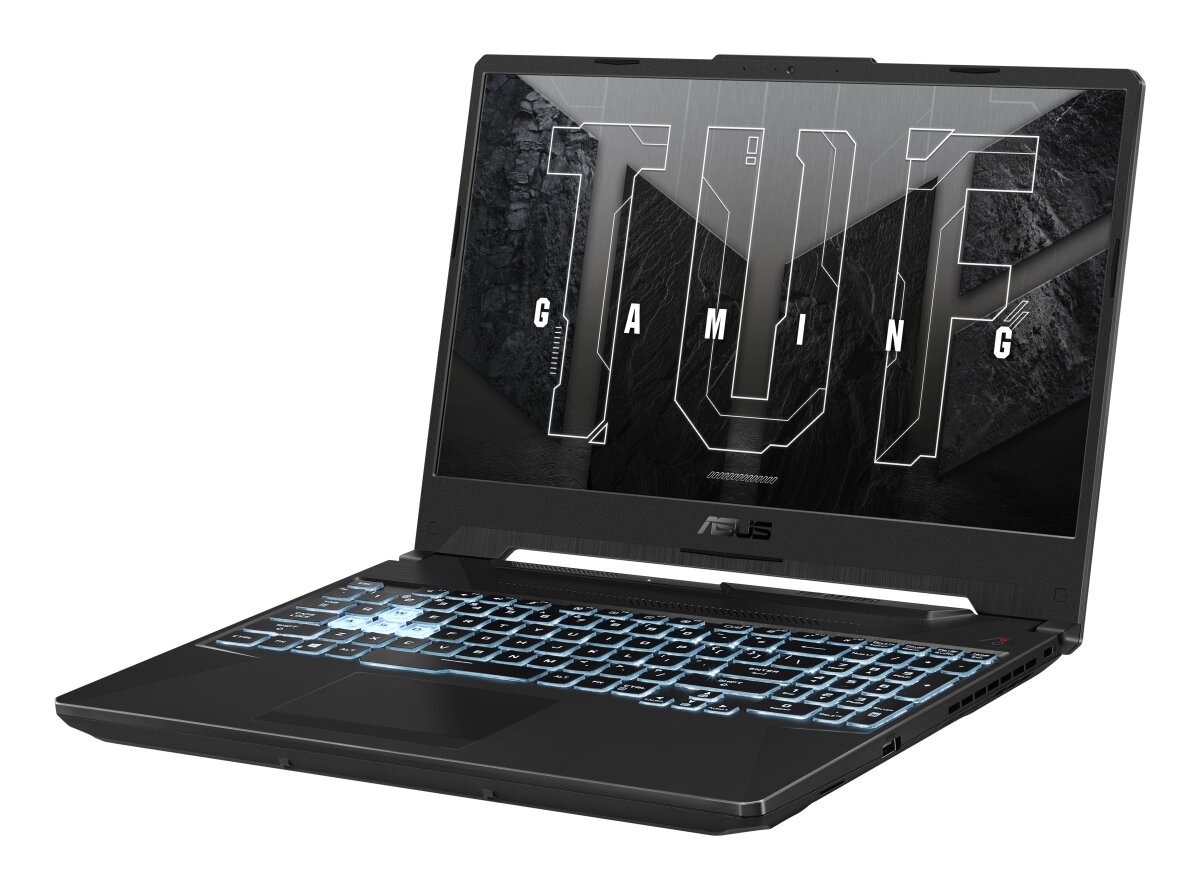

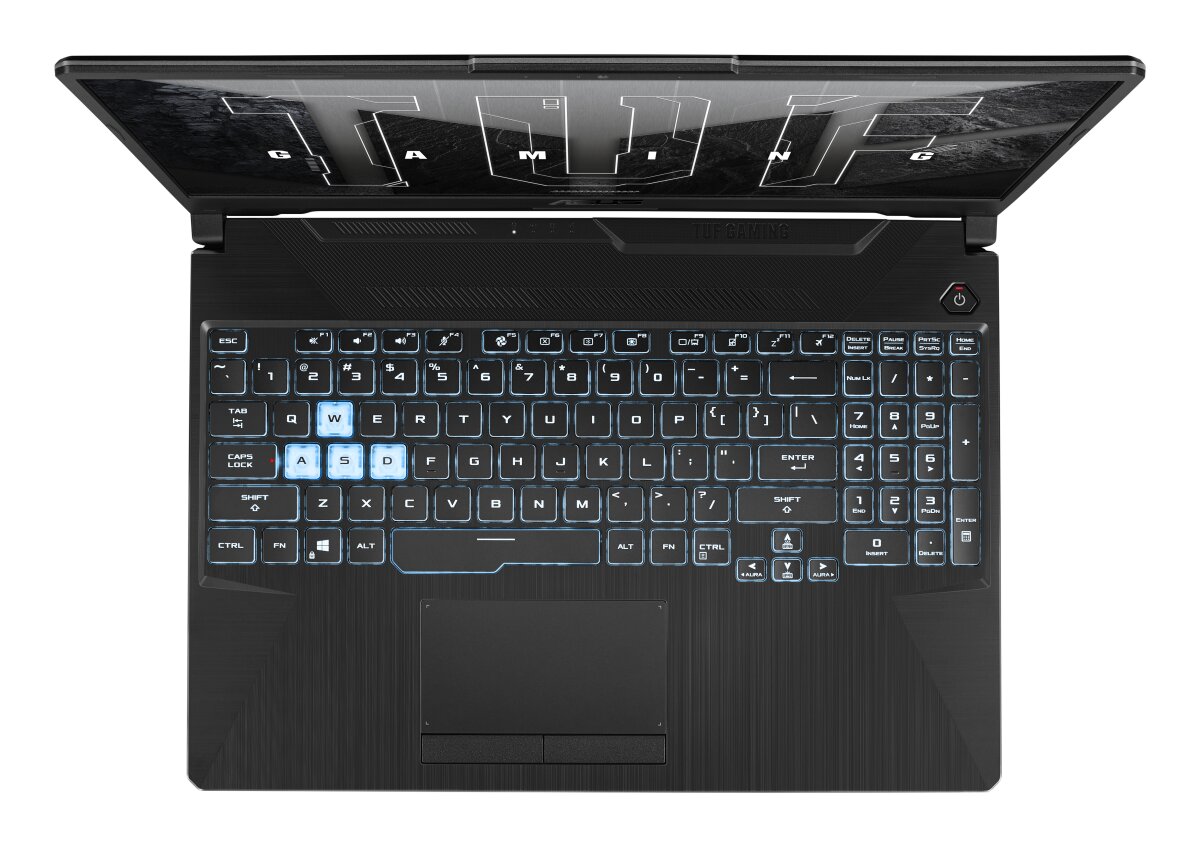
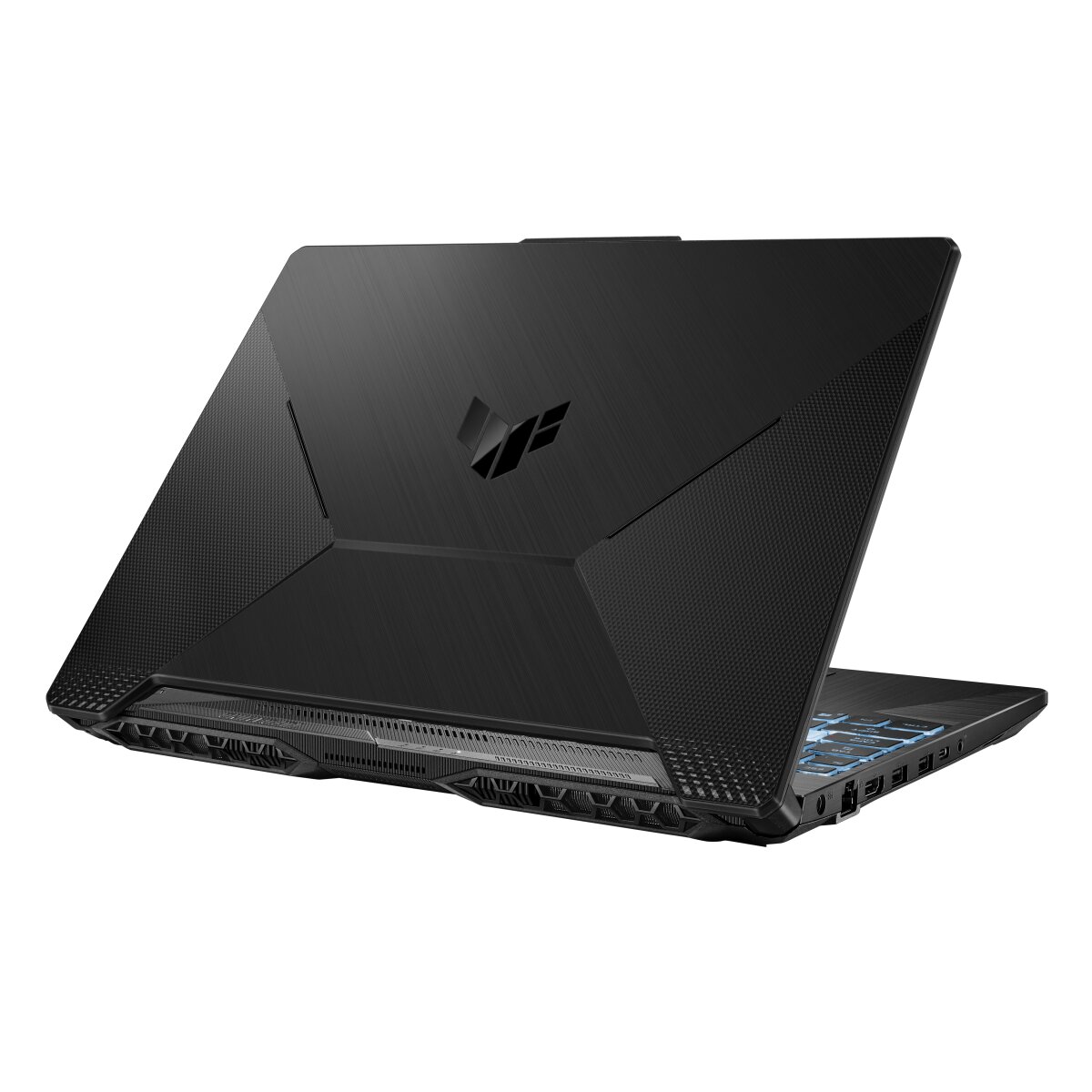
ASUS TUF Gaming A15 FA506ICB-HN119W RAM upgrade specifications detail DDR4-SDRAM memory configuration with 2x SO-DIMM slots supporting maximum capacity of 32 GB total. Compatible memory modules operate at 3200 MHz frequency using SO-DIMM form factor. Upgrade options allow installation of higher-capacity memory sticks to increase system RAM beyond factory specifications within the 32 GB maximum limit.
Memory Upgrade Specifications
| Specification | Value |
|---|---|
| Memory slots | 2x SO-DIMM |
| Form factor | SO-DIMM |
| Memory type | DDR4-SDRAM |
| Frequency | 3200 MHz |
| Maximum RAM | 32 GB |
| Voltage | 1.2V |
| Number of pins | 260-pin |
| Interface | PC4 |
| PC Speed Rating | PC4-3200 (PC4-25600) |
| Bandwidth | 25.6 GB/s |
| Laptop Release date | 16 April 2022 |
Additional Notes
- The ASUS TUF Gaming FA506ICB-HN119W accommodates only 2 SO-DIMM slots, which restricts upgrade capacity to a single additional module since one slot is typically pre-populated in factory configurations. This constraint means maximum addressable memory of 32 GB cannot be achieved by adding a single stick to most standard configurations.
- DDR4-3200 MHz memory operates at a fixed frequency specification. Mixing higher-speed DDR4 modules (3600 MHz or above) will force the system to downclock to 3200 MHz, negating performance gains from faster RAM and potentially voiding the warranty if BIOS overclocking is required to achieve rated speeds.
- SO-DIMM modules cannot be physically exchanged with standard UDIMM form factor RAM. Sourcing replacement or additional SO-DIMM sticks from the laptop-grade market segment typically costs 15-25% more than desktop equivalents at identical capacities and speeds.
- Dual-channel architecture depends on symmetric configuration. Installing mismatched capacities (for example, 8 GB plus 16 GB) will force the system into flex mode, where the 8 GB module operates in single-channel bandwidth while the 16 GB module runs dual-channel. This creates a performance penalty for memory-intensive applications.
- The 32 GB ceiling represents a hard limit imposed by the chipset and BIOS firmware. Upgrading beyond this capacity requires replacement of the entire motherboard, making this specification effectively final for the lifetime of the device.