ASUS TUF Gaming FA506ICB-HN117W RAM upgrade specifications

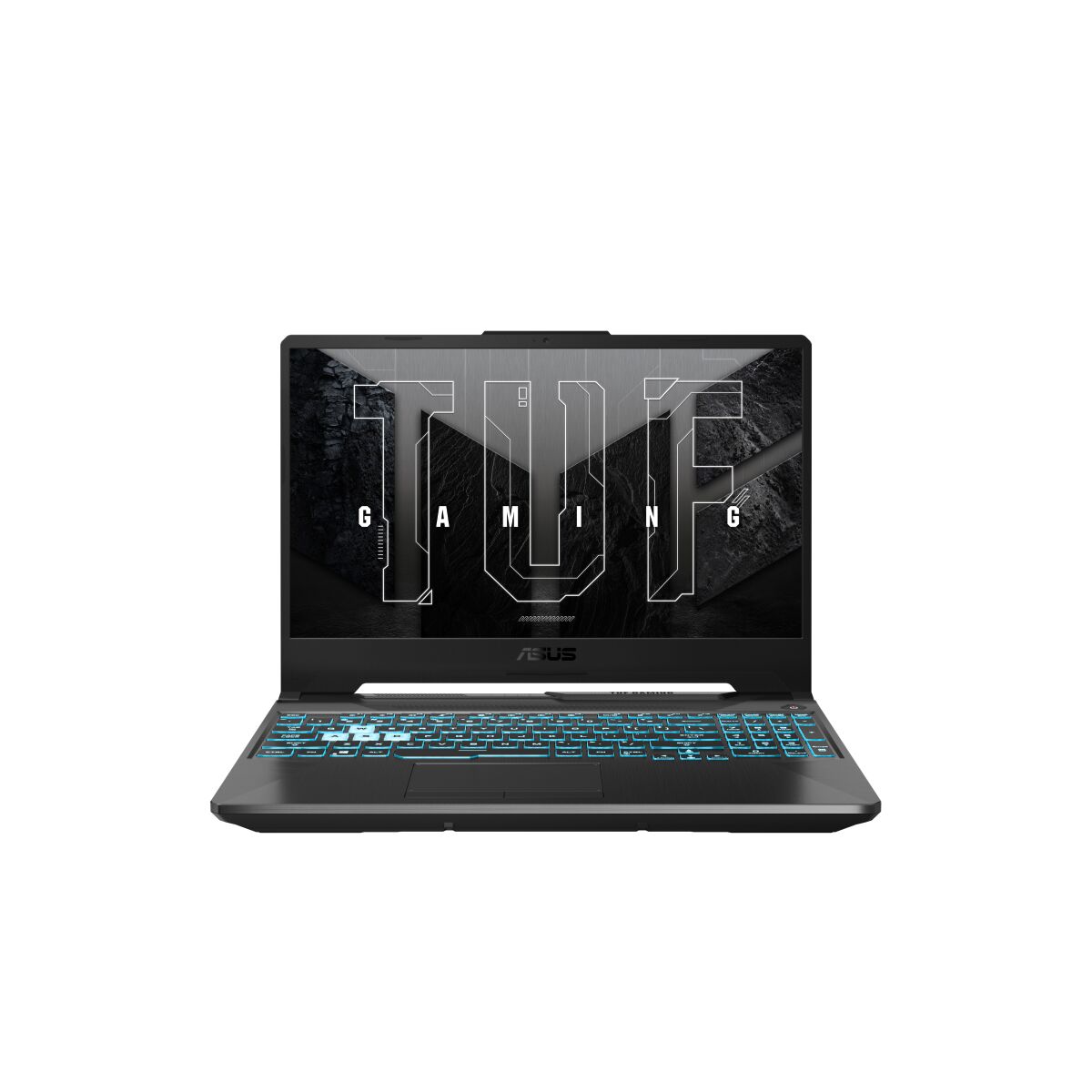

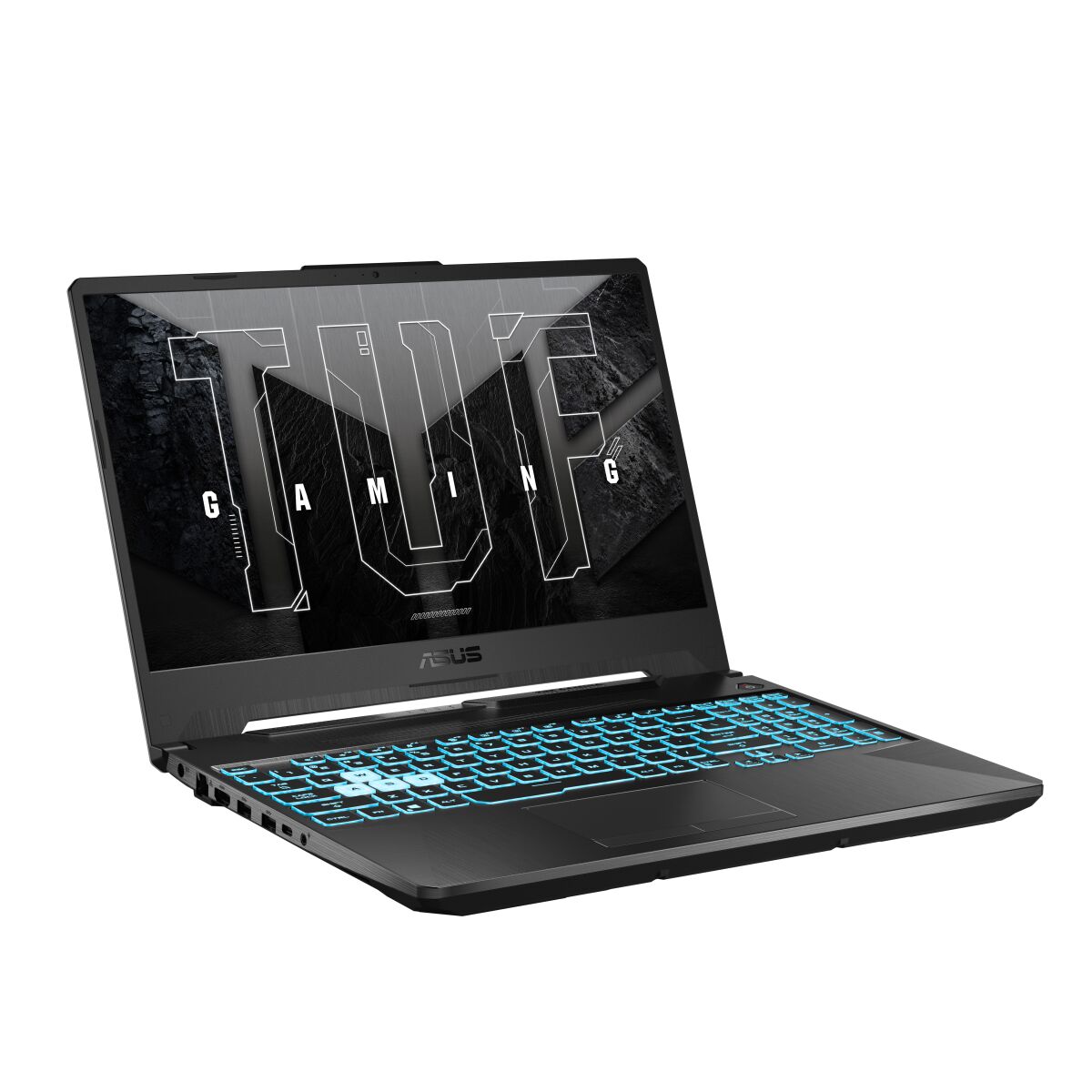

The ASUS TUF Gaming A15 FA506ICB-HN117W features DDR4-SDRAM memory with 2x SO-DIMM upgrade slots. Maximum supported RAM capacity is 32 GB. Compatible memory operates at 3200 MHz frequency. SO-DIMM form factor specifications enable straightforward memory expansion for enhanced system performance and multitasking capabilities on this gaming laptop model.
Memory Upgrade Specifications
| Specification | Value |
|---|---|
| Memory slots | 2x SO-DIMM |
| Form factor | SO-DIMM |
| Memory type | DDR4-SDRAM |
| Frequency | 3200 MHz |
| Maximum RAM | 32 GB |
| Voltage | 1.2V |
| Number of pins | 260-pin |
| Interface | PC4 |
| PC Speed Rating | PC4-3200 (PC4-25600) |
| Bandwidth | 25.6 GB/s |
| Laptop Release date | 25 March 2022 |
Additional Notes
- The ASUS TUF Gaming FA506ICB-HN117W implements a dual-channel memory architecture that requires matched module pairs to achieve optimal bandwidth utilization, as single-module configurations will operate in reduced-performance single-channel mode.
- DDR4-3200 represents the native frequency ceiling for this platform, meaning modules rated above 3200 MHz will downclock to this specification regardless of their advertised speed rating.
- The 32 GB maximum capacity translates to a practical limitation of 2x16 GB modules as the only configuration that reaches full system capability, while 2x8 GB configurations will leave half the supported capacity unutilized.
- SO-DIMM packaging restricts compatibility to laptop-specific modules, as standard DIMM modules used in desktop systems are physically incompatible with the 260-pin socket specification.
- Non-identical module pairings, such as mixing 8 GB with 16 GB sticks, will force the system into flex mode operation where only the matched capacity portion runs in dual-channel, degrading memory subsystem performance.
- The accessible slot configuration typically requires bottom panel removal, which may involve voiding warranty seals depending on regional warranty policies and service agreements.
- DDR4 voltage standards at 1.2V ensure compatibility across modules from different manufacturers, though mixing brands may introduce minor latency variations due to differing IC quality and timing profiles.
- Systems utilizing integrated graphics or APU configurations will allocate a portion of installed RAM as shared video memory, effectively reducing available system memory below the nominal installed capacity.
- The 3200 MHz frequency specification assumes JEDEC standard timings, while XMP-profile modules designed for desktop overclocking may not expose their enhanced timing profiles in laptop BIOS implementations.
- Capacity-based upgrades maintain forward compatibility, as DDR4 SO-DIMM modules follow standardized specifications that prevent physical installation of incompatible DDR3 or DDR5 generation memory.