ASUS TUF Gaming FA506IH-HN163T RAM upgrade specifications

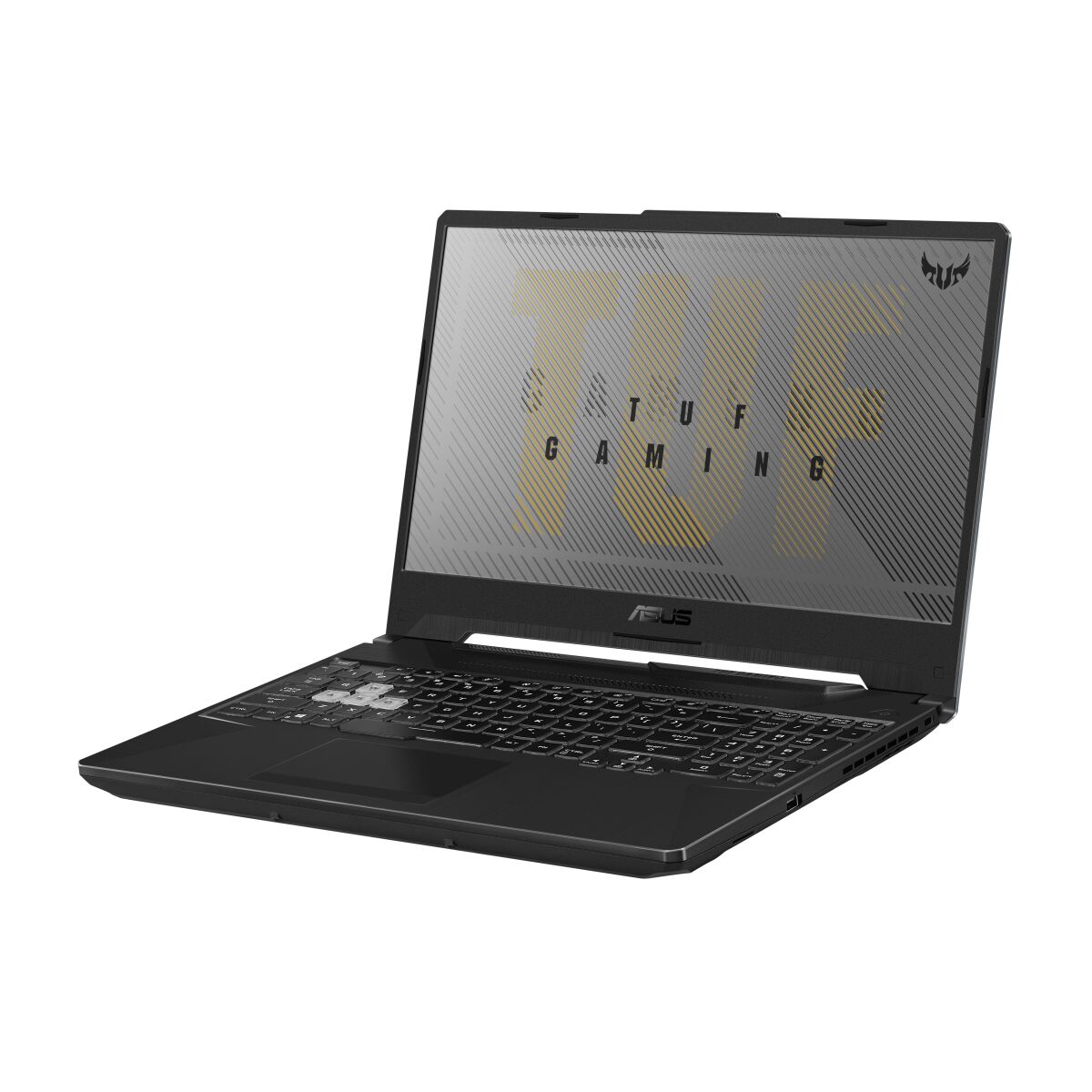
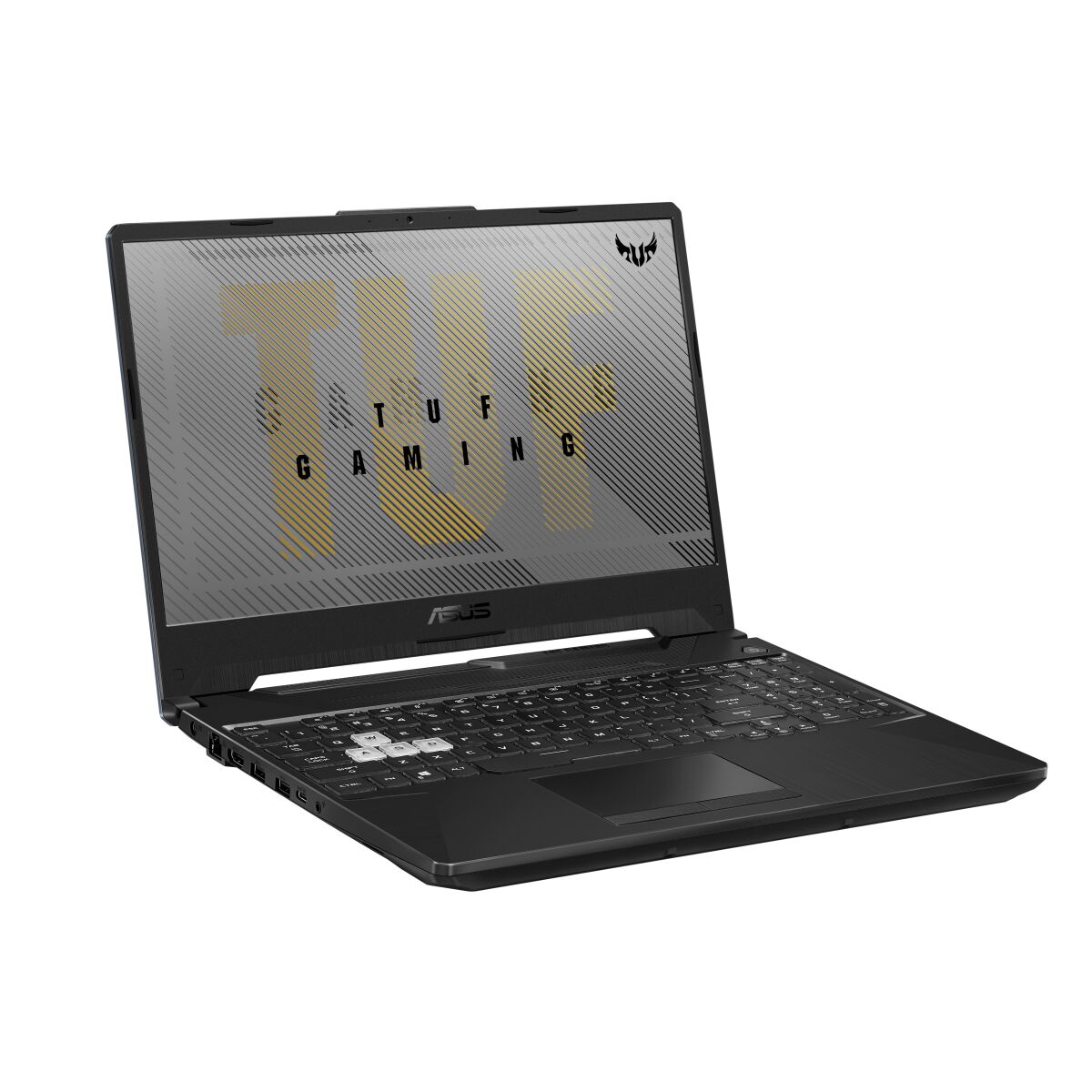


The ASUS TUF Gaming A15 FA506IH-HN163T features DDR4-SDRAM memory with 2x SO-DIMM slots supporting maximum capacity of 32 GB RAM. The upgrade specifications include DDR4-SDRAM operating at 3200 MHz frequency with SO-DIMM form factor. Compatible memory modules enable system expansion through existing dual slots. Maximum memory configuration reaches 32 GB total capacity for this TUF Gaming A15 model. Memory upgrade slots accommodate standard SO-DIMM DDR4 modules within specifications.
Memory Upgrade Specifications
| Specification | Value |
|---|---|
| Memory slots | 2x SO-DIMM |
| Form factor | SO-DIMM |
| Memory type | DDR4-SDRAM |
| Frequency | 3200 MHz |
| Maximum RAM | 32 GB |
| Voltage | 1.2V |
| Number of pins | 260-pin |
| Interface | PC4 |
| PC Speed Rating | PC4-3200 (PC4-25600) |
| Bandwidth | 25.6 GB/s |
| Laptop Release date | 26 August 2020 |
Additional Notes
- The ASUS TUF Gaming FA506IH-HN163T supports dual-channel memory configuration through its 2 SO-DIMM slots, enabling bandwidth doubling when matched modules operate in tandem.
- DDR4-3200 represents the upper frequency specification for this platform, meaning modules rated above 3200 MHz will downclock to this speed regardless of their labeled capability.
- The 32 GB maximum capacity constraint stems from chipset or BIOS limitations, requiring 2x16 GB modules for peak configuration rather than higher-density options.
- SO-DIMM installation requires access to the bottom panel, typically involving warranty seal removal or navigation around Torx/Phillips security fasteners specific to gaming chassis designs.
- Single-channel operation with 1 occupied slot halves memory bandwidth, creating potential frame rate reductions in GPU-intensive scenarios where the integrated or discrete graphics controller shares system memory.
- Non-matching module speeds in populated slots force both to operate at the lower frequency, eliminating the performance advantage of any faster module present.
- Mixing module capacities remains functional but may disable dual-channel mode for the non-overlapping capacity portion, resulting in asymmetric bandwidth allocation.
- DDR4 voltage specifications default to 1.2V for JEDEC-standard modules, while XMP-profiled variants may require BIOS intervention that gaming laptops sometimes restrict compared to desktop platforms.
- CAS latency variations between CL16, CL18, or CL22 modules at identical 3200 MHz frequency directly affect real-world access times, with lower values providing measurable latency reduction in memory-sensitive workloads.
- Thermal considerations in gaming laptops place memory modules adjacent to heat-generating components, making module height restrictions critical to avoid interference with cooling assemblies or chassis closure.