ASUS TUF Gaming FA506IH-HN174 RAM upgrade specifications
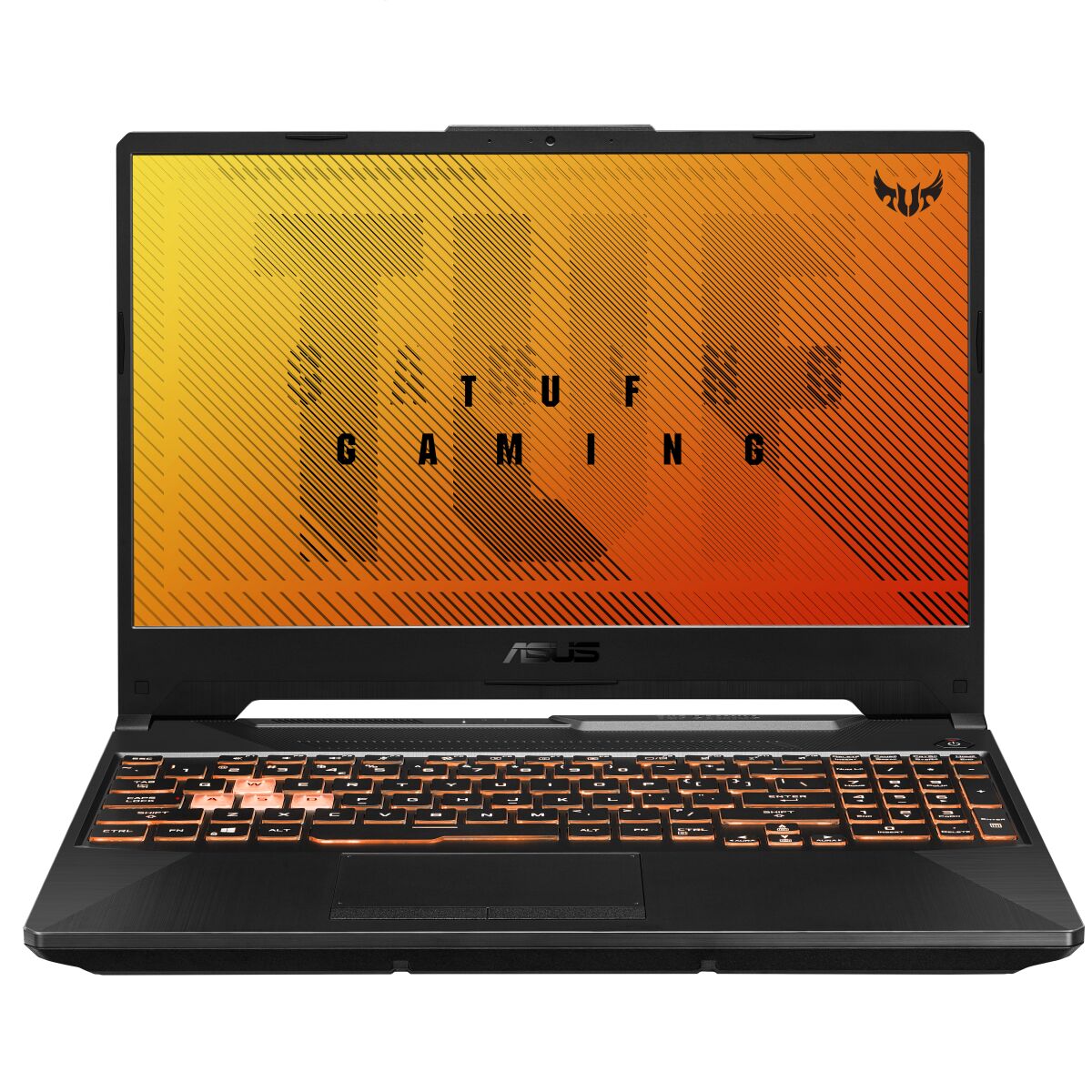
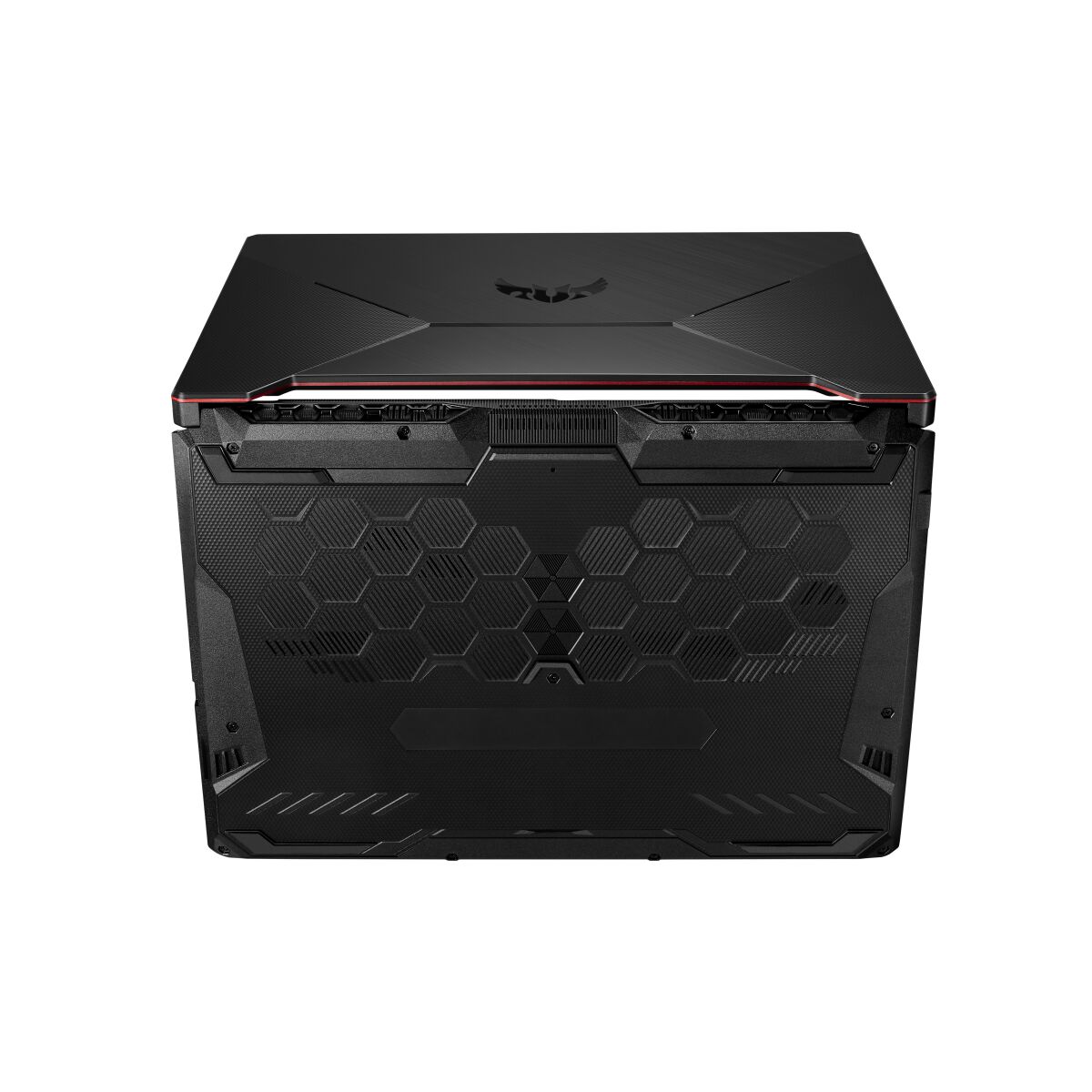
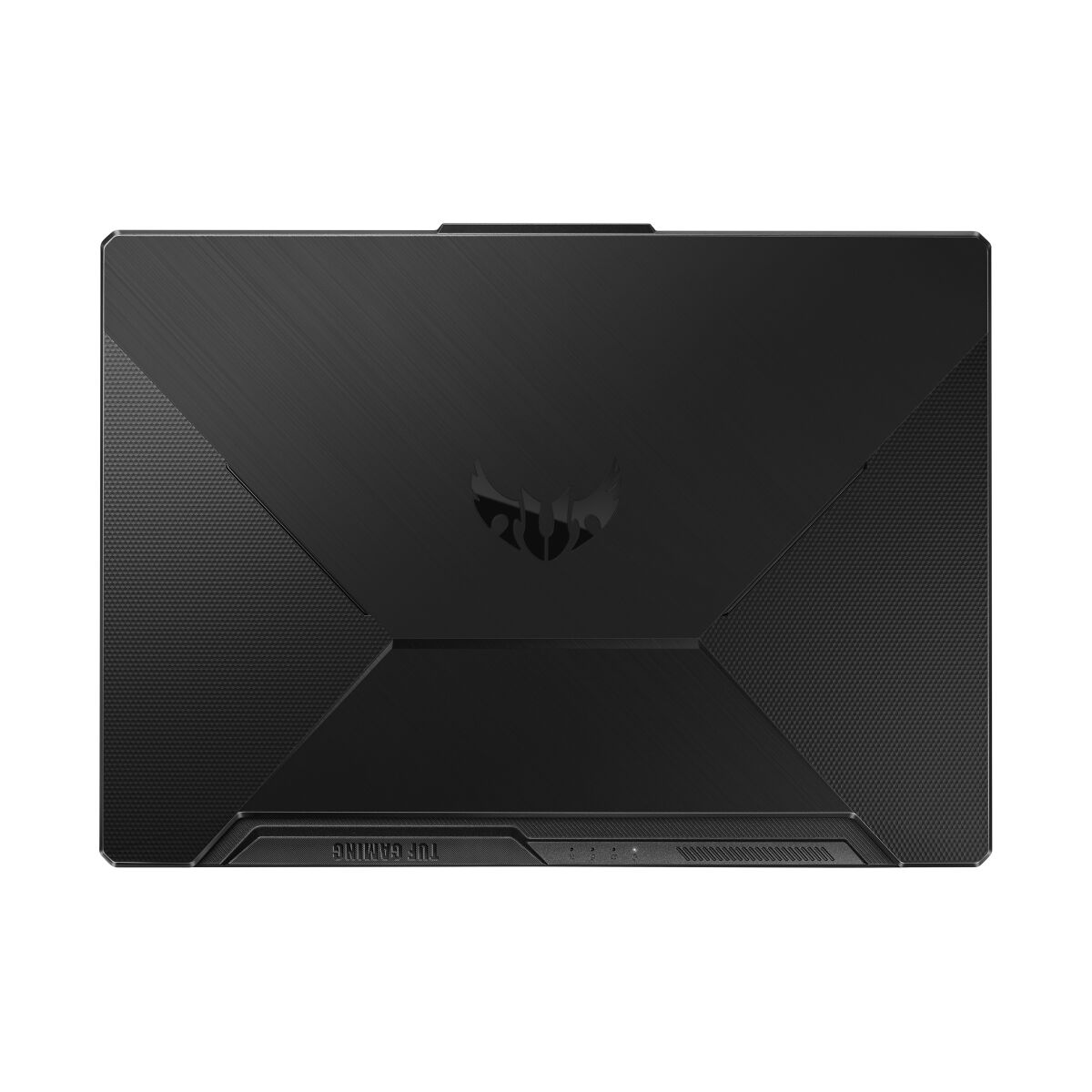


ASUS TUF Gaming A15 FA506IH-HN174 laptop supports DDR4-SDRAM memory upgrades through two SO-DIMM slots. Maximum RAM capacity reaches 32 GB total. Compatible memory modules operate at 3200 MHz frequency. Upgrade specifications enable installation of higher-capacity SO-DIMM modules to increase system memory beyond factory configuration. Standard DDR4 SO-DIMM format ensures broad compatibility with available aftermarket memory modules designed for laptop platforms.
Memory Upgrade Specifications
| Specification | Value |
|---|---|
| Memory slots | 2x SO-DIMM |
| Form factor | SO-DIMM |
| Memory type | DDR4-SDRAM |
| Frequency | 3200 MHz |
| Maximum RAM | 32 GB |
| Voltage | 1.2V |
| Number of pins | 260-pin |
| Interface | PC4 |
| PC Speed Rating | PC4-3200 (PC4-25600) |
| Bandwidth | 25.6 GB/s |
| Laptop Release date | 26 January 2021 |
Additional Notes
- The dual SO-DIMM configuration enables symmetric dual-channel operation when paired modules are installed, which doubles theoretical memory bandwidth compared to single-channel configurations.
- DDR4-3200 represents the maximum JEDEC-standard frequency for this generation, eliminating headroom for overclocking beyond the native specification in typical laptop BIOS implementations.
- The 32 GB ceiling requires two 16 GB modules, as single 32 GB SO-DIMM modules would exceed the controller's per-slot addressing capability even if physically compatible.
- SO-DIMM modules shorter than standard 67.6 mm length will not achieve proper socket retention, while taller heat spreaders may interfere with the keyboard assembly in this chassis.
- Mixing different module capacities forces the memory controller into asymmetric or flex mode, which degrades bandwidth performance in the address range exceeding the smaller module's capacity.
- The ASUS TUF Gaming FA506IH-HN174 lacks support for DDR4-3200 CL16 XMP profiles, as consumer laptop chipsets typically honor only JEDEC SPD timings regardless of module capabilities.
- Voltage specifications remain fixed at 1.2V for DDR4 SO-DIMM operation, preventing the use of low-voltage 1.35V modules marketed for extended battery life in incompatible systems.
- Factory-installed modules soldered to the motherboard do not exist in this architecture, preserving warranty coverage during user-initiated memory replacement procedures.
- Non-ECC unbuffered modules represent the only compatible topology, as registered or ECC variants require server-grade memory controllers absent from gaming-oriented platforms.
- Thermal throttling becomes probable under sustained workloads when 32 GB configurations generate higher heat output than the cooling system's original 8 GB or 16 GB thermal design targets.