ASUS TUF Gaming FA506IHR-HN003W RAM upgrade specifications

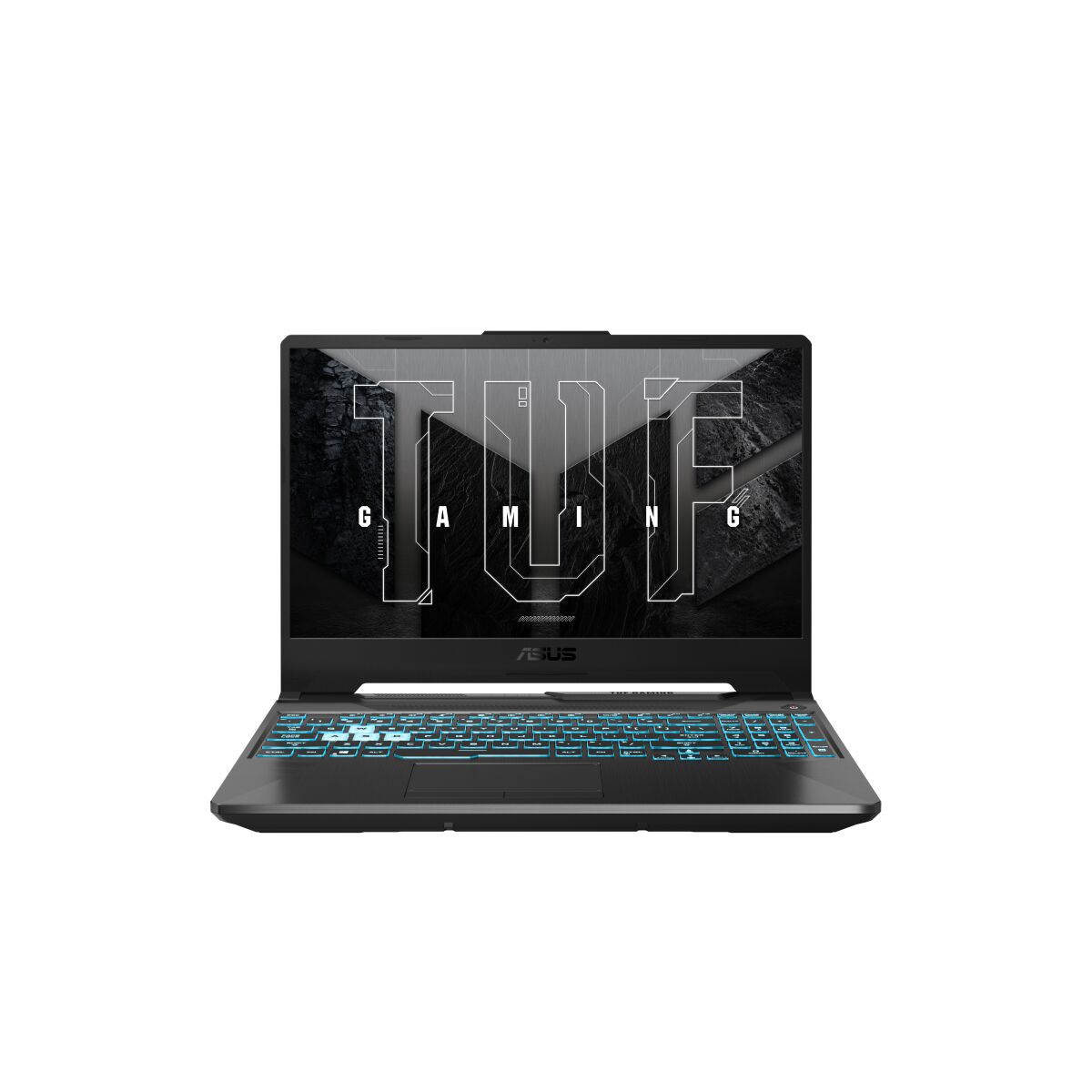



ASUS TUF Gaming A15 FA506IHR-HN003W supports DDR4-SDRAM memory upgrades. The laptop contains 2 SO-DIMM memory slots with maximum capacity of 32 GB total RAM. Compatible memory modules operate at 3200 MHz frequency and use SO-DIMM form factor. Specifications indicate upgrade potential for gaming and multitasking performance enhancement on this TUF Gaming series model.
Memory Upgrade Specifications
| Specification | Value |
|---|---|
| Memory slots | 2x SO-DIMM |
| Form factor | SO-DIMM |
| Memory type | DDR4-SDRAM |
| Frequency | 3200 MHz |
| Maximum RAM | 32 GB |
| Voltage | 1.2V |
| Number of pins | 260-pin |
| Interface | PC4 |
| PC Speed Rating | PC4-3200 (PC4-25600) |
| Bandwidth | 25.6 GB/s |
| Laptop Release date | 20 January 2022 |
Additional Notes
- The ASUS TUF Gaming FA506IHR-HN003W memory controller imposes a 32 GB ceiling regardless of module density, preventing future-proofing beyond 2x16 GB configurations.
- DDR4-3200 represents the validated frequency threshold, with higher-speed modules potentially reverting to 3200 MHz through JEDEC specifications or requiring manual timing adjustments in BIOS.
- Dual SO-DIMM architecture necessitates matched pairs for optimal dual-channel bandwidth, as single-module configurations halve memory throughput and impact integrated graphics performance.
- Removal of factory-installed modules may affect warranty coverage depending on regional service policies, requiring verification of user-serviceable component clauses before installation.
- Non-ECC unbuffered modules remain the only compatible specification, as registered or error-correcting variants will fail POST initialization in consumer-grade memory controllers.
- Mixing modules with different latency timings forces the memory controller to adopt the slowest common denominator, degrading performance below the potential of faster modules.
- Thermal constraints in gaming chassis designs favor modules without oversized heat spreaders, as SO-DIMM slot clearances differ from desktop DIMM tolerances.
- Voltage specifications must remain at standard 1.2V for DDR4, as low-voltage or overclocking-oriented modules may introduce stability issues under sustained gaming workloads.
- Single-rank versus dual-rank module topology affects memory interleaving efficiency, with rank configuration mismatches between slots potentially reducing benchmark performance by measurable percentages.
- The 3200 MHz native frequency eliminates the need for XMP profile support, simplifying compatibility screening compared to platforms requiring overclocking profile activation.