ASUS TUF Gaming FA506IHR-HN019W RAM upgrade specifications
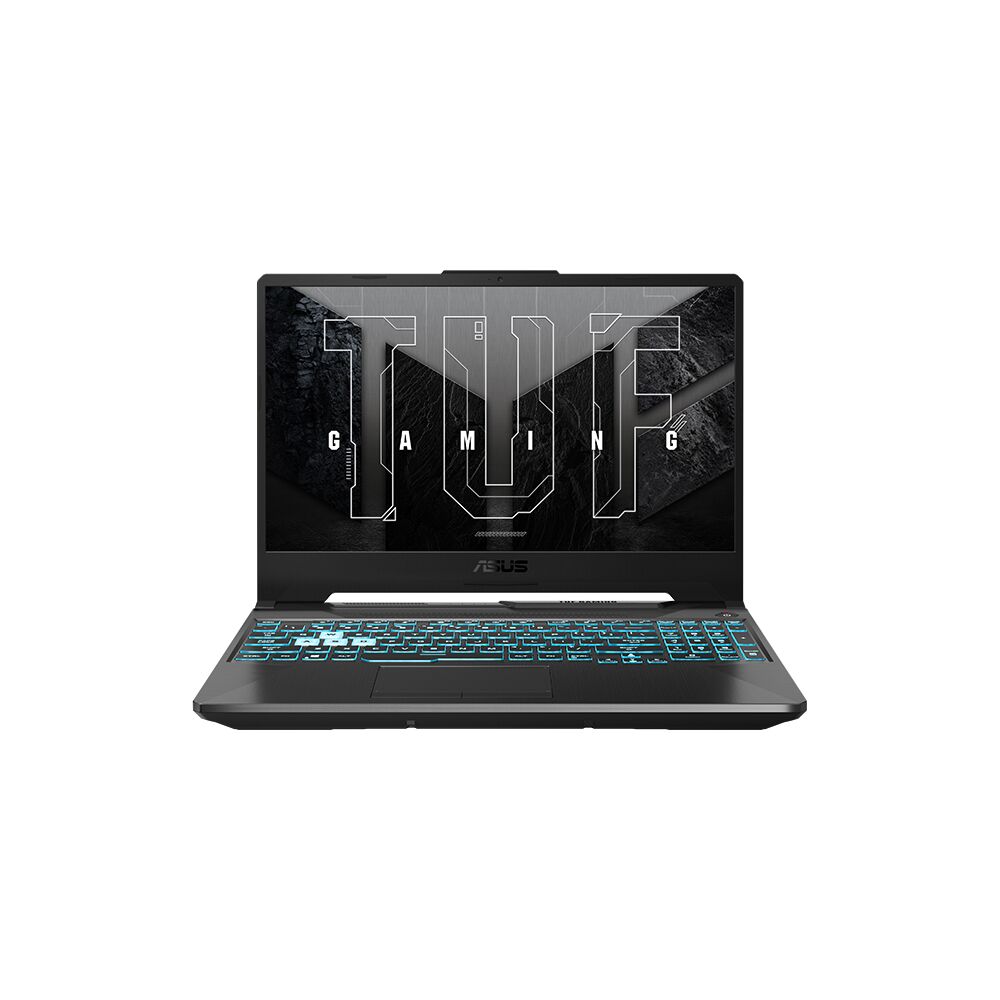
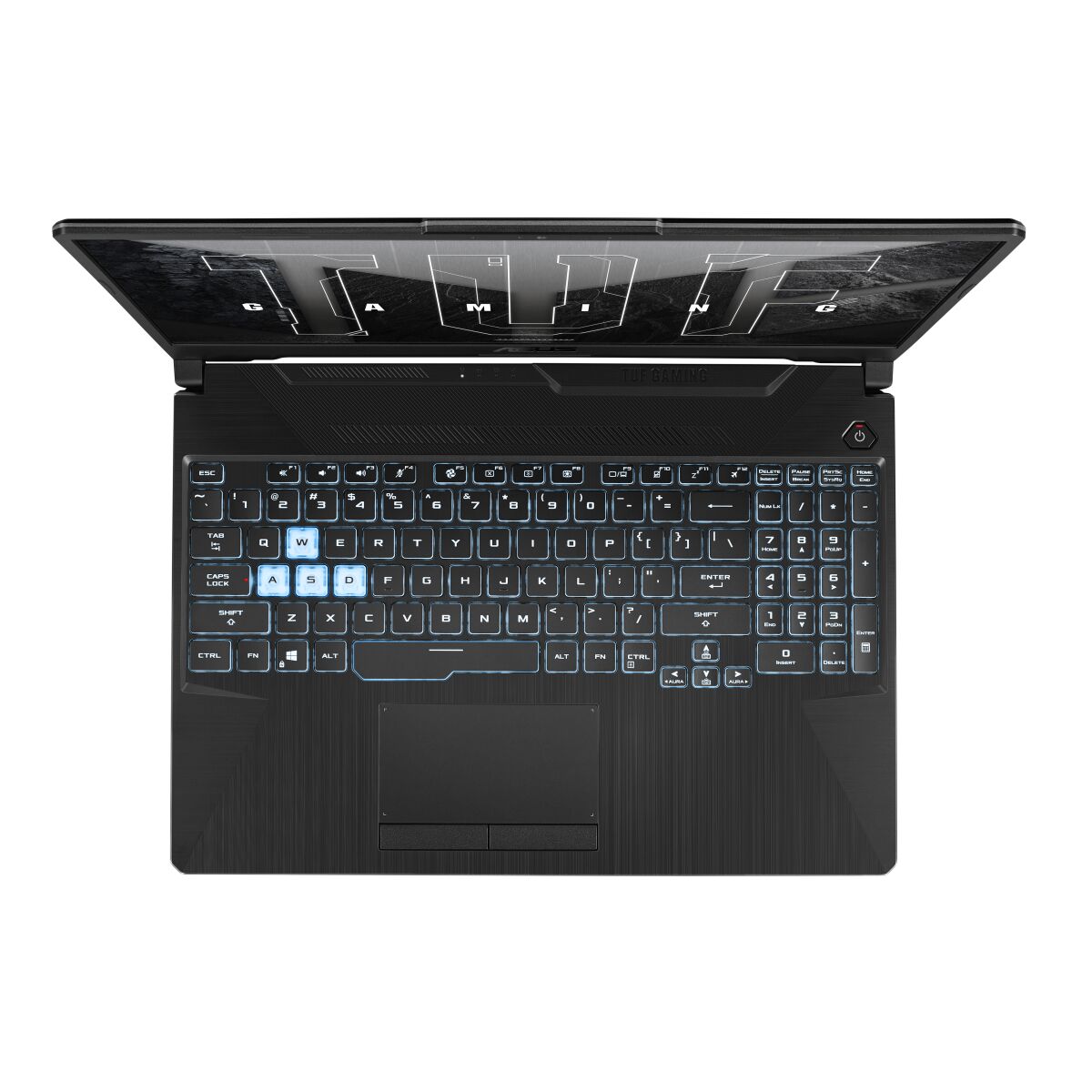

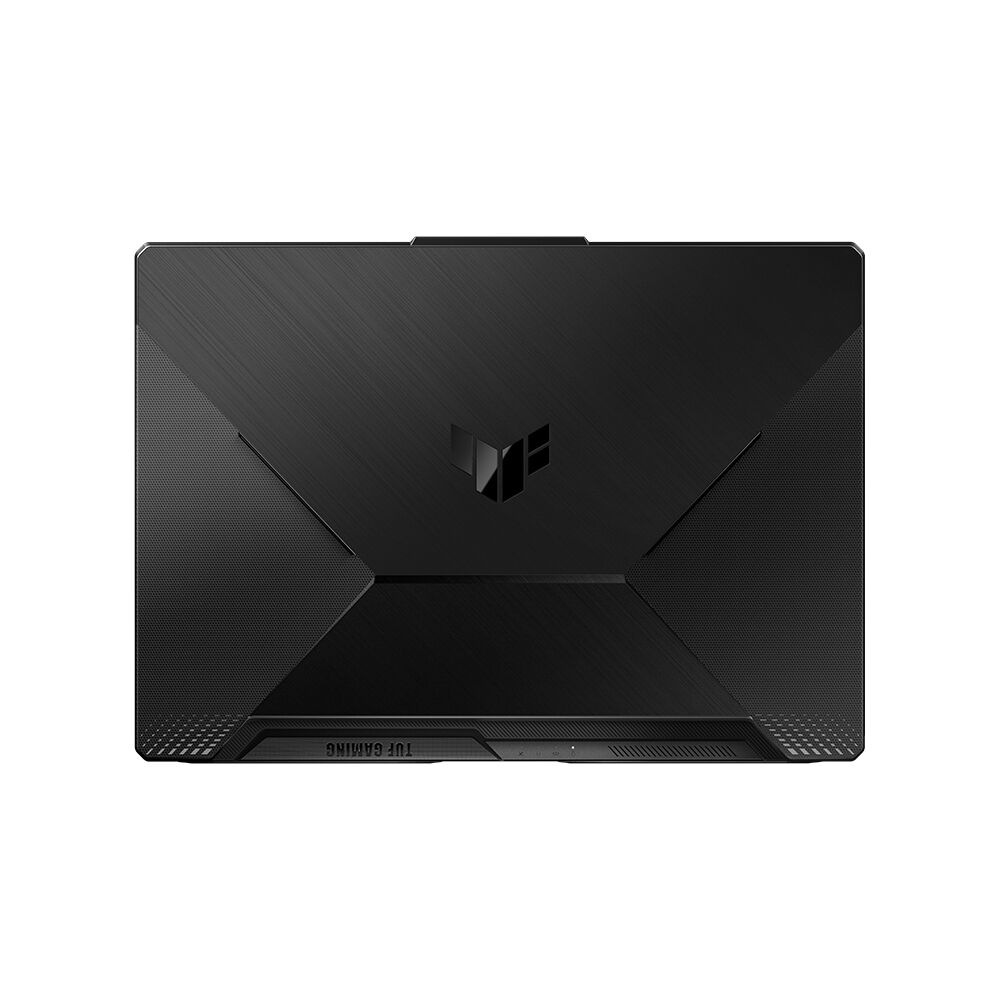

The ASUS TUF Gaming A15 FA506IHR-HN019W features DDR4-SDRAM memory with two SO-DIMM slots supporting maximum RAM capacity of 32 GB. Memory upgrade specifications include DDR4-3200 MHz frequency compatibility. The laptop accommodates SO-DIMM form factor modules for memory expansion. Compatible RAM upgrades enable increased multitasking capacity and performance enhancement. Maximum memory configurations reach 32 GB total capacity across both available slots. Specifications indicate DDR4 memory technology operating at 3200 MHz frequency for this gaming laptop model.
Memory Upgrade Specifications
| Specification | Value |
|---|---|
| Memory slots | 2x SO-DIMM |
| Form factor | SO-DIMM |
| Memory type | DDR4-SDRAM |
| Frequency | 3200 MHz |
| Maximum RAM | 32 GB |
| Voltage | 1.2V |
| Number of pins | 260-pin |
| Interface | PC4 |
| PC Speed Rating | PC4-3200 (PC4-25600) |
| Bandwidth | 25.6 GB/s |
| Laptop Release date | 07 February 2022 |
Additional Notes
- The ASUS TUF Gaming FA506IHR-HN019W's DDR4-3200 specification limits the system to JEDEC-standard speeds, preventing the use of higher frequency modules marketed for gaming laptops that operate at 3466 or 3600 MHz.
- The 32 GB maximum capacity constraint requires installing 2x16 GB modules for full expansion, as 2x8 GB configurations would leave no pathway to reach the supported limit without replacing both modules.
- SO-DIMM modules rated below 3200 MHz will function but may introduce memory bandwidth bottlenecks in dual-channel mode, particularly during workloads that stress both CPU and integrated graphics simultaneously.
- Mixing module capacities between slots forces the memory controller into asymmetric dual-channel mode, where only the matched portion operates in dual-channel while the remainder functions at reduced single-channel bandwidth.
- DDR4 voltage compatibility requires modules adhering to the 1.2V JEDEC standard, as SO-DIMM form factors typically lack manual voltage adjustment options found in desktop BIOS implementations.
- The 2-slot configuration eliminates incremental upgrade flexibility, as each capacity increase necessitates module replacement rather than simple addition of populated slots.
- Non-matching CAS latency timings between paired modules force the memory controller to default to the slower timing profile, degrading effective latency even when both modules share identical frequency ratings.
- Third-party modules require validation against the laptop's qualified vendor list to avoid POST failures, as memory training algorithms in mobile platforms exhibit stricter compatibility tolerances than desktop chipsets.
- Single-rank versus dual-rank module topology affects memory interleaving performance, with dual-rank configurations providing marginal bandwidth improvements in applications optimized for multi-bank access patterns.
- Warranty preservation mandates non-destructive installation procedures, as SO-DIMM retention clips can fracture under excessive lateral force during module insertion or removal attempts.