ASUS TUF Gaming FA506IHRB-HN080 RAM upgrade specifications
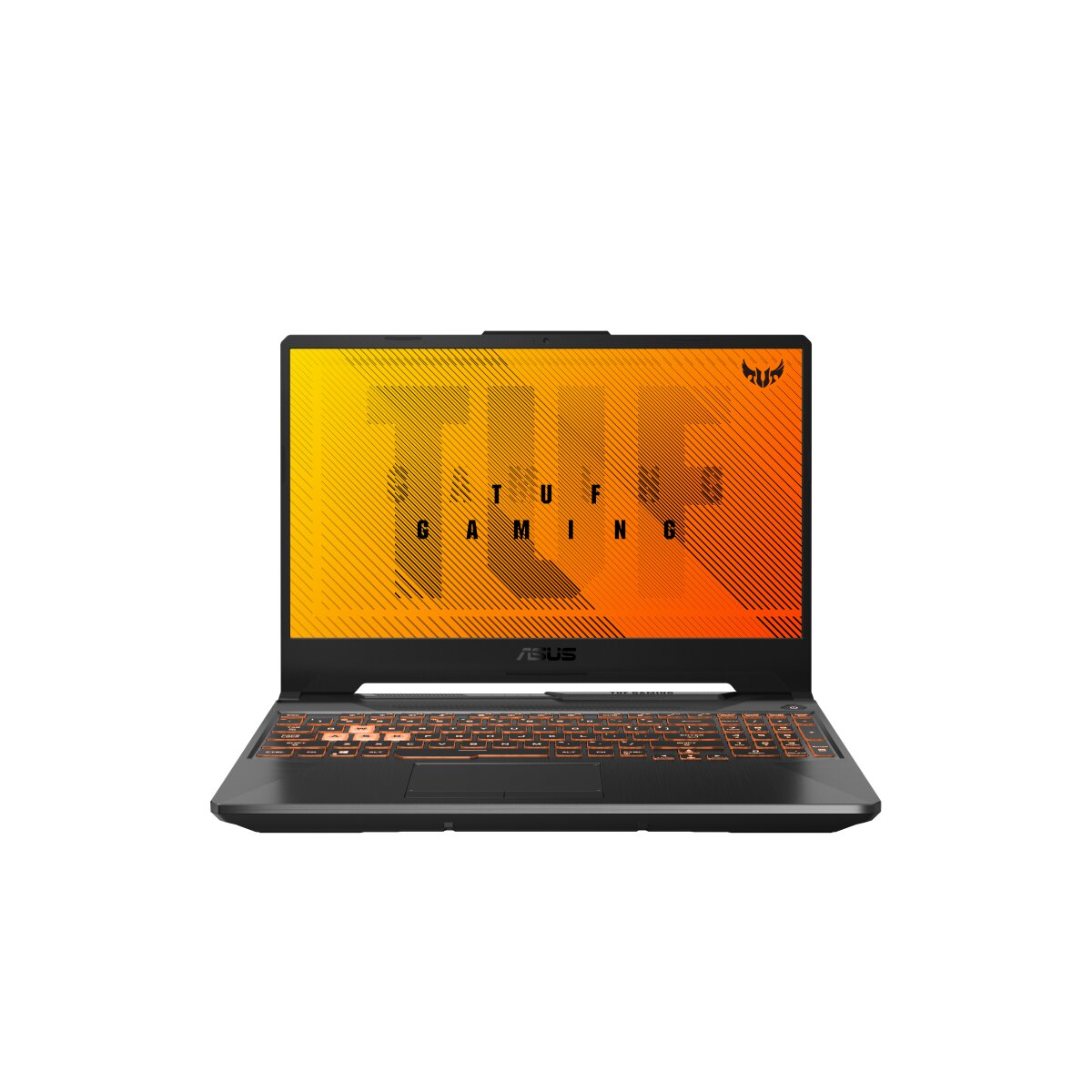
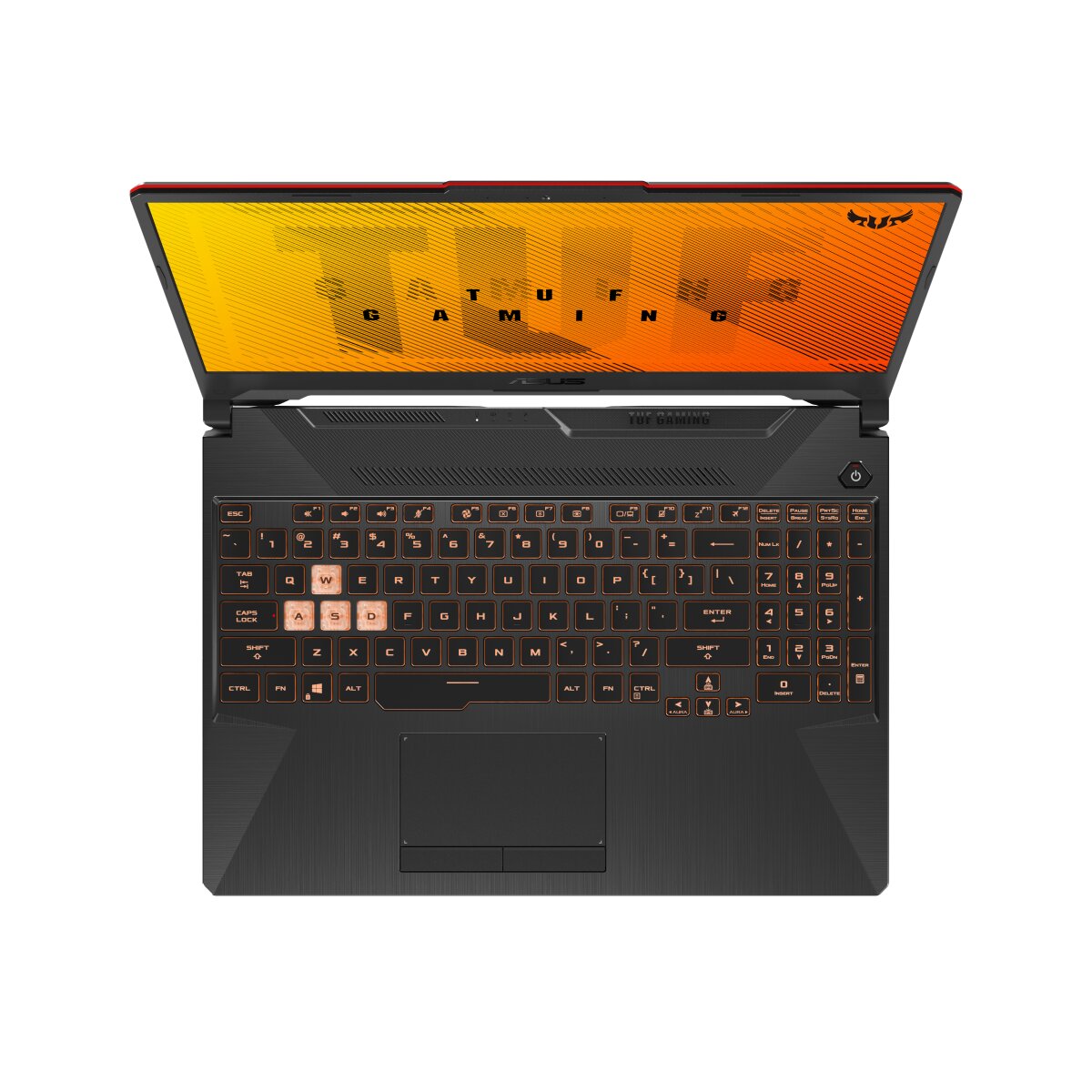

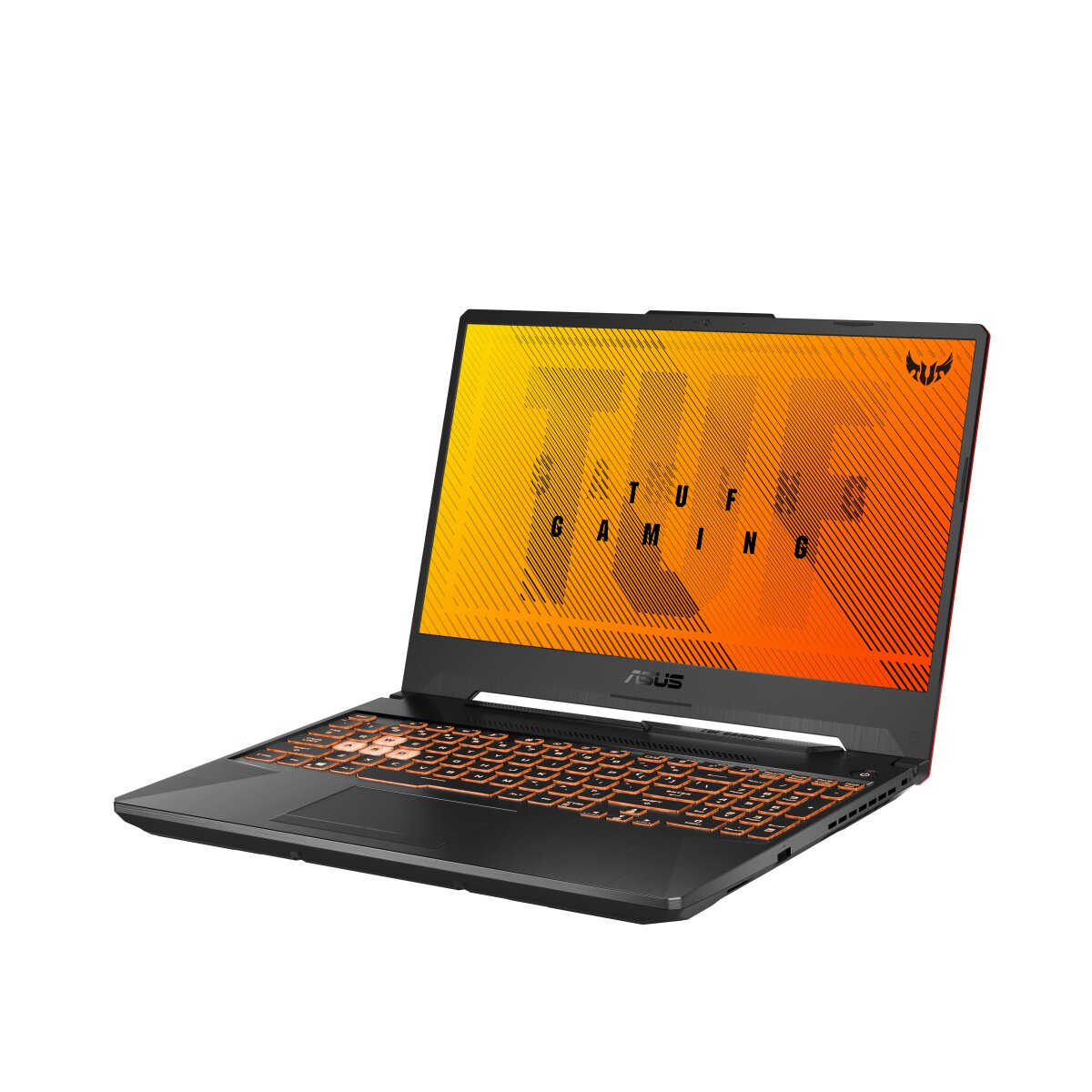
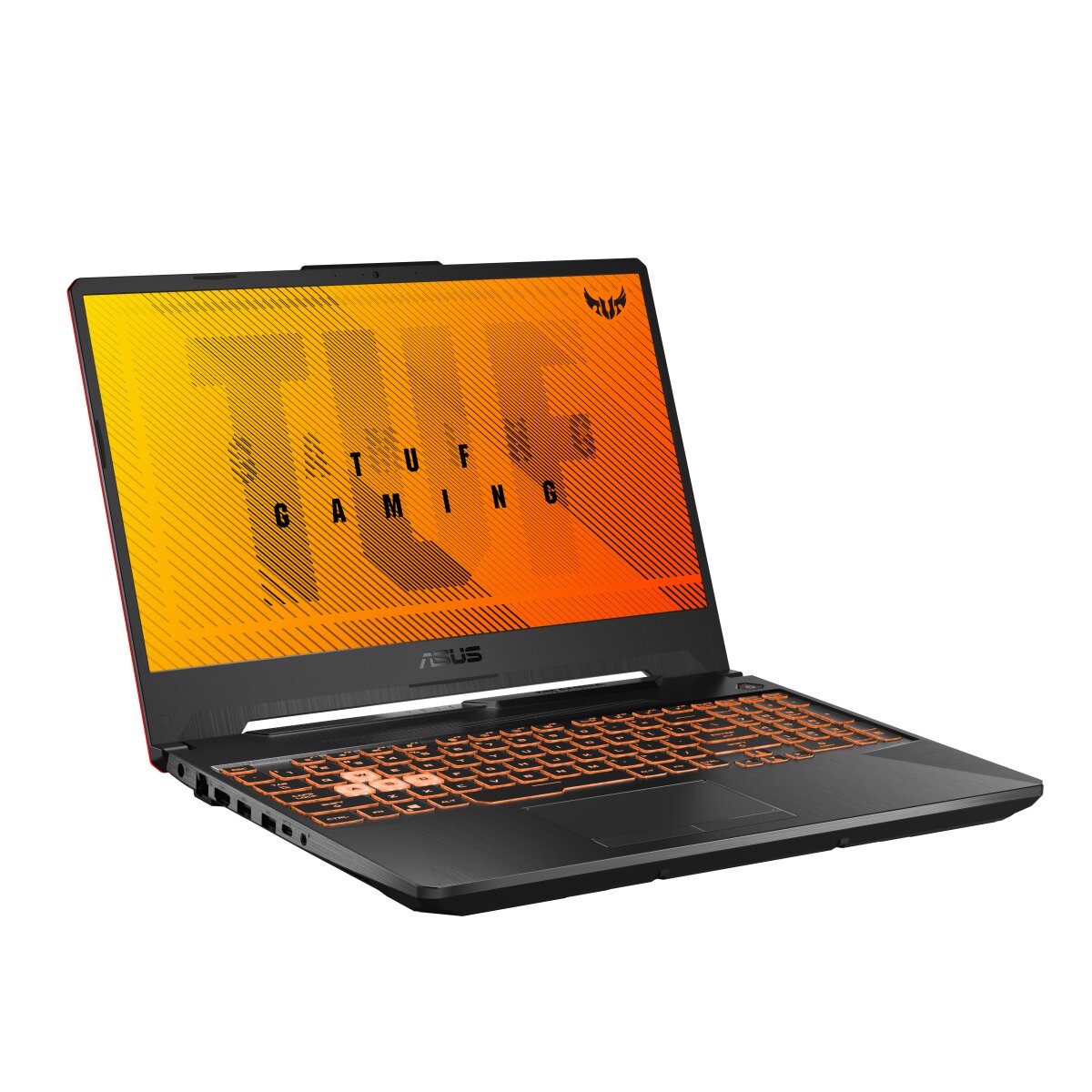
ASUS TUF Gaming A15 FA506IHRB-HN080 laptop memory upgrade specifications include DDR4-SDRAM support with 1x SO-DIMM slot configuration. Compatible RAM modules operate at 3200 MHz frequency and support maximum memory capacity of 32 GB. Upgrade options utilize SO-DIMM form factor for this gaming model. Current memory specifications and compatible modules meet performance requirements for the FA506IHRB-HN080 configuration.
Memory Upgrade Specifications
| Specification | Value |
|---|---|
| Memory slots | 1x SO-DIMM |
| Form factor | SO-DIMM |
| Memory type | DDR4-SDRAM |
| Frequency | 3200 MHz |
| Maximum RAM | 32 GB |
| Voltage | 1.2V |
| Number of pins | 260-pin |
| Interface | PC4 |
| PC Speed Rating | PC4-3200 (PC4-25600) |
| Bandwidth | 25.6 GB/s |
| Laptop Release date | 31 March 2023 |
Additional Notes
- The ASUS TUF Gaming FA506IHRB-HN080 contains a single accessible SO-DIMM slot, indicating that one memory module is soldered directly to the motherboard and cannot be removed or replaced without advanced micro-soldering techniques.
- The 32 GB maximum capacity constraint means that pairing soldered memory with the upgradeable slot requires careful capacity planning, as mismatched module sizes will limit dual-channel operation to the capacity of the smaller module.
- DDR4-3200 represents the highest officially supported speed for this configuration, though the actual operating frequency depends on both the CPU memory controller specifications and the speed of the soldered module.
- Installing a module faster than 3200 MHz will result in automatic downclocking to match the system's maximum supported speed, preventing any performance benefit from premium memory kits.
- Dual-channel bandwidth optimization requires matching the capacity of the soldered module in the upgradeable slot, as asymmetric configurations operate in flex mode with reduced bandwidth for the excess capacity.
- The SO-DIMM form factor specification eliminates compatibility with standard desktop DIMM modules, requiring laptop-specific memory regardless of matching speed and type specifications.
- Voltage requirements default to the DDR4 standard of 1.2V, meaning low-voltage or high-performance modules rated at different voltages may cause stability issues or fail to initialize.
- The single-slot design prevents future capacity expansion beyond the initial upgrade, making the first module choice permanent unless the entire unit is replaced.
- Memory removal and installation typically requires complete bottom panel disassembly, which may void warranty protection if manufacturer seals are broken during the process.
- CAS latency ratings affect real-world performance independently of frequency, but tighter timings at 3200 MHz provide diminishing returns compared to simply maximizing capacity for gaming workloads.