ASUS TUF Gaming FA506IHRB-HN080W RAM upgrade specifications
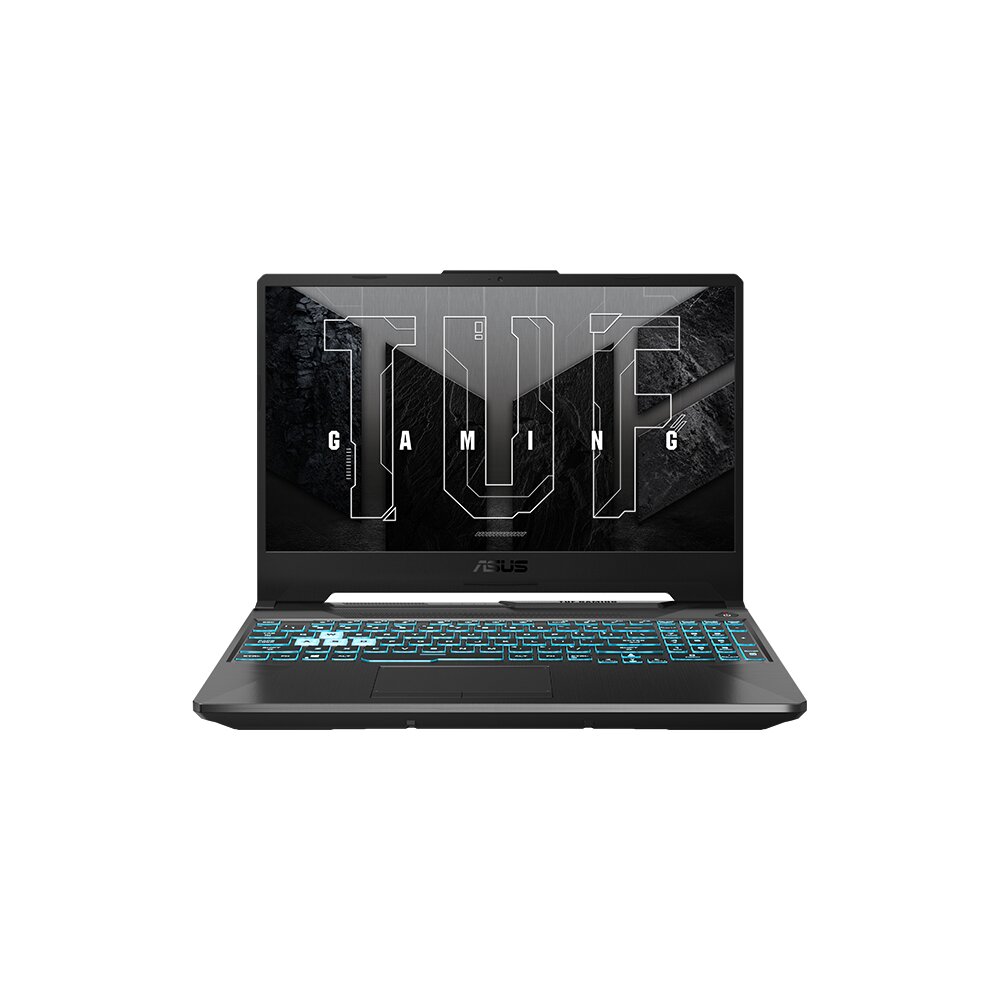
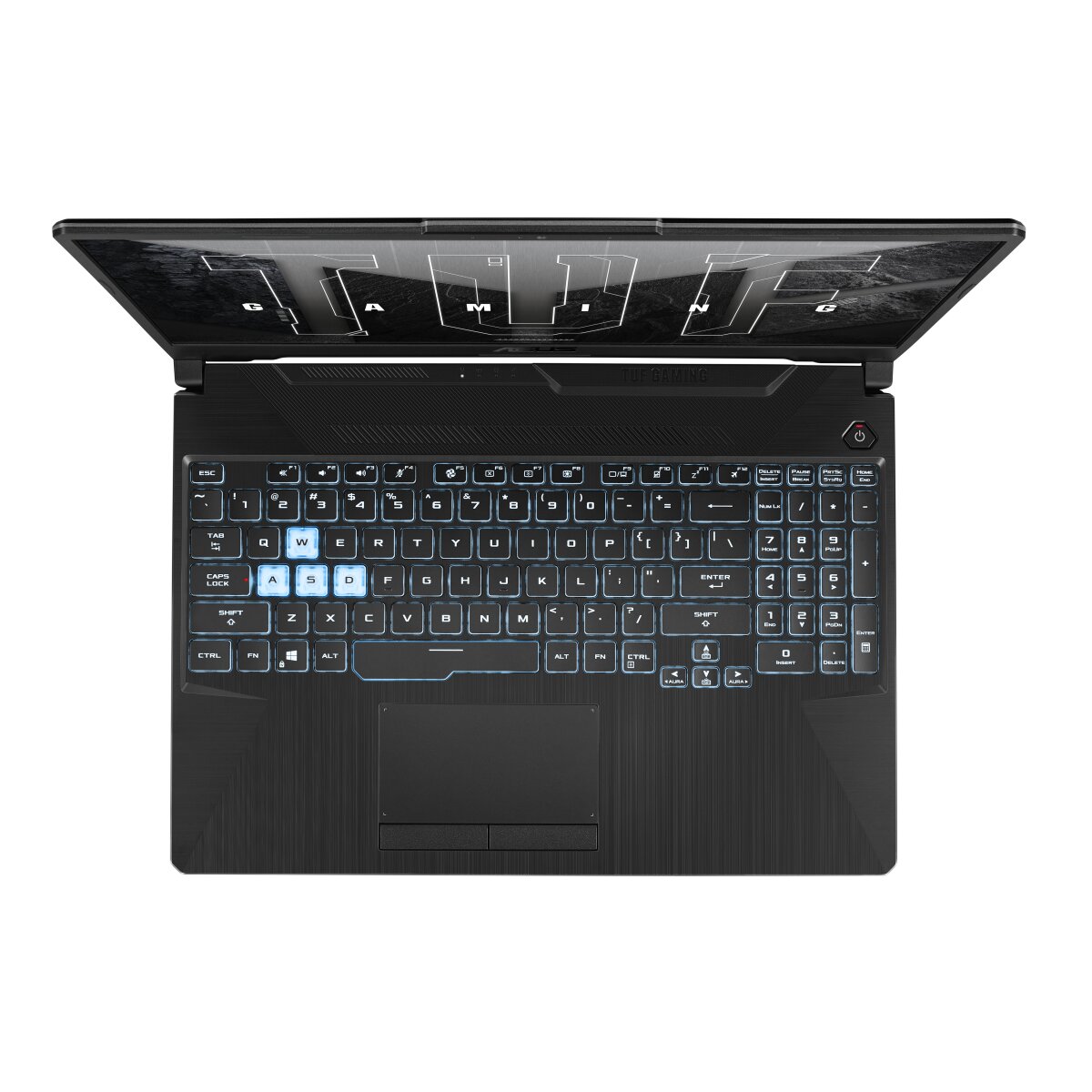

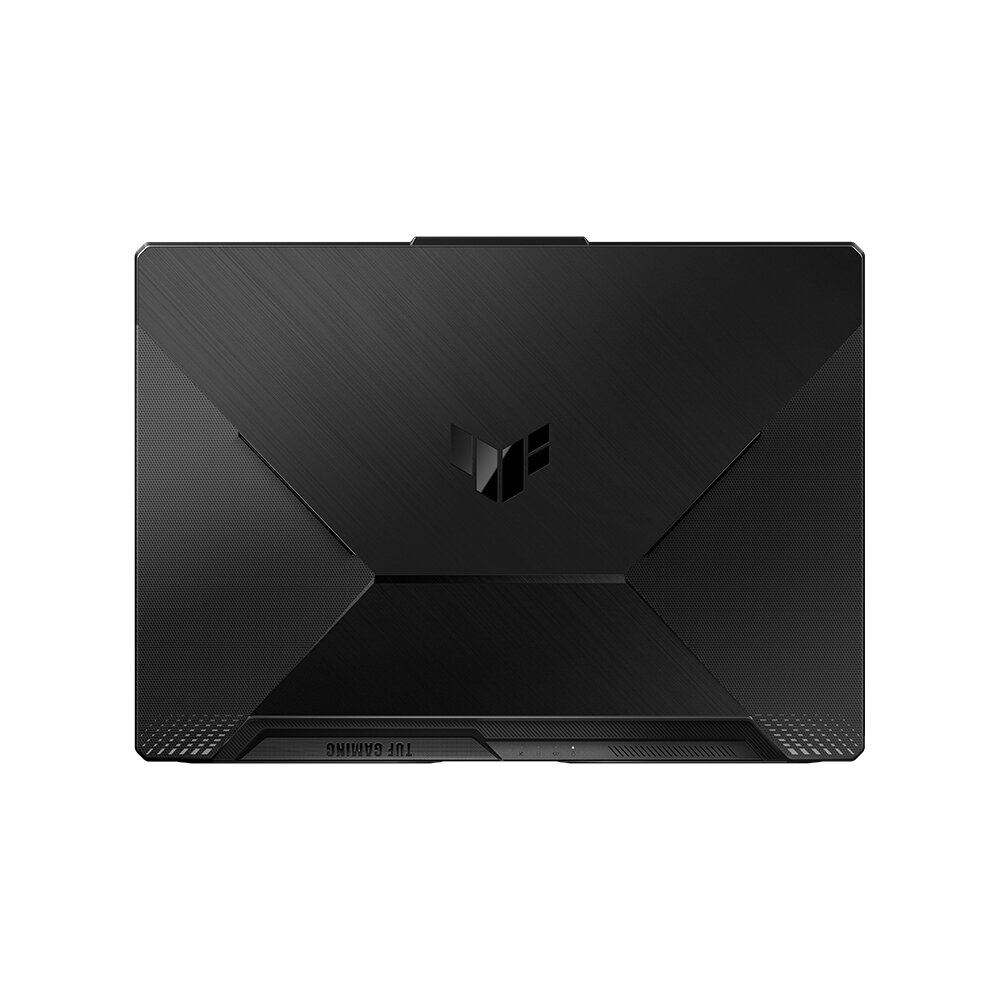

ASUS TUF Gaming A15 series model FA506IHRB-HN080W features DDR4-SDRAM memory upgrade specifications. The laptop contains 2x SO-DIMM slots for memory expansion. Maximum RAM capacity reaches 32 GB total. Compatible memory operates at 3200 MHz frequency. Memory upgrades utilize SO-DIMM form factor modules. Specifications support DDR4 technology for performance enhancement. Current configuration allows dual-channel memory operation through available upgrade slots.
Memory Upgrade Specifications
| Specification | Value |
|---|---|
| Memory slots | 2x SO-DIMM |
| Form factor | SO-DIMM |
| Memory type | DDR4-SDRAM |
| Frequency | 3200 MHz |
| Maximum RAM | 32 GB |
| Voltage | 1.2V |
| Number of pins | 260-pin |
| Interface | PC4 |
| PC Speed Rating | PC4-3200 (PC4-25600) |
| Bandwidth | 25.6 GB/s |
| Laptop Release date | 11 May 2022 |
Additional Notes
- The ASUS TUF Gaming FA506IHRB-HN080W uses laptop-grade SO-DIMM memory rather than desktop DIMM, restricting upgrade sources to mobile-specific DDR4 modules and eliminating compatibility with standard desktop RAM.
- DDR4-3200 operates at a fixed frequency ceiling; installing faster DDR4 modules will downclock to 3200 MHz, making premium memory speeds economically inefficient for this platform.
- The 2-slot architecture means maximum capacity of 32 GB requires both slots populated with 16 GB modules; single-slot upgrades cannot exceed 16 GB total without replacing existing memory.
- SO-DIMM modules occupy confined physical space beneath the keyboard deck; thermal management around upgraded memory may differ from factory configuration, particularly if aftermarket heatspreaders are thicker than OEM components.
- The 32 GB ceiling aligns with Intel 11th-generation mobile processor limitations; upgrading beyond this threshold provides no functional benefit regardless of motherboard design.
- Mixing memory capacities and speeds within the 2-slot configuration forces the system to operate at the lowest common denominator frequency and latency timings across both modules.
- DDR4 modules remain widely available in SO-DIMM format, reducing supply-chain risk and pricing volatility compared to emerging memory standards, supporting long-term upgrade feasibility.