ASUS TUF Gaming FA506II-BQ018T RAM upgrade specifications

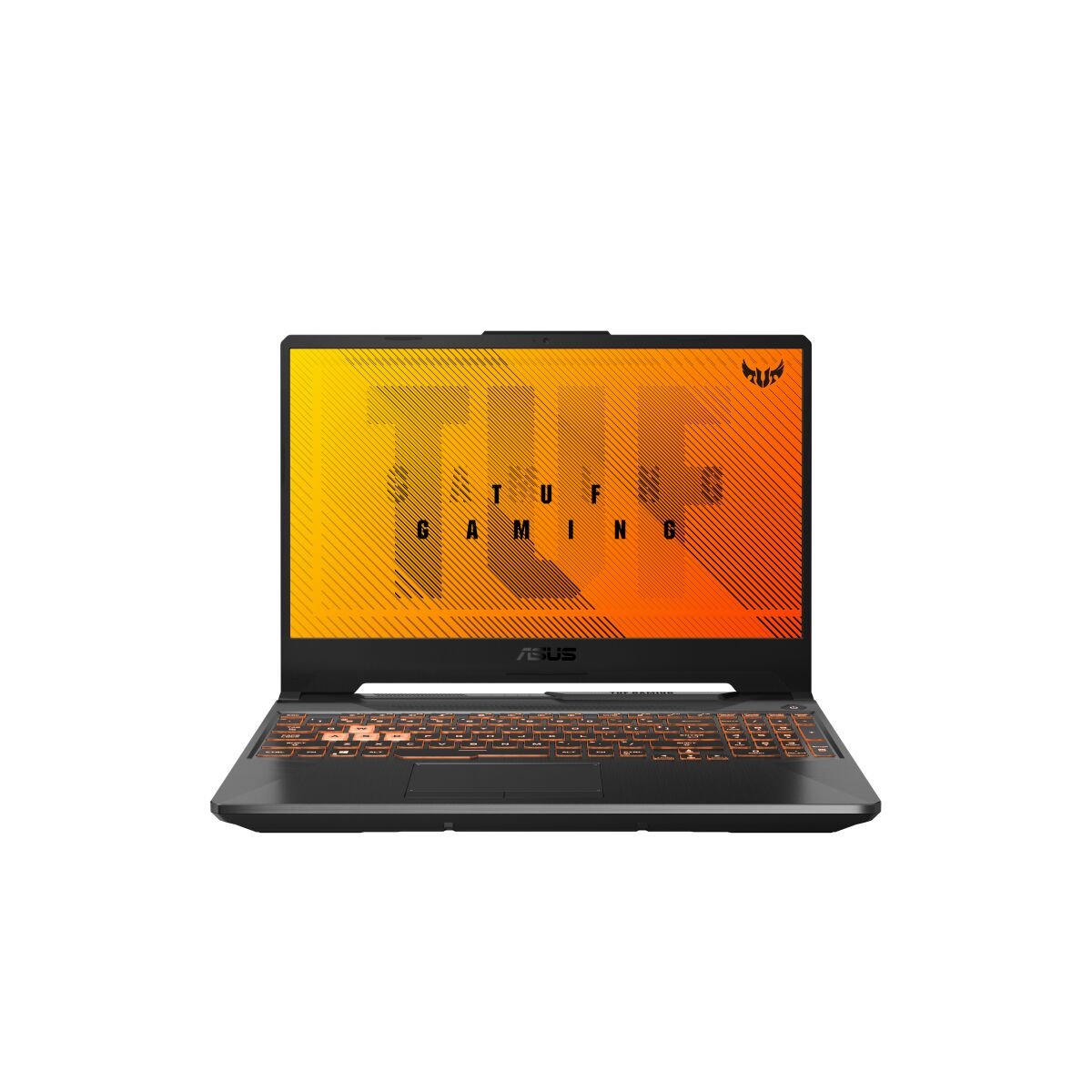
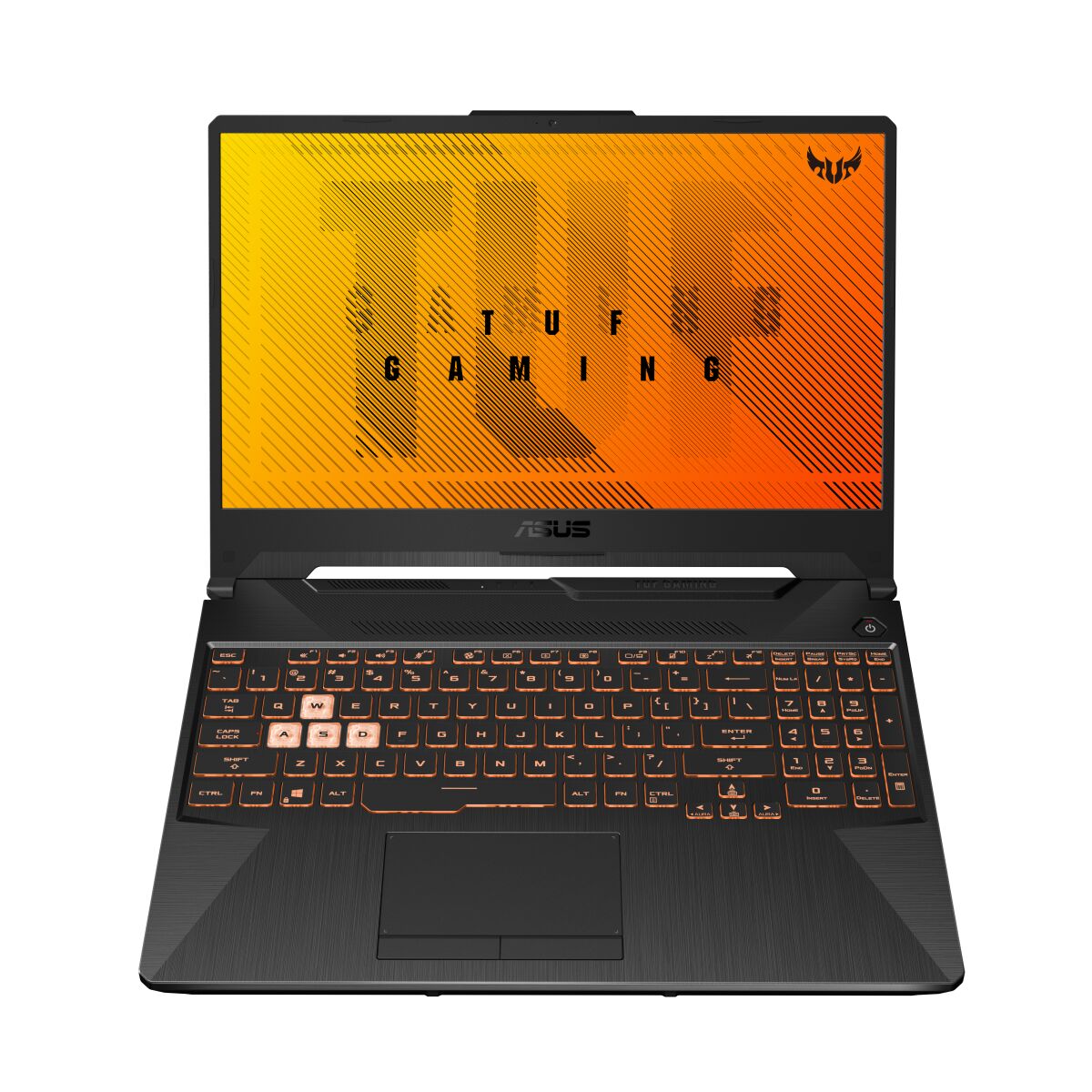
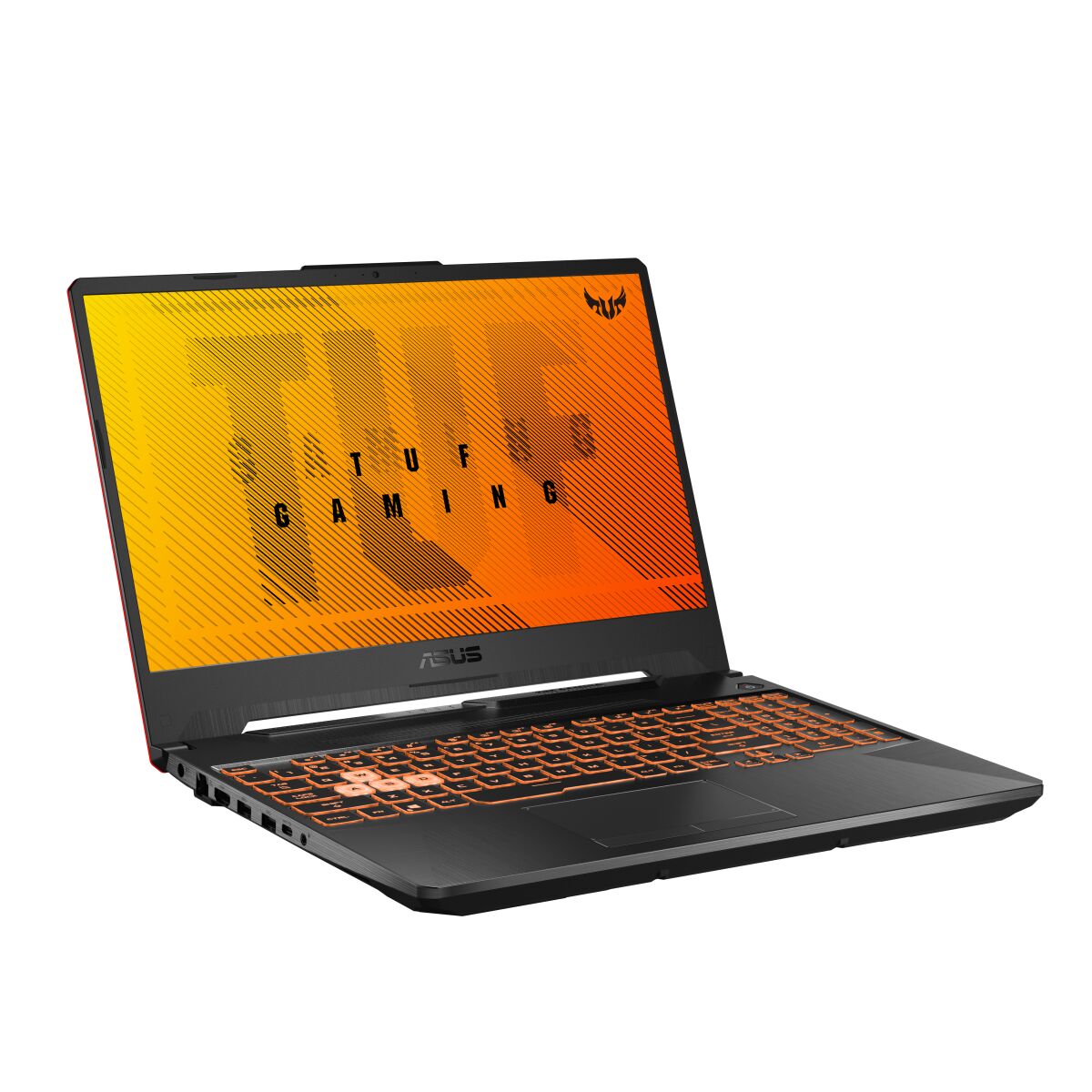
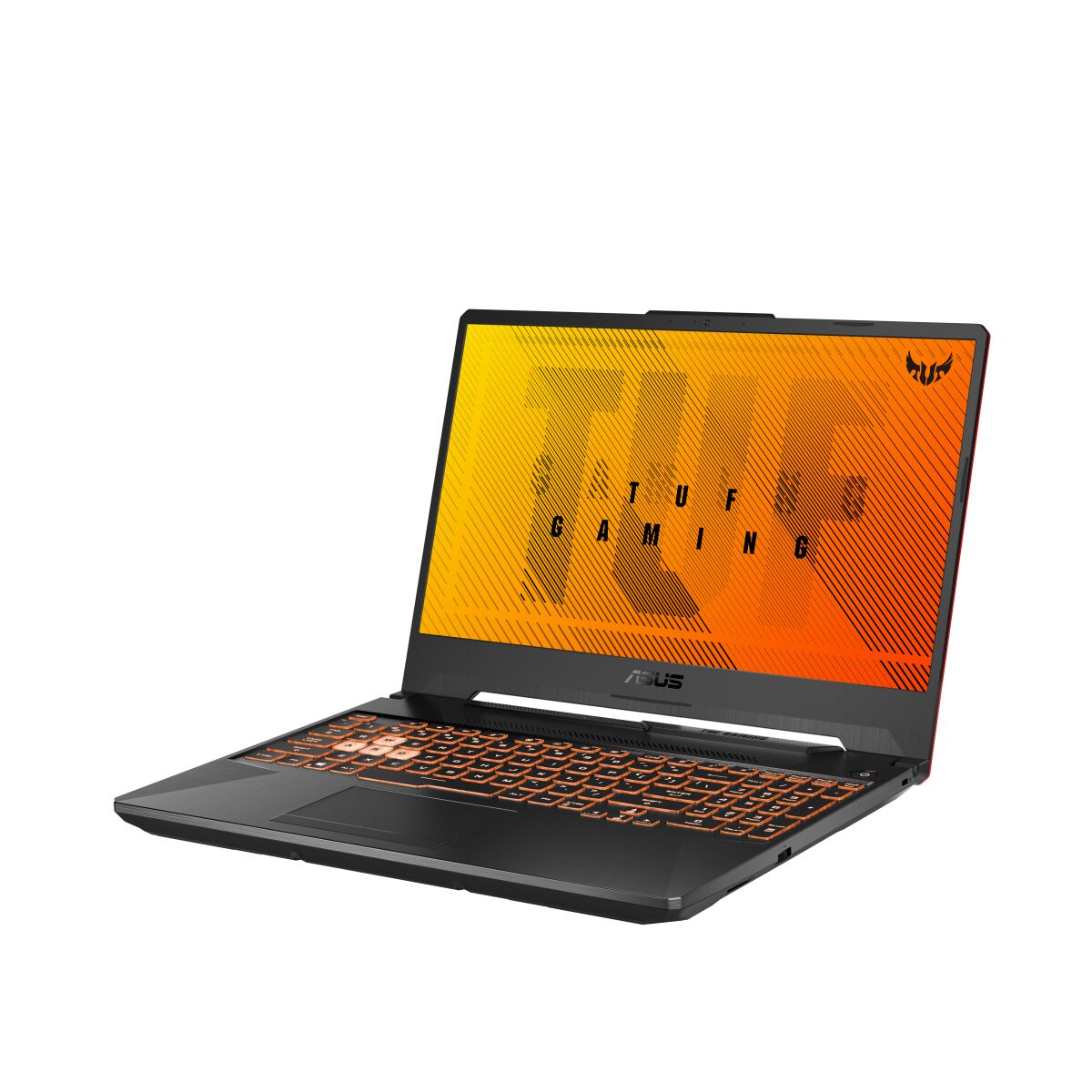
ASUS TUF Gaming A15 FA506II-BQ018T upgrade specifications feature DDR4-SDRAM memory compatible with 2x SO-DIMM slots. Maximum RAM capacity reaches 32 GB total, supporting DDR4 modules at 3200 MHz frequency. Specifications indicate dual memory slots available for upgrade configurations, allowing users to expand or replace existing SO-DIMM modules to achieve maximum supported capacity on the gaming laptop platform.
Memory Upgrade Specifications
| Specification | Value |
|---|---|
| Memory slots | 2x SO-DIMM |
| Form factor | SO-DIMM |
| Memory type | DDR4-SDRAM |
| Frequency | 3200 MHz |
| Maximum RAM | 32 GB |
| Voltage | 1.2V |
| Number of pins | 260-pin |
| Interface | PC4 |
| PC Speed Rating | PC4-3200 (PC4-25600) |
| Bandwidth | 25.6 GB/s |
| Laptop Release date | 31 May 2020 |
Additional Notes
- The ASUS TUF Gaming FA506II-BQ018T contains 2 SO-DIMM slots, meaning both slots must be populated to achieve the 32 GB maximum capacity. Removing one module to add a larger module requires temporary operation with a single module, reducing bandwidth during the transition period.
- DDR4-3200 MHz memory operates at a fixed frequency; DDR4 modules rated above 3200 MHz will downclock to 3200 MHz in this platform, eliminating performance gains from higher-speed modules without compatibility benefit.
- SO-DIMM form factor limits upgrade options to laptop-grade memory. Desktop DDR4 UDIMM modules are physically incompatible and cannot be force-fitted due to keying differences and connector geometry.
- Dual-channel operation requires matched pairs for optimal memory performance. Mixing module sizes (for example, 8 GB with 16 GB) or different manufacturers produces asymmetrical capacity distribution, which may reduce effective bandwidth compared to symmetric configurations.
- The 32 GB ceiling constrains future capacity scaling. Operations requiring more than 32 GB of system RAM cannot be accommodated through memory expansion alone and require hardware replacement or alternative platforms.
- DDR4 memory remains stable within laptop thermal environments, but SO-DIMM modules placed in both slots reduce airflow around the memory area. Thermal interface pads on replacement modules should match the original specification to prevent heat dissipation issues near the slots.