ASUS TUF Gaming FA506II-HN138T RAM upgrade specifications

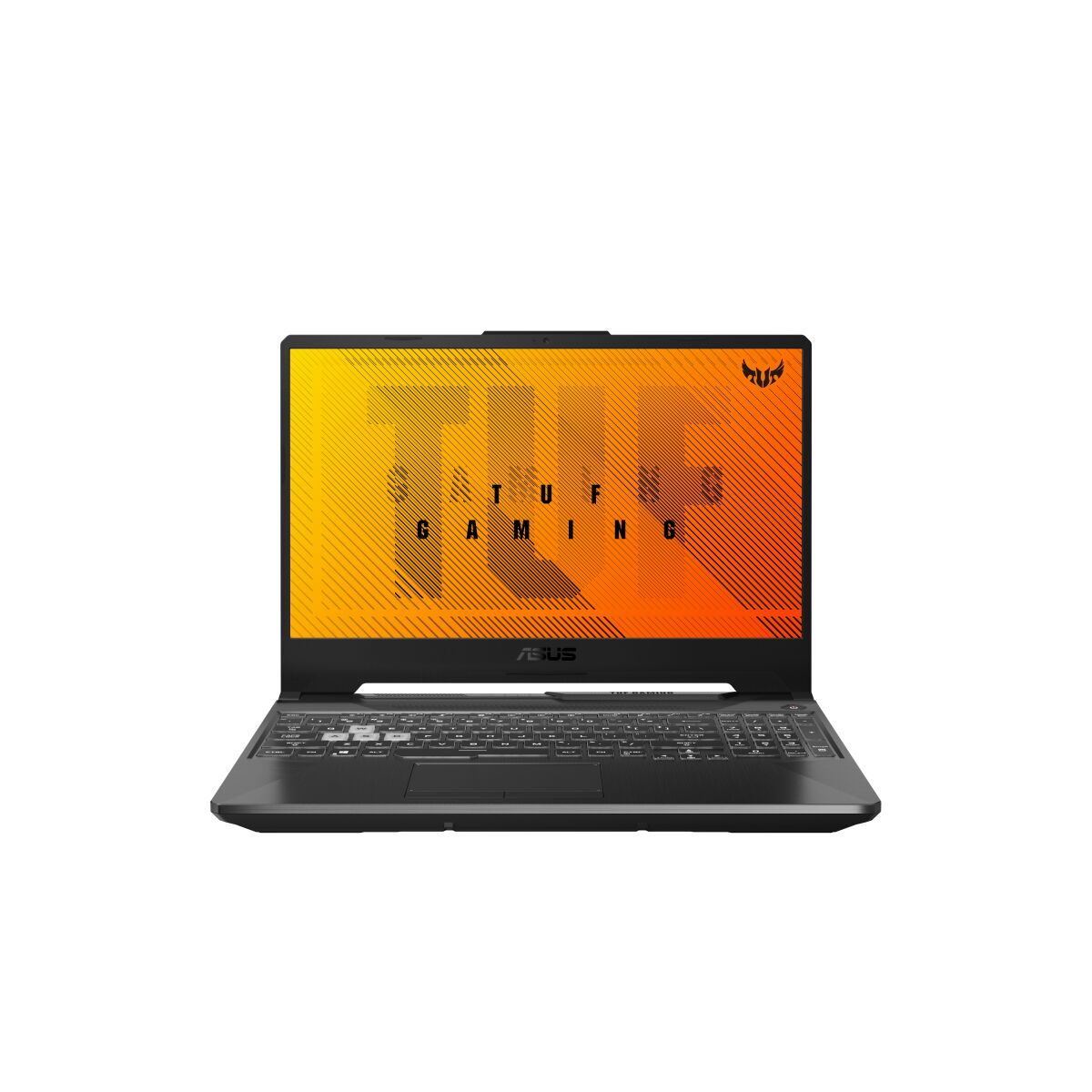
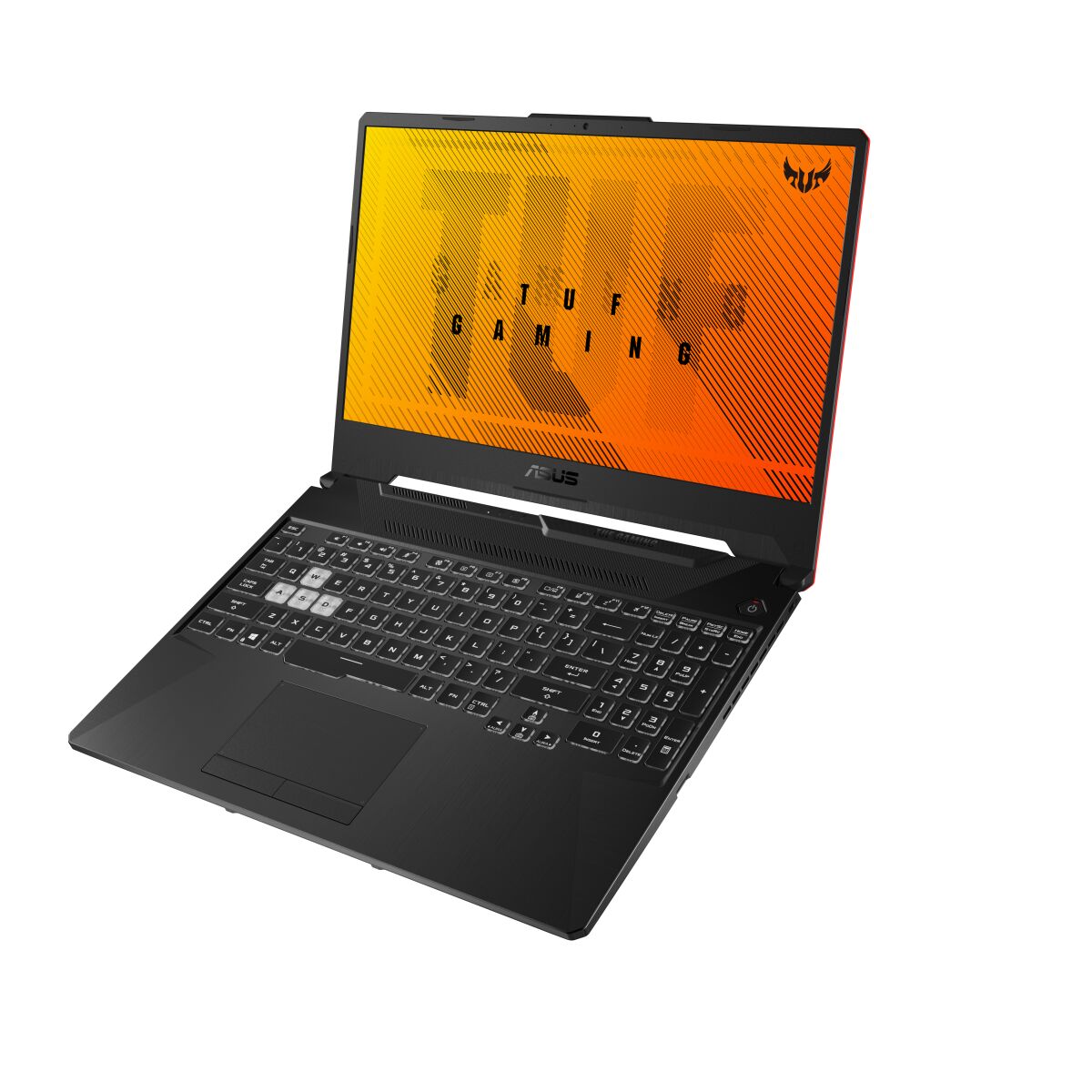
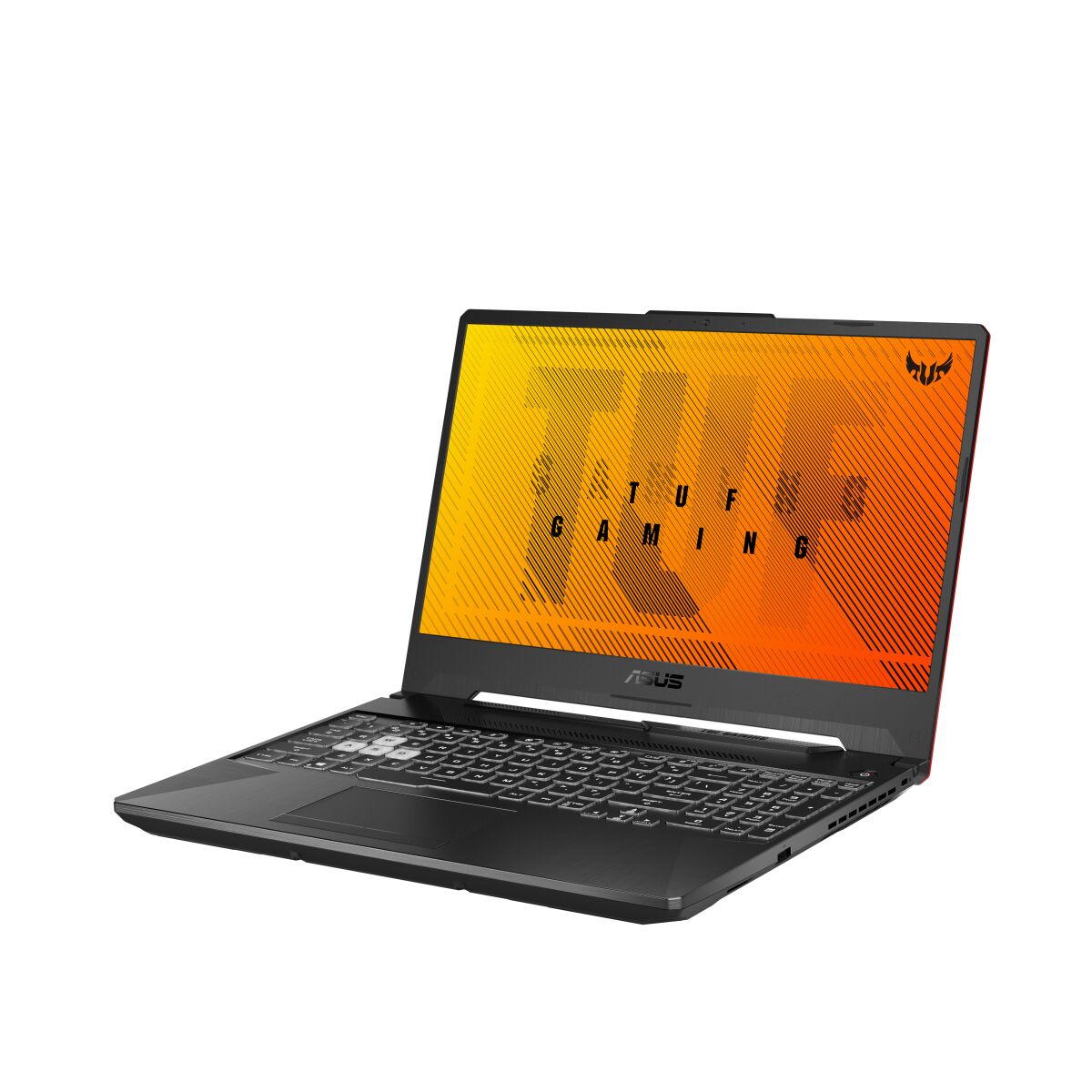
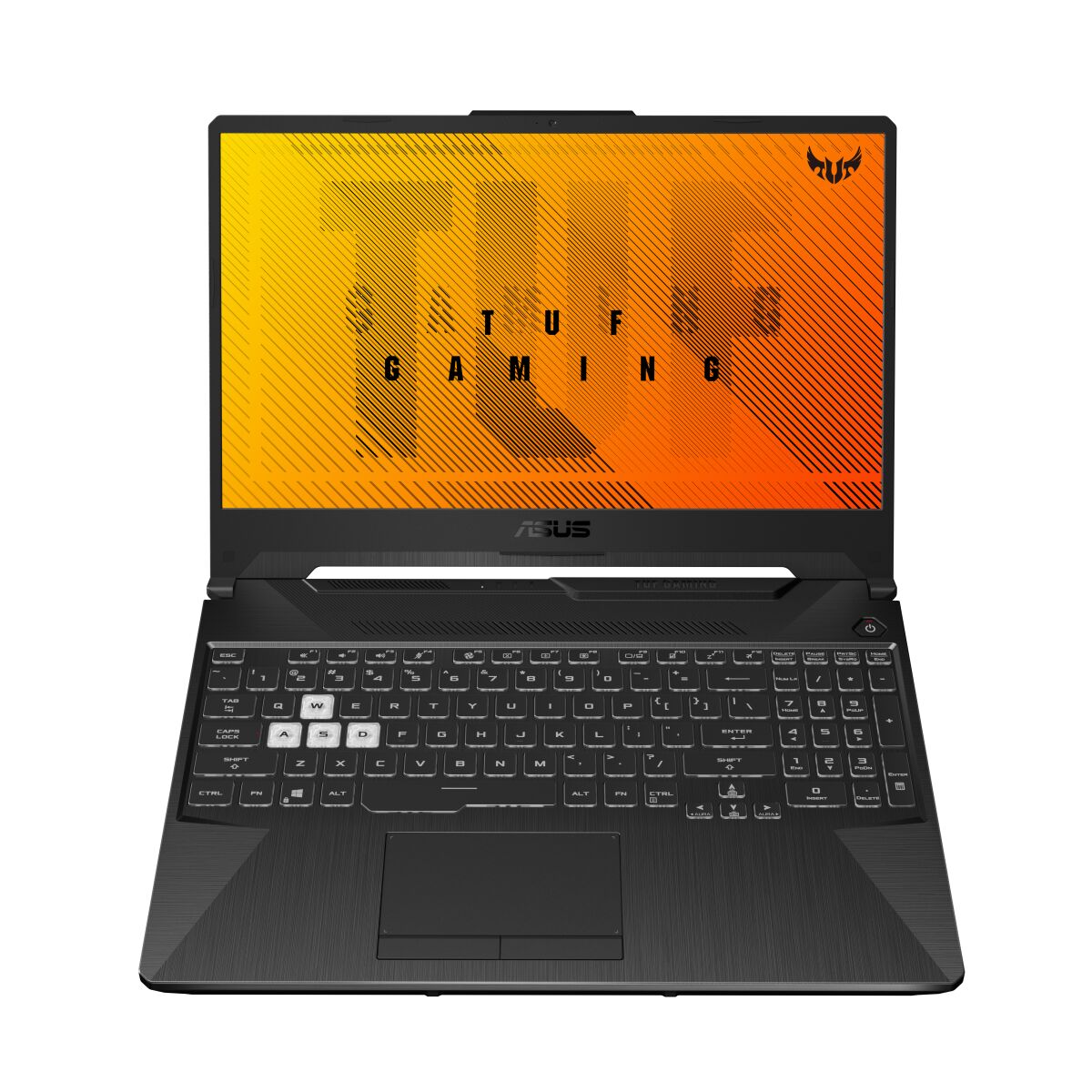
ASUS TUF Gaming A15 FA506II-HN138T laptop supports DDR4-SDRAM memory upgrades through two SO-DIMM slots. The specifications allow maximum RAM capacity of 32 GB total, with compatible modules operating at 3200 MHz frequency. Memory upgrade options are available for this gaming laptop model to enhance overall system performance and multitasking capabilities. SO-DIMM form factor modules are required for compatible installation in the designated slots.
Memory Upgrade Specifications
| Specification | Value |
|---|---|
| Memory slots | 2x SO-DIMM |
| Form factor | SO-DIMM |
| Memory type | DDR4-SDRAM |
| Frequency | 3200 MHz |
| Maximum RAM | 32 GB |
| Voltage | 1.2V |
| Number of pins | 260-pin |
| Interface | PC4 |
| PC Speed Rating | PC4-3200 (PC4-25600) |
| Bandwidth | 25.6 GB/s |
| Laptop Release date | 13 March 2020 |
Additional Notes
- The ASUS TUF Gaming FA506II-HN138T contains 2 memory slots operating in dual-channel configuration, which means each additional SO-DIMM module installed will function in parallel with existing memory, improving bandwidth efficiency for multithreaded workloads compared to single-channel operation.
- Upgrading to the 32 GB maximum capacity requires installing 2x16 GB SO-DIMM modules at 3200 MHz specification; mixing module densities (for example, 1x8 GB plus 1x16 GB) will force the entire memory subsystem to operate at the slower module's frequency, creating a performance bottleneck across all applications.
- DDR4-3200 memory operates at a fixed latency specification; purchasing faster DDR4 modules (such as 3600 MHz variants) will default to 3200 MHz speeds on this platform due to BIOS memory profile limitations, rendering the premium investment ineffective without manual overclocking.
- SO-DIMM modules are shorter than standard UDIMM sticks and require angled insertion followed by downward seating; incorrect installation angle may damage the retention clips on the motherboard or bend module contacts, voiding warranty coverage despite no physical impact occurring.
- The 2-slot architecture eliminates the possibility of future 64 GB configurations; maximum practical expansion terminates at 32 GB, meaning future memory demands beyond this threshold cannot be satisfied through hardware upgrades.