ASUS TUF Gaming FA506II-HN306 RAM upgrade specifications

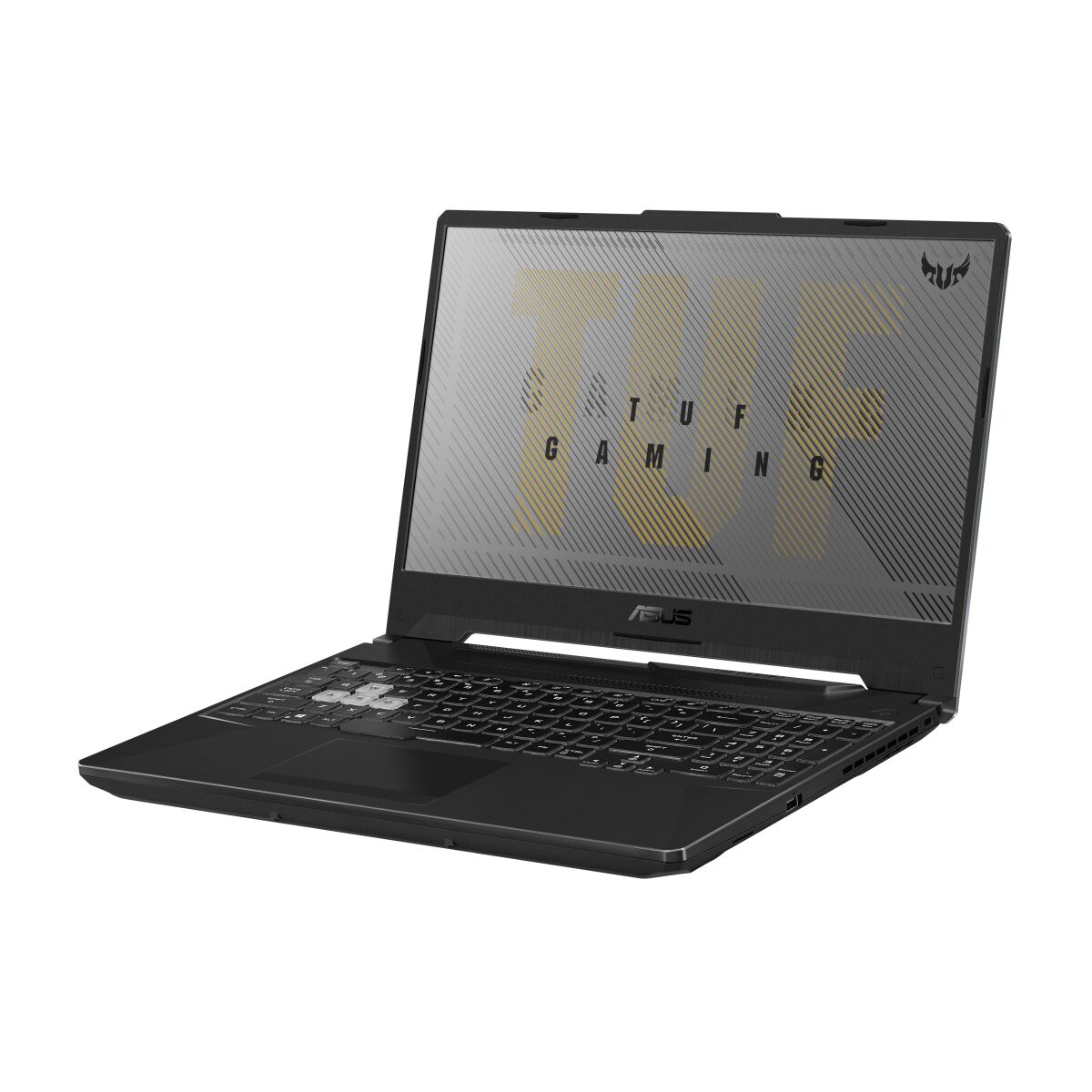
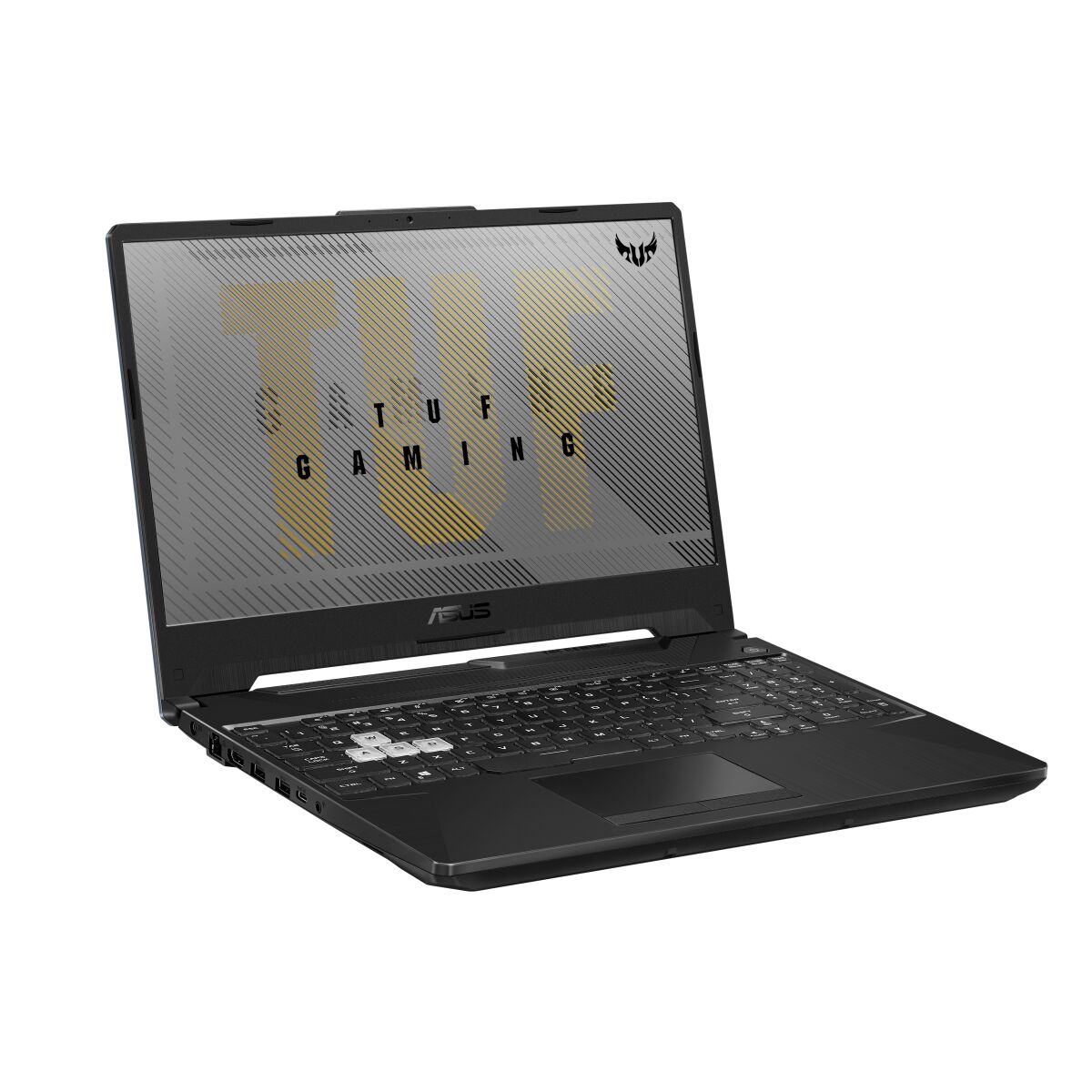


ASUS TUF Gaming A15 FA506II-HN306 laptop RAM upgrade specifications include DDR4-SDRAM memory compatible with 2x SO-DIMM slots. Maximum RAM capacity reaches 32 GB total. Memory operates at 3200 MHz frequency. Upgrade options support DDR4-SDRAM modules in SO-DIMM form factor. Specifications enable memory expansion up to the maximum 32 GB capacity through compatible DDR4 upgrades installed in available SO-DIMM slots.
Memory Upgrade Specifications
| Specification | Value |
|---|---|
| Memory slots | 2x SO-DIMM |
| Form factor | SO-DIMM |
| Memory type | DDR4-SDRAM |
| Frequency | 3200 MHz |
| Maximum RAM | 32 GB |
| Voltage | 1.2V |
| Number of pins | 260-pin |
| Interface | PC4 |
| PC Speed Rating | PC4-3200 (PC4-25600) |
| Bandwidth | 25.6 GB/s |
| Laptop Release date | 04 February 2021 |
Additional Notes
- The ASUS TUF Gaming FA506II-HN306 supports dual-channel memory operation, which doubles the effective bandwidth compared to single-module configurations when both slots are populated with matching modules.
- The 32 GB maximum capacity constraint originates from chipset limitations rather than physical slot restrictions, meaning module density beyond 16 GB per slot will not be recognized by the system.
- DDR4-3200 represents the maximum officially supported speed, though the memory controller may downclock modules to 2933 MHz or 2666 MHz if thermal throttling occurs or if mismatched frequencies are installed across both slots.
- SO-DIMM installation requires bottom panel removal rather than a dedicated access door, which involves disconnecting the battery to maintain warranty coverage and prevent electrical damage during module handling.
- Mixing modules with different CAS latencies will force both modules to operate at the slower timing specification, creating potential performance degradation in memory-intensive applications despite matching frequency ratings.
- Non-ECC unbuffered modules are required, as registered or ECC memory types will either fail POST or operate with error correction disabled, providing no functional advantage over standard variants.
- Single-rank versus dual-rank module architecture affects performance differently depending on whether one or both slots are populated, with dual-rank modules in single-channel mode sometimes matching dual-rank paired performance.
- JEDEC standard voltage of 1.2V is mandatory, as the mobile platform lacks voltage adjustment options available in desktop BIOS implementations, preventing use of XMP-rated modules requiring 1.35V.
- Memory module height exceeding 30mm may create physical interference with the cooling assembly or chassis components given the compact internal layout typical of gaming laptops in this class.