ASUS TUF Gaming FA506IU-AL006 RAM upgrade specifications




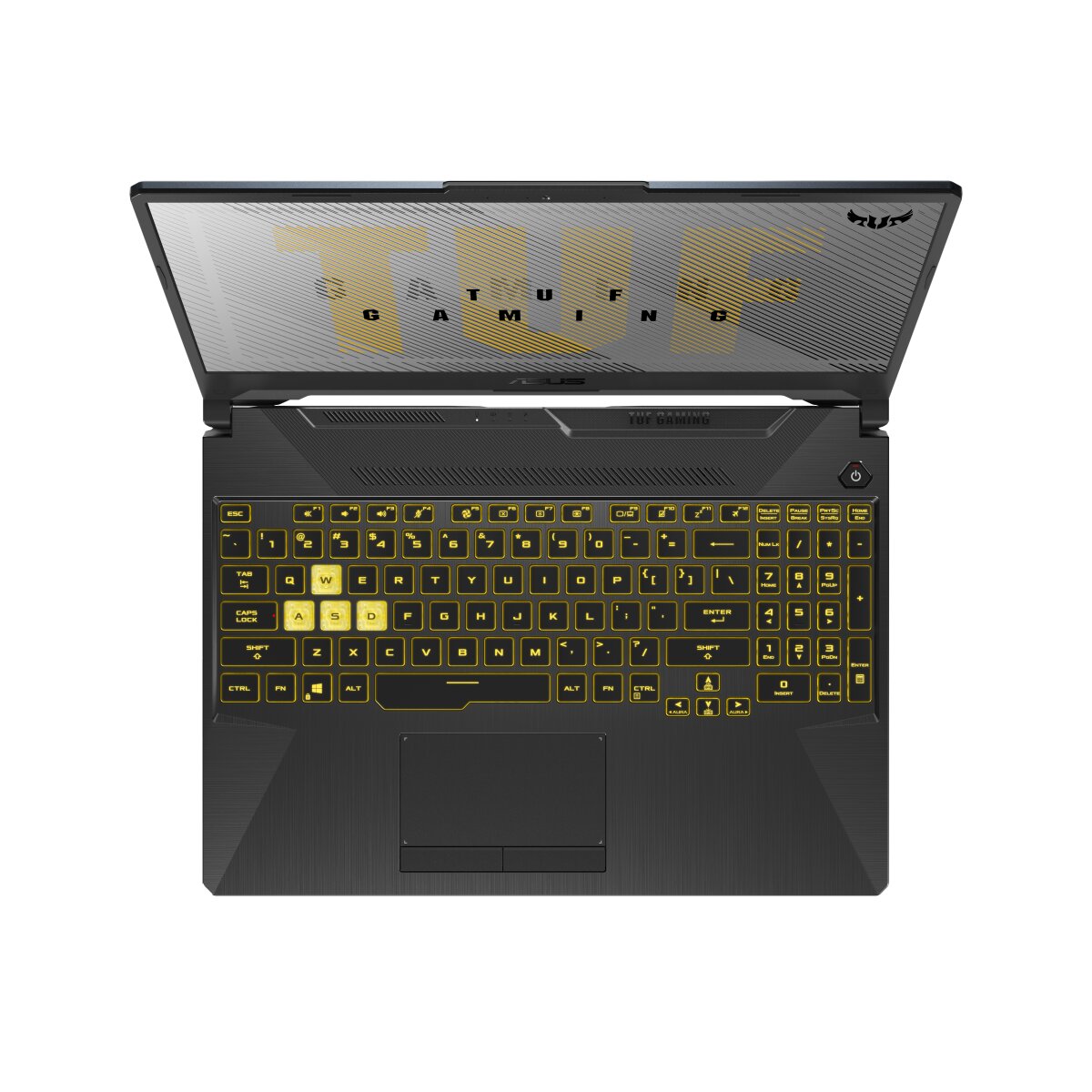
ASUS TUF Gaming A15 FA506IU-AL006 laptop features DDR4-SDRAM memory upgrade specifications with 2x SO-DIMM slots supporting maximum capacity of 32 GB RAM. Compatible memory modules operate at 3200 MHz frequency using SO-DIMM form factor. Upgrade specifications enable dual-channel memory configuration for enhanced system performance on gaming and professional computing tasks.
Memory Upgrade Specifications
| Specification | Value |
|---|---|
| Memory slots | 2x SO-DIMM |
| Form factor | SO-DIMM |
| Memory type | DDR4-SDRAM |
| Frequency | 3200 MHz |
| Maximum RAM | 32 GB |
| Voltage | 1.2V |
| Number of pins | 260-pin |
| Interface | PC4 |
| PC Speed Rating | PC4-3200 (PC4-25600) |
| Bandwidth | 25.6 GB/s |
| Laptop Release date | 05 July 2021 |
Additional Notes
- The ASUS TUF Gaming FA506IU-AL006 requires SO-DIMM modules specifically, which eliminates compatibility with standard desktop DIMM memory despite sharing the DDR4 specification.
- The 32 GB maximum capacity limitation stems from chipset architecture constraints rather than physical slot availability, preventing recognition of higher-density modules even if physically installed.
- Both memory slots function in dual-channel configuration when populated with matched modules, delivering bandwidth up to 51.2 GB/s theoretical throughput at the native 3200 MHz frequency.
- Single-channel operation occurs with only one slot populated, effectively halving memory bandwidth and potentially creating performance bottlenecks in graphics-intensive applications that rely on the integrated GPU memory sharing.
- The Ryzen mobile platform in this configuration benefits from higher frequency memory due to Infinity Fabric clock scaling, making 3200 MHz modules preferable over lower-speed alternatives for optimal inter-component communication.
- Installation requires accessing the bottom panel, where manufacturer seals may be present depending on region-specific warranty policies that determine user-serviceability without voiding coverage.
- Mixing modules with different speeds forces all memory to operate at the lowest common frequency, negating any performance advantage of faster modules and creating potential stability issues with mismatched timings.
- Non-ECC unbuffered modules are the compatible specification, as registered or error-correcting variants will cause POST failures despite matching the DDR4 SO-DIMM form factor.
- Voltage specification defaults to 1.2V for DDR4 standard operation, while some gaming-oriented XMP modules rated at 1.35V may not achieve advertised speeds without BIOS support for extended profiles.
- Asymmetric configurations such as 8 GB plus 16 GB modules will still enable dual-channel mode through flex memory technology, though only the matched portion operates in dual-channel while the remainder functions in single-channel.