ASUS TUF Gaming FA506NC-3050R524 RAM upgrade specifications


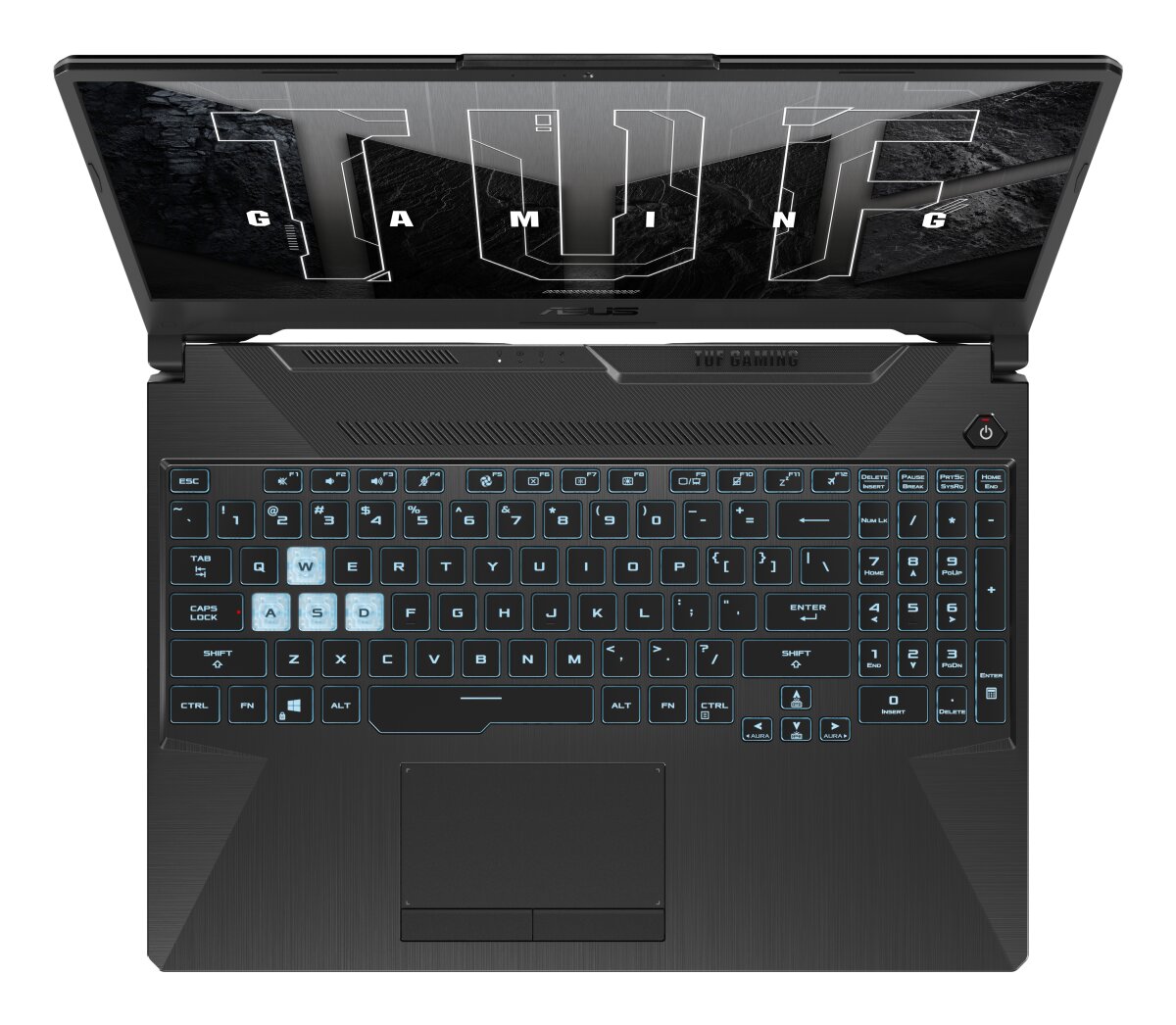


The ASUS TUF Gaming A15 FA506NC-3050R524 features DDR5-SDRAM memory configuration with two SO-DIMM slots supporting maximum capacity of 32 GB RAM. Upgrade specifications indicate compatible memory operates at 5600 MHz frequency. Current memory slots accommodate SO-DIMM form factor modules. Maximum RAM expansion reaches 32 GB total capacity across both upgrade slots. Memory specifications define compatible DDR5 architecture for performance enhancement.
Memory Upgrade Specifications
| Specification | Value |
|---|---|
| Memory slots | 2x SO-DIMM |
| Form factor | SO-DIMM |
| Memory type | DDR5-SDRAM |
| Frequency | 5600 MHz |
| Maximum RAM | 32 GB |
| Voltage | 1.1V |
| Number of pins | 262-pin |
| Interface | PC5 |
| PC Speed Rating | PC5-5600 (PC5-44800) |
| Bandwidth | 44.8 GB/s |
Additional Notes
- Dual channel architecture requires matching memory modules in both slots to optimize memory bandwidth and reduce latency during heavy gaming or rendering workloads.
- The 32 GB ceiling necessitates replacing existing factory modules rather than adding to them if the slots are already populated.
- The ASUS TUF Gaming FA506NC-3050R524 relies on DDR5 technology which utilizes an on-module Power Management Integrated Circuit resulting in higher thermal output from the RAM compared to older DDR4 designs.
- Utilizing a single SO-DIMM module instead of two creates a significant performance bottleneck by forcing the system into single channel mode.
- Installing memory with a frequency higher than 5600 MHz will result in the BIOS downclocking the modules to match the maximum supported speed of the motherboard chipset.
- The physical SO-DIMM format prevents the use of desktop-grade Long-DIMM memory due to pin configuration and voltage differences.
- Internal access for memory upgrades requires removing the entire bottom chassis plate which may expose sensitive internal components to electrostatic discharge.
- System stability depends on selecting modules that adhere to JEDEC standards to ensure boot compatibility without the need for manual XMP or EXPO profile adjustments in the BIOS.